


How to Fix Wrinkled Eyelids, Droopy Eyelids, Deep-Set Eyes, and Prematurely Aged Eyes




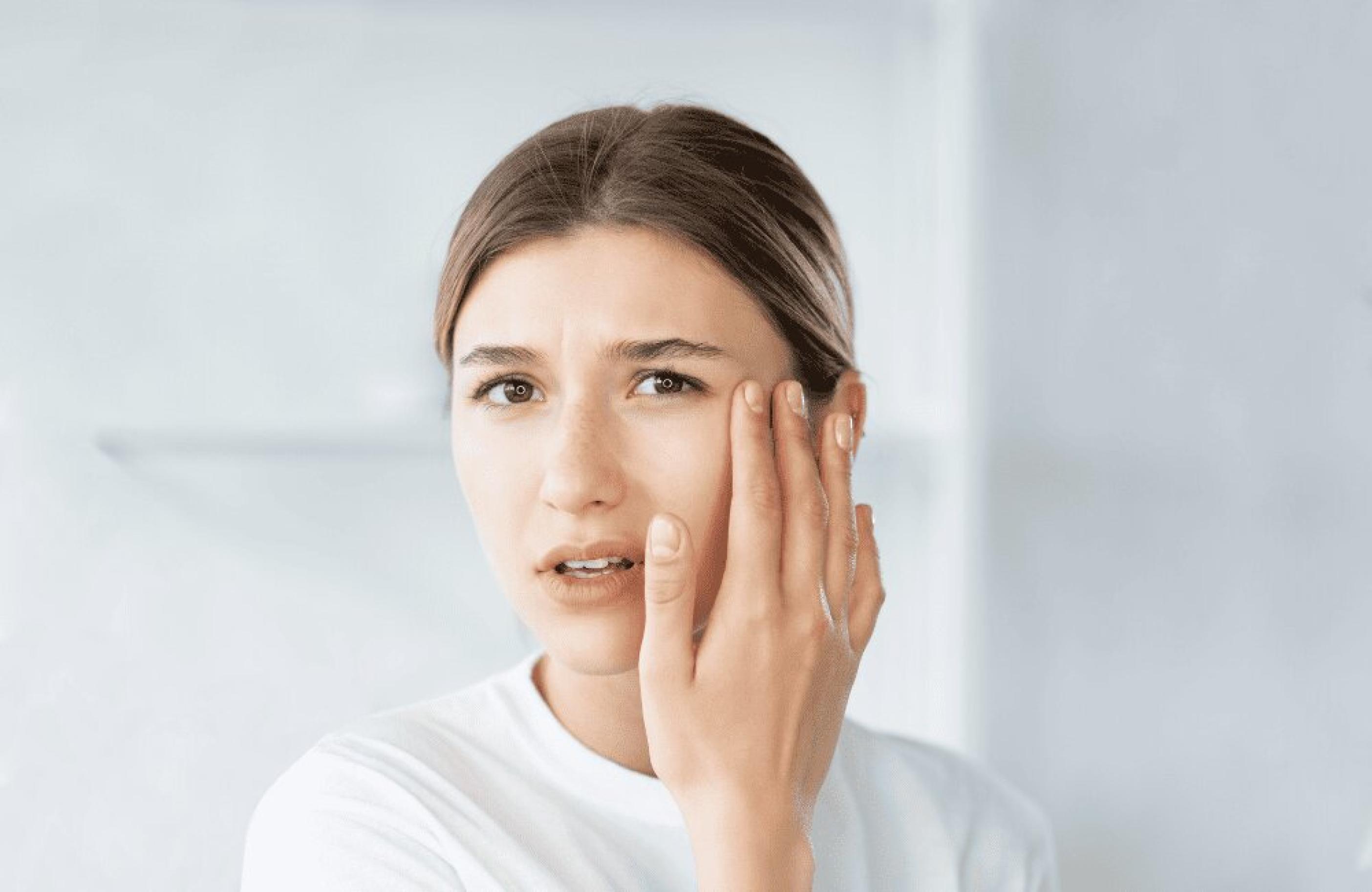
Eyes with well-balanced proportions can make the face look bright and refreshed. However, as we age, many people experience wrinkled or droopy eyelids, deep-set eyes, and wrinkles around the eyes, which can make the face look tired and older than its actual age. These concerns can affect many people's confidence. Understanding their causes and knowing how to address them can help restore a brighter, more youthful appearance to the eyes and face.
Wrinkled Eyelids
Wrinkled and sagging eyelids are a common concern. The skin around the eyelids is delicate and less elastic than skin in other areas of the face, making it more prone to wrinkles and sagging. The causes and treatment options include the following:
Causes
Wrinkled eyelids can be caused by several factors, including changes in the amount and distribution of fat beneath the skin around the eyes and changes in the muscles around the eyes. In addition, lifestyle factors such as staying up late, frequently rubbing the eyes, smoking, and excessive sun exposure without protection can contribute to the development of eyelid wrinkles.
Treatment Options
There are several ways to address wrinkled eyelids, starting with improving your daily eye-area skincare routine. Use products containing ingredients such as vitamin C, vitamin E, and peptides, which may help support skin health and collagen production. In addition, gently massaging the area around the eyes for 2–3 minutes a day, getting enough sleep, and wearing sunglasses to protect against UV rays may help reduce the appearance of eyelid wrinkles and support healthier-looking skin around the eyes.
Droopy Eyelids
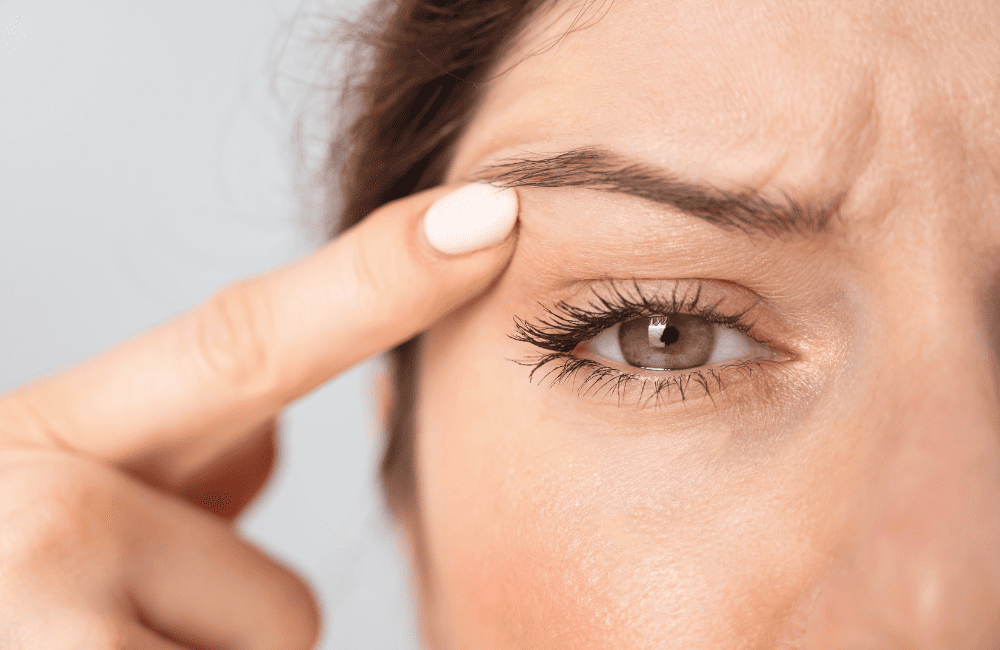
Droopy eyelids are a common concern, particularly among older adults, and can affect both appearance and vision. This condition occurs when the upper eyelid sags and covers more of the eye than usual, making the eyes appear smaller and potentially interfering with vision. The causes and treatment options include the following:
Causes
Droopy eyelids are mainly caused by weakness or dysfunction of the upper eyelid levator muscle and skin laxity around the eyes related to aging. They may also result from certain neurological conditions, injury, or congenital factors. Some people may experience heavy eyelids, difficulty seeing, or the need to tilt their head upward or raise their eyebrows to see more clearly. In some cases, they may even need to use their fingers to lift the eyelid to improve their vision. These symptoms can affect quality of life and self-confidence.
Treatment Options
There are several ways to address droopy eyelids, depending on the severity and underlying cause of the condition. For mild concerns related to eye fatigue or the appearance of tired-looking eyes, eye exercises such as slow blinking or alternating between focusing on nearby and distant objects may help maintain eye muscle function. In addition, skincare products containing firming ingredients such as peptides or retinol may help improve the appearance and firmness of the skin to some extent. For more severe cases, corrective eyelid surgery (Blepharoplasty) or a Subbrow Lift, which involves a hidden incision beneath the eyebrow, may be more appropriate treatment options.
Deep-Set Eyes
Deep-set eyes can make the eyes appear more deeply set and create more noticeable shadows under the eyes, causing the face to look tired and older than it actually is. This concern can occur in both younger and middle-aged adults, although its appearance may become more noticeable with certain lifestyle factors. The causes and treatment options include the following:
Causes
The loss or redistribution of fat beneath the skin around the eyes may result in deeper hollows and more noticeable shadows. Genetics, insufficient sleep, stress, inadequate water intake, and consuming foods high in salt may also contribute to more noticeable under-eye darkness. Some people may also have thinner under-eye skin or visible blood vessels beneath the skin, creating a dark or bluish appearance.
Treatment Options
For concerns associated with deep-set eyes, lifestyle changes may help improve the overall appearance of the eye area, such as getting enough sleep, drinking sufficient water, eating a balanced diet, and reducing stress. In addition, eye creams containing ingredients such as caffeine, vitamin K, and peptides may help the skin around the eyes appear brighter or reduce some puffiness. Gently massaging the eye area with a jade or stainless-steel roller may also help the skin around the eyes look more refreshed and reduce some puffiness. For some individuals, injectable fillers or fat grafting may be considered in selected cases to restore volume to hollow areas around the eyes.
Summary

Wrinkled eyelids, droopy eyelids, deep-set eyes, and prematurely aged-looking eyes can occur due to aging, genetics, and other individual factors. However, their appearance may be improved through proper self-care, including adjusting daily habits, choosing suitable skincare products, and getting enough rest. For more significant concerns, you can consult the experienced ophthalmologists at Sky Clinic, who specialize in Double Eyelid Surgery, Epicanthoplasty (inner corner eye opening), Ptosis Correction (weak eyelid muscle adjustment), Subbrow Lift, Under-Eye Fat Repositioning, Under-Eye Bag Removal Surgery, and Endoscopic Brow Lift to determine the treatment approach that best suits your individual needs.
Source : -