


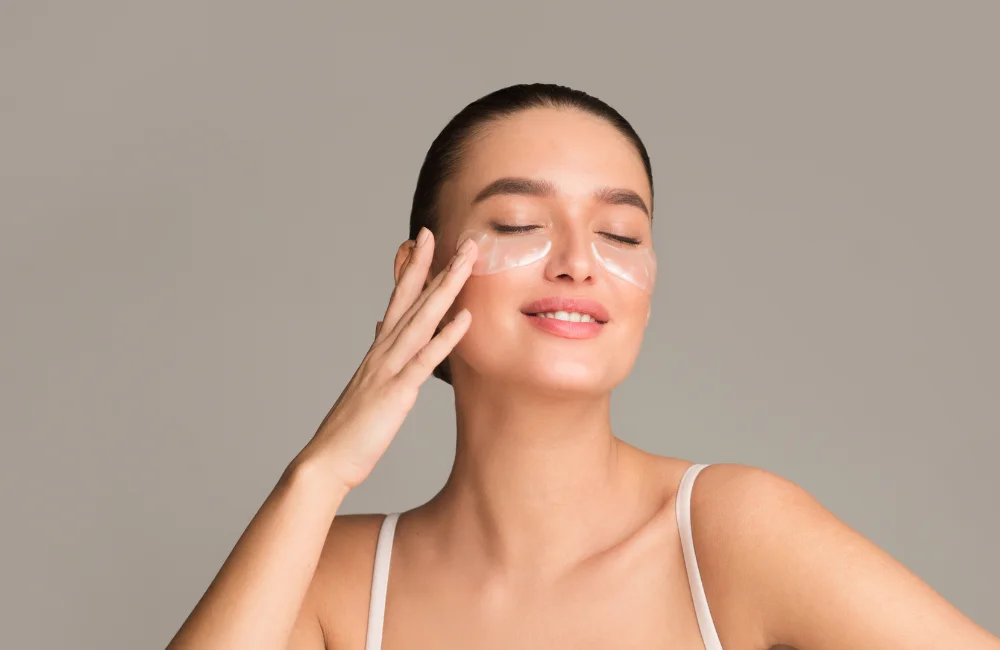
How many minutes should an under-eye mask be used to see results? How many times should it be done? What type of under-eye mask is correct?




Under-eye masking is a highly popular skincare method because it gently helps restore and nourish the delicate skin around the eyes. However, many people still wonder how many minutes an under-eye mask should be left on to achieve visible results and which type of under-eye mask patch is most suitable for their specific skin concerns. This article will answer these questions and provide guidance on the correct way to use under-eye masks.
What Are the Benefits of Under-Eye Masks?
Under-eye masking is an effective targeted skincare treatment. When used correctly, under-eye masks can help revitalize the skin around the eyes in several ways, including boosting hydration, reducing the appearance of fine lines, and alleviating puffiness. Choosing an under-eye mask that matches your skin concerns can further enhance the results.
Provides Hydration and Plumpness
Under-eye masks formulated with moisturizing ingredients can effectively replenish hydration in the delicate and often dry skin beneath the eyes. Key ingredients such as hyaluronic acid, ceramides, and aloe vera extract help lock moisture into the skin, leaving the under-eye area looking plump, smooth, and radiant rather than dry or dull. In addition, regular use of under-eye masks can help prevent moisture loss from the skin barrier, promoting stronger and healthier skin over the long term.
Reduces Fine Lines and Firms the Under-Eye Area
Under-eye masks containing antioxidants such as vitamin C, vitamin E, and coenzyme Q10 can help reduce the appearance of fine lines and wrinkles around the eyes. Additionally, ingredients that stimulate collagen and elastin production, such as peptides and retinol, can improve skin elasticity and firmness in the under-eye area. The amount of time you leave the mask on and the frequency of use each week can also influence the effectiveness of wrinkle reduction.
Reduces Puffiness
Under-eye masks formulated with de-puffing ingredients such as green tea extract, caffeine, and cucumber extract can help stimulate blood circulation and reduce fluid retention beneath the eyes. Chilled under-eye mask patches can further enhance their effectiveness in reducing puffiness. The recommended frequency of use depends on the severity of the swelling, but in general, applying an under-eye mask two to three times per week is suggested for optimal results.
How to Use an Under-Eye Mask Correctly for Faster Results
Proper under-eye masking involves several important steps, beginning with preparing the skin, selecting an under-eye mask that matches your skin concerns, and using it for the appropriate amount of time. Following the correct procedure can help you achieve better and faster results.
Cleanse Your Face Thoroughly
Thoroughly cleansing the face is one of the most important steps before applying an under-eye mask. Begin by washing your face with a gentle cleanser and patting it clean with a soft towel. If you are wearing makeup, use a makeup remover specifically designed for the delicate eye area to ensure that no residue remains that could interfere with the absorption of beneficial ingredients from the under-eye mask. After cleansing, gently pat the skin dry with a clean towel, taking care not to rub or pull the skin too harshly.
Choose the Right Under-Eye Mask Formula
Selecting an under-eye mask that matches your specific skin concerns is a key factor in achieving the best results. Choose a formula designed to address your primary concern, whether it is puffiness, fine lines, wrinkles, or dryness and dehydration.
De-Puffing Masks
Under-eye masks designed to reduce puffiness often contain ingredients such as caffeine, green tea extract, and cucumber extract. These ingredients help stimulate blood circulation and effectively reduce fluid retention under the eyes. For this type of mask, a recommended application time is approximately 15–20 minutes, preferably in the morning to help reduce puffiness that develops overnight. Chilling the mask in the refrigerator before use can further enhance its de-puffing benefits.
Anti-Wrinkle Masks
For reducing the appearance of fine lines and wrinkles, choose under-eye masks containing peptides, collagen, vitamin C, and retinol. These ingredients help stimulate collagen production and improve skin elasticity. This type of mask is generally recommended two to three times per week and is best used at night so the skin can fully recover and regenerate during sleep.
Hydrating Masks
Hydrating under-eye masks commonly contain hyaluronic acid, ceramides, and aloe vera extract, which help replenish and maintain moisture levels in the skin. These masks should typically be worn for 15–20 minutes and can be used either in the morning or before bedtime. The ideal frequency depends on your skin condition, but in general, using them three to four times per week is recommended.
Apply the Mask Securely Under the Eyes
Ensuring that the under-eye mask adheres closely to the skin is an important step for maximizing the absorption of beneficial ingredients. Start by washing your hands thoroughly. Carefully remove the mask from its backing and position it beneath the eyes, making sure the upper edge of the mask sits just below the lower lash line. Gently press the mask with your fingertips so it fits snugly against the skin. Avoid leaving air bubbles between the mask and the skin, as they can reduce the effectiveness of ingredient absorption.
Massage to Stimulate Blood Circulation
After placing the under-eye mask, gently massaging the area around the eyes can help stimulate blood circulation and improve the absorption of active ingredients. Use your ring finger, which naturally applies the least pressure, and gently massage in circular motions from the inner corner toward the outer corner of the eye. Repeat this movement 3–5 times. Be careful not to apply excessive pressure, as the delicate skin under the eyes can easily become irritated.
Leave the Mask on for the Appropriate Amount of Time
One of the most common questions is how long an under-eye mask should be left on. In general, it is recommended to leave the mask in place for approximately 15–20 minutes. Avoid exceeding the time stated on the product label, as doing so may cause skin irritation. The recommended frequency of use depends on your skin type and the type of under-eye mask being used. Typically, applying an under-eye mask two to three times per week, or according to the product instructions, is recommended.
Natural Under-Eye Mask Recipes
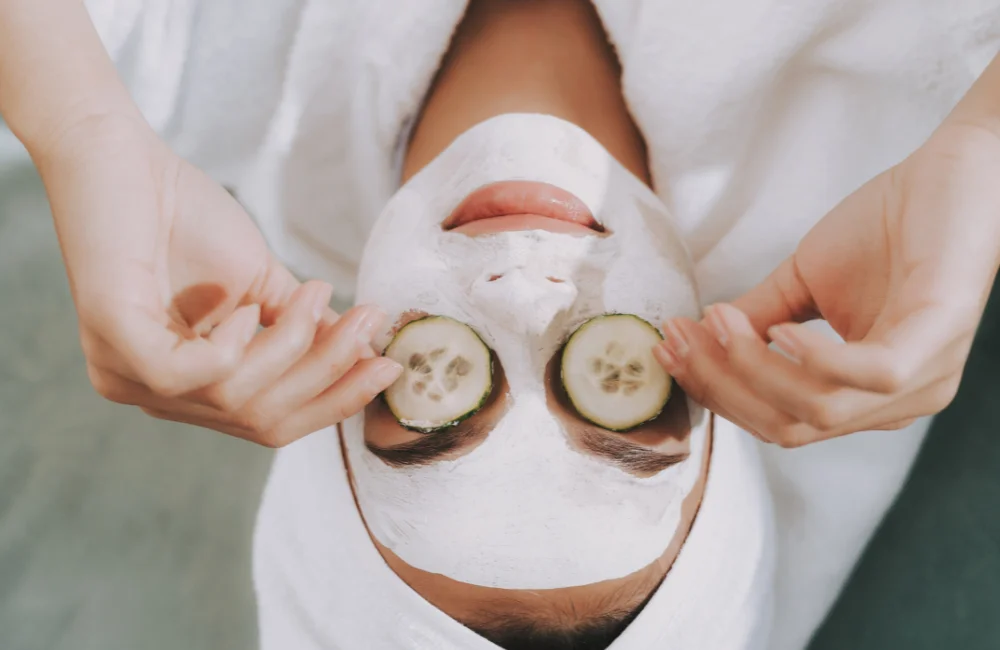
In addition to ready-made under-eye mask patches, homemade masks made from natural ingredients can be a cost-effective and safe alternative. You can choose ingredients based on your specific skincare concerns, whether your goal is to reduce puffiness, increase hydration, or minimize the appearance of fine lines and wrinkles.
Cucumber and Yogurt Mask
Cucumber is known for its cooling and de-puffing properties, while yogurt contains lactic acid that gently exfoliates the skin. To prepare this mask, blend fresh cucumber until smooth and mix it with unsweetened yogurt in a 1:1 ratio. Stir well and refrigerate the mixture for about 10 minutes. Then, soak cotton pads in the mixture and place them under the eyes. Leave them on for 15–20 minutes before rinsing with clean water.
Green Tea and Honey Mask
Green tea is rich in antioxidants and caffeine, which help stimulate blood circulation, while honey provides excellent moisturizing and anti-inflammatory benefits. To prepare this mask, mix green tea powder with natural honey in a 1:2 ratio and stir until a smooth, creamy consistency is achieved. Apply the mixture to the under-eye area and leave it on for 15–20 minutes before rinsing with warm water.
Aloe Vera Mask
Aloe vera is highly effective at providing hydration and reducing inflammation. To make this mask, extract the gel from a fresh aloe vera leaf and blend it until smooth, or use pure aloe vera gel. Refrigerate the gel for about 15 minutes, then soak cotton pads in it and place them under the eyes. Leave them on for 15–20 minutes before rinsing with clean water. This gentle formula can be used daily as it is generally suitable for sensitive skin.
Almond and Coconut Oil Mask
Almonds are rich in vitamin E and omega-3 fatty acids, while coconut oil is known for its nourishing and anti-inflammatory properties. To prepare this mask, finely grind almonds and mix them with pure coconut oil in a 2:1 ratio. Stir until well combined, then gently apply the mixture to the under-eye area. Massage in circular motions for approximately 1–2 minutes, leave it on for 15–20 minutes, and rinse off with warm water.
Mung Bean and Fresh Milk Mask
Mung beans help exfoliate dead skin cells and provide moisture, while fresh milk contains lactic acid that gently nourishes and softens the skin. To make this mask, mix finely ground mung beans with fresh milk in a 1:1 ratio until a creamy paste forms. Apply the mixture to the under-eye area, leave it on for 15–20 minutes, and then rinse thoroughly with clean water.
How to Make the Under-Eye Area Look Firmer, Plumper, and More Refreshed
In addition to using under-eye masks, there are several advanced medical aesthetic treatments available to help make the under-eye area appear firmer, plumper, and more refreshed. These treatments often provide faster and longer-lasting results than under-eye masks alone. Each option offers unique benefits and is suitable for different skin concerns.
Dermal Fillers
Dermal filler injections are a fast and highly effective solution for treating hollow under-eye areas. During the procedure, a qualified physician injects highly purified hyaluronic acid into the under-eye region to restore lost volume and improve skin fullness. Results typically last between 6 and 12 months, depending on the type of filler used and individual response. For safety and optimal outcomes, filler injections should always be performed by an experienced medical professional.
Skin Tightening Technologies
Skin-tightening treatments around the eyes, such as ultrasound, radiofrequency (RF), and laser technologies, can stimulate collagen and elastin production within the skin. This helps improve firmness, reduce the appearance of fine lines and wrinkles, and create a more youthful appearance. These treatments generally require little to no downtime, allowing patients to resume normal activities immediately. However, multiple sessions may be necessary to achieve optimal results.
Under-Eye Bag Surgery
Under-eye bag surgery offers the most permanent solution for treating prominent under-eye bags caused by excess fat deposits or loose skin. During the procedure, the surgeon removes excess fat, trims redundant skin, and repositions or tightens underlying tissues to create a smoother and firmer under-eye contour. The surgery typically takes about 1–2 hours, with a recovery period of approximately 1–2 weeks.
Article Summary
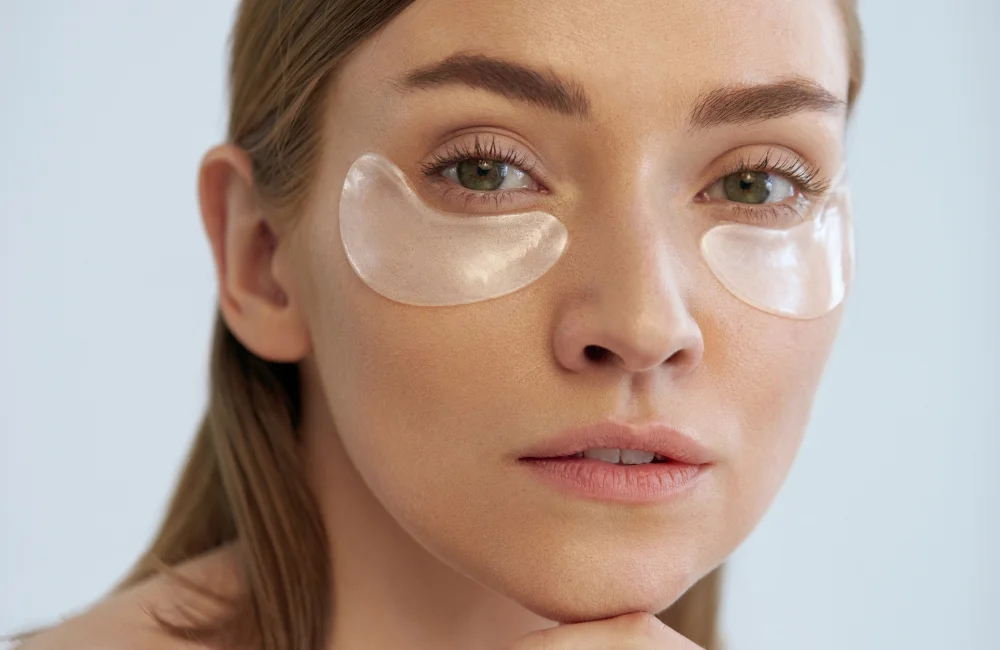
Under-eye masking is a simple, safe, and effective way to care for the delicate skin around the eyes, whether you choose ready-made under-eye patches or natural DIY recipes. For optimal results, under-eye masks should generally be used for 15–20 minutes per session, two to three times per week. Those looking for more advanced solutions to reduce puffiness and rejuvenate the under-eye area may also consider consulting a trusted eye clinic. At Sky Clinic, experienced ophthalmic specialists provide personalized treatment options, including double eyelid surgery, epicanthoplasty, ptosis correction, hidden-brow incision techniques, and under-eye fat removal procedures, helping patients achieve results that best suit their individual concerns.
Source : -