


How to Treat Chronic Blepharitis and Prevent It from Recurring




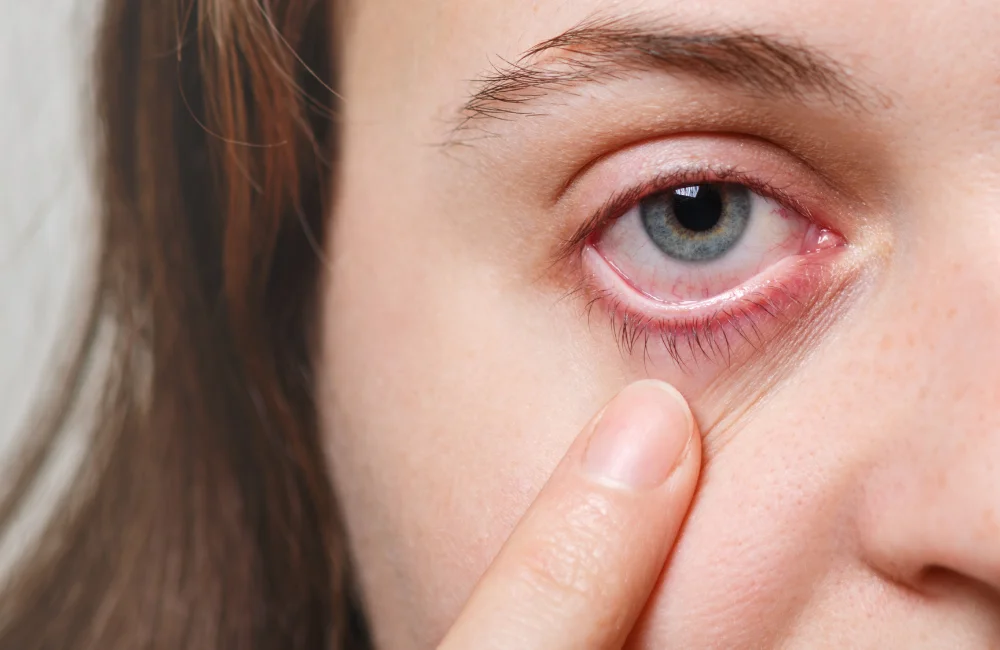
If you have experienced itchy, burning, or excessive discharge in your eyes, these could be signs of blepharitis (inflammation of the eyelids) that are bothering your eyes. This condition not only causes discomfort, but if left untreated, it can develop into chronic blepharitis, impacting daily life and potentially leading to other complications. Let's understand the causes and treatments for a speedy recovery.
What Is Blepharitis?
Blepharitis is an inflammation of the eyelid margins, an area with numerous sebaceous glands and eyelashes. Common symptoms include redness, itching, burning, excessive discharge, a feeling of a foreign object in the eye, redness of the eyelid edges, or scaling around the eyelid margins and at the base of the eyelashes. Some individuals may experience eyelid swelling (resembling dolly eyes), easy eyelash loss, or infection of the tear sac. This condition can occur in both children and adults and is often chronic, recurring if not treated properly. Individuals with this problem should consult an ophthalmology clinic specializing in eye diseases.
Types of Blepharitis
Blepharitis can be divided into two main types based on the location of the symptoms, each with different causes and treatments. Accurate diagnosis ensures effective treatment and reduces the chance of recurrence. Additionally, some people may experience both types of blepharitis (mixed blepharitis), requiring comprehensive care.
Anterior Blepharitis
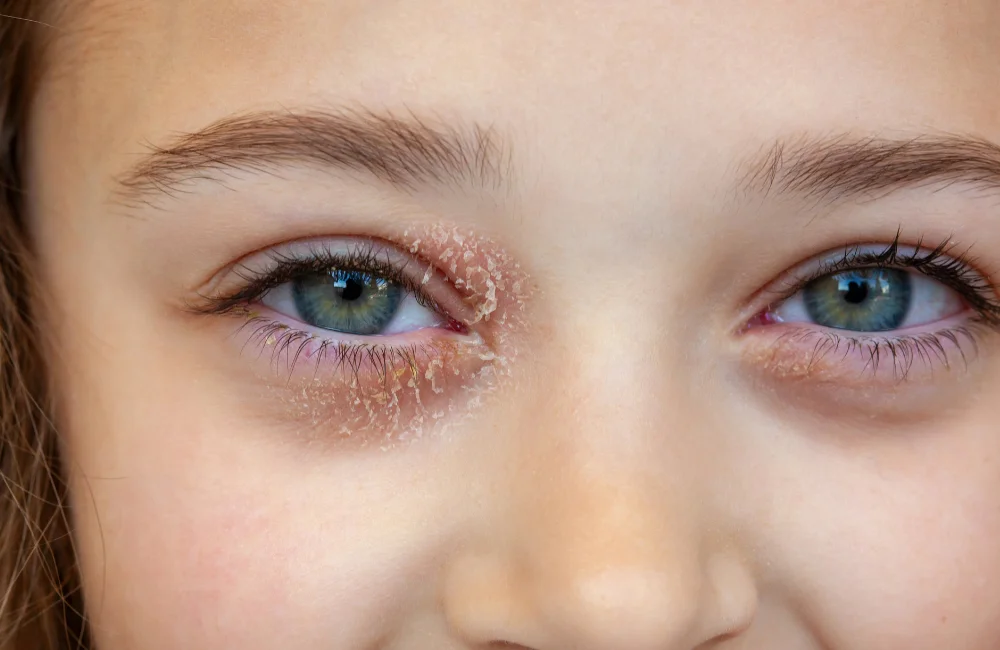
This condition occurs on the outer edge of the eyelid where the eyelashes grow. It is often caused by bacterial infection at the base of the eyelashes, particularly by Staphylococcus, or by seborrheic dermatitis, a skin inflammation found on the scalp and face. Common symptoms include white or yellow scales at the base of the eyelashes, redness, itching, and excessive morning discharge. Some individuals may experience easy eyelash loss or abnormal eyelash growth. This problem can also affect those considering double eyelid surgery. Regular and proper eye hygiene is crucial in managing this condition.
Posterior Blepharitis
Posterior blepharitis occurs at the inner edge of the eyelid where it touches the eyeball. It is often caused by abnormalities in the meibomian glands, which produce oil to lubricate the eyelid surface. When these glands become blocked or malfunction, it causes inflammation and irritation of the eyelid and eye surface. Symptoms include dry eyes, irritation, burning, a heavy feeling in the eyelid, and redness. Some individuals may feel a foreign object in their eye or experience excessive tearing when the eyes are exposed to wind. This condition is often associated with rosacea or dandruff, and sometimes eye surgery may be necessary to reduce chronic symptoms.
What Causes Blepharitis?
This can be caused by several factors, including bacterial infections around the eyelids, particularly Staphylococcus bacteria that normally live on the skin, or by eyelash mites (Demodex), tiny parasites that live at the base of the eyelashes. Additionally, it can be caused by abnormalities in the sebaceous glands that open around the eyelids, resulting in excessively viscous oil production that clogs the glands. Certain skin diseases such as seborrheic dermatitis or rosacea, as well as allergies to certain ingredients in cosmetics, contact lens solutions, or improper contact lens use, can also contribute.
How Many Days Does It Take for Eyelid Inflammation to Heal?
For those wondering how long it takes to heal blepharitis, it depends on the severity and type of the inflammation, as well as each individual's response to treatment. Generally, acute symptoms may improve within 1-2 weeks with proper treatment and regular eye cleaning. However, in cases of chronic blepharitis, treatment may take longer than a month, and ongoing care may be required to prevent recurrence. It is crucial to complete all prescribed treatments as directed by your doctor, even if symptoms improve, to prevent recurrence.
Potential Complications
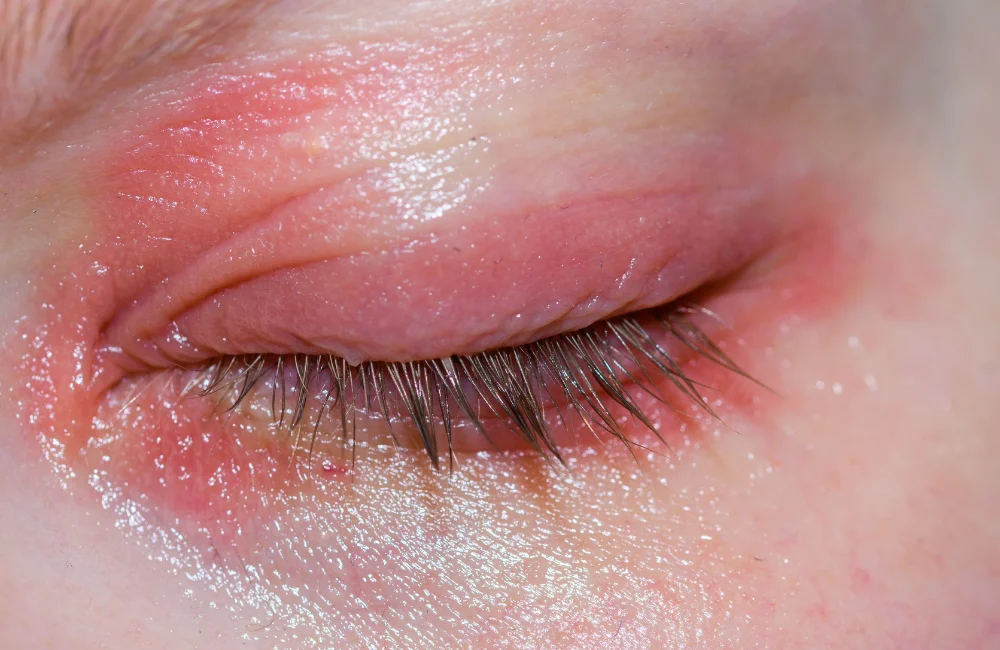
If left untreated, chronic dry eye can lead to complications affecting vision and quality of life, such as chronic dry eye. This is because insufficient oil production by the meibomian glands causes tears to evaporate faster than normal, resulting in redness, irritation, and burning. Furthermore, it can lead to corneal infections (keratitis) or conjunctivitis, directly impacting vision. Some individuals may experience abnormal blood vessel growth on the cornea or corneal ulcers. In severe cases, it can lead to spreading infections resulting in eyelid abscesses (stye) or cysts under the eyes (chalazion), requiring medical treatment.
What Are the Treatments for Blepharitis?
Treatment for blepharitis depends on the type and severity of the condition. The main principles involve regularly cleaning the eyelids and eyelashes, along with the use of topical medications and other appropriate treatments. For cleaning the eyes, you can use a mild baby shampoo mixed with warm water or a specialized eye cleanser. Soak a cotton pad in the solution and gently wipe the eyelid margins and base of the eyelashes 1-2 times a day. Additionally, warm compresses can help dissolve clogged meibomian glands.
Steroids
Steroid eye drops or ointments are an option for severe inflammation, helping to reduce inflammation and provide rapid relief. However, they should be used strictly under the supervision of an ophthalmologist because long-term use can have side effects, such as increased intraocular pressure, cataracts, or an increased risk of infection. Doctors usually prescribe these medications for short periods to control acute inflammation and may use them in combination with antibiotics to prevent and treat bacterial infections. Steroids come in various strengths, and the doctor will choose the appropriate strength based on the severity of the condition in each individual.
Antibiotics
Antibiotics are the primary treatment for blepharitis caused by bacterial infection. They can be administered as eye drops, ointments, or orally, depending on the severity of the condition. Antibiotic ointments typically contain erythromycin or tetracycline, which help eliminate bacteria and reduce inflammation. For chronic blepharitis caused by eyelash mites, your doctor may consider prescribing metronidazole, an antiparasitic antibiotic. Antibiotic treatment should be continued as prescribed by your doctor, even if symptoms improve, to prevent recurrence.
Artificial Tears
Artificial tears are another treatment method that helps relieve dry eye symptoms, which are often associated with blepharitis, especially in cases of posterior blepharitis where the meibomian glands are blocked. Artificial tears help moisturize the conjunctiva, reduce irritation, and wash away irritants or allergens that may remain on the conjunctiva. It is important to choose preservative-free artificial tears, especially if used more than four times a day, to minimize irritation from preservatives. Some formulas contain oils to help replace insufficient oil from the meibomian glands.
Summary
Blepharitis is a common condition that can become chronic if not treated properly. Accurate diagnosis and selection of the right treatment method can help improve symptoms and prevent recurrence. Regular eye cleaning and strictly following the doctor's instructions are crucial. For those interested in other eyelid solutions, consult the expert ophthalmologists at Sky Clinic, who specialize in single eyelid to Double Eyelid Surgery, Epicanthoplasty (inner corner eye opening), Ptosis Correction (weak eyelid muscle adjustment), Subbrow Lift, and Under-Eye Bags Removal Surgery, to receive treatment tailored to your specific needs.
Source : -