


Clear up doubts: Can COVID-19 be transmitted through the eyes?




Understanding the Basics of COVID-19
The outbreak of COVID-19 was first reported on December 31, 2019, in Wuhan, China, where it caused cases of pneumonia.
Early genetic studies suggested that the virus originated from animals before adapting to infect humans. Initially, transmission occurred from animals to humans, but the virus later mutated and became capable of spreading from person to person.
One of the most concerning aspects of COVID-19 is not only the severity of the illness, but also the fact that many infected individuals may not show symptoms during the early stages. As a result, people may unknowingly spread the virus to others.
Eye Anatomy and How Infection May Spread Through the Eyes
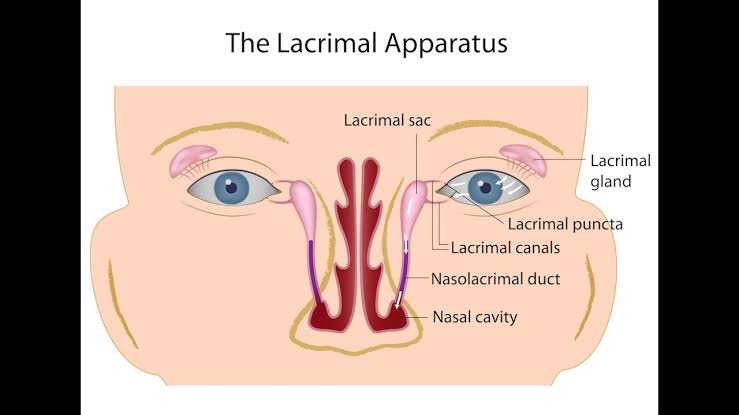
The eyes are connected to the nasal cavity through the tear drainage system. Normally, tears drain through small openings called the lacrimal puncta, then pass through the lacrimal canaliculi, into the nasolacrimal duct, and finally into the nasal cavity.
Because of this anatomical connection, infectious droplets or contaminated secretions that come into contact with the eyes may enter the conjunctiva directly or travel through the tear ducts into the nose.
This is one reason why eye protection became especially important during the early stages of the pandemic.
Why Eye Protection Matters
During the initial outbreak in China, healthcare workers warned that high-risk medical personnel should not only wear N95 masks but also use protective eye equipment such as face shields or goggles while working.
As ophthalmologists work in close proximity to patients’ eyes and faces, protecting the eyes from potential exposure is extremely important.
How to Protect Yourself
In addition to wearing a face mask, ophthalmologists strongly recommend:
- Washing hands thoroughly and frequently
- Avoiding touching the face and eyes
- Avoiding rubbing the eyes
- Maintaining proper hygiene when using eye drops or touching the eye area
- Reducing exposure to potentially contaminated surfaces
Small preventive habits can significantly reduce the risk of infection.
We Will Get Through This Together
By staying informed, protecting ourselves properly, and caring for one another, we can safely overcome this difficult time together.
Source : Dr. Sky Burapadecha