



What Foods Should You Avoid During Eye Inflammation? Causes and Self-Care Tips




When eye inflammation occurs, in addition to treating the symptoms, paying attention to diet is also important, as certain foods may worsen the condition. This article will explain what foods to avoid when you have eye inflammation, as well as its causes and proper self-care methods to help speed up recovery.
Understanding the Causes Before Checking Foods to Avoid for Eye Inflammation
Before learning what foods to avoid for eye inflammation, it is important to understand its causes first. Eye inflammation can occur in different forms, each with different causes and treatments. Understanding the cause helps you choose appropriate self-care and dietary habits.
Conjunctivitis Caused by Adenovirus Infection
Eye inflammation caused by Adenovirus is one of the most common types. The virus spreads through contact with tears or secretions from infected individuals, or by sharing personal items such as towels, handkerchiefs, or pillows. Patients typically experience red eyes, excessive tearing, yellow or white discharge, a foreign body sensation, eye irritation, and sometimes swollen lymph nodes in the neck. It usually starts in one eye and spreads to the other within 2–3 days. Symptoms generally improve within 1–2 weeks, but dietary caution is still recommended during recovery.
Bacterial Conjunctivitis
Eye inflammation caused by bacteria is usually more severe than viral infections. Symptoms include red eyes, eye pain, and thick yellow or green discharge. Some patients may also experience eye pain. Bacteria can enter the eyes through contact with dirt, touching the eyes with unclean hands, or using contaminated contact lenses. Treatment requires antibiotics, and during this condition, extra attention to diet is necessary as certain foods may worsen inflammation.
Allergic Conjunctivitis
Allergic eye inflammation occurs when the body overreacts to allergens such as dust, pollen, pet dander, or cigarette smoke. Patients often experience severe itching, watery eyes, redness, and may also have other allergy symptoms such as sneezing and a runny nose. It usually affects both eyes and may come and go depending on exposure to allergens. In addition to avoiding allergens, dietary control is also important, as certain foods may trigger or worsen inflammation.
What Should You Avoid Eating When You Have Eye Inflammation?

When eye inflammation occurs, choosing the right foods is just as important as medical treatment. Certain foods may trigger inflammation and worsen symptoms. Therefore, knowing what to avoid when you have eye inflammation can help improve treatment effectiveness.
Avoid Alcohol
The first thing to avoid is all alcoholic beverages. Alcohol causes dehydration, which can make the eyes drier and more irritated. It also dilates blood vessels, increasing blood flow to the eyes and worsening redness and inflammation. In addition, alcohol may interact with medications used to treat eye inflammation, reducing their effectiveness. It is recommended to avoid alcohol until the condition has fully healed.
Raw Foods
Raw foods are one of the items to avoid when you have eye inflammation, as they may contain bacteria or parasites that can worsen the infection or cause secondary infections. High-risk foods include raw seafood, raw meat, and raw eggs. It is recommended to consume only fully cooked and clean foods to reduce infection risk and support faster recovery.
Fermented Foods
Fermented foods are another category to avoid during eye inflammation. The fermentation process involves microbial growth, which may intensify inflammation in the body. These foods are often high in salt, which can cause fluid retention and worsen swelling. Examples include pickled vegetables, fermented fish, shrimp paste, and similar foods. Freshly cooked foods are a better choice during recovery.
Self-Care When You Have Eye Inflammation
In addition to knowing what foods to avoid, proper self-care is equally important. It helps relieve symptoms, prevent infection spread, and improve treatment outcomes. The following practices are recommended:
Avoid Touching or Rubbing the Eyes
Touching or rubbing the eyes should be strictly avoided during eye inflammation, as it can spread infection or cause secondary infection. It may also lead to corneal injury and increased irritation. If itching or discomfort occurs, gently wipe with a clean cloth or use a cold compress instead. Avoid getting liquids or foreign substances into the eyes, and refrain from using eye makeup until fully recovered.
Wash Your Hands Regularly with Soap or Alcohol Gel
Frequent handwashing with soap or alcohol gel is essential when you have eye inflammation because hands are a major source of germs. You should wash your hands thoroughly before and after applying eye drops or ointments, before eating, and after using the restroom. Wash for at least 20 seconds and dry your hands with a clean towel or tissue. Proper hand hygiene helps reduce the spread of infection and prevents reinfection.
Wear Windproof and Dust-Proof Glasses
Wearing protective glasses is an important preventive measure for people with eye inflammation. They help prevent dust, germs, and irritants from entering the eyes, especially when going outdoors or in windy environments. Choose glasses that fit properly, cover the sides well, and are easy to clean. Additionally, clean the glasses after each use with clean water and dry them properly to prevent the buildup of dirt and bacteria.
Consult a Doctor
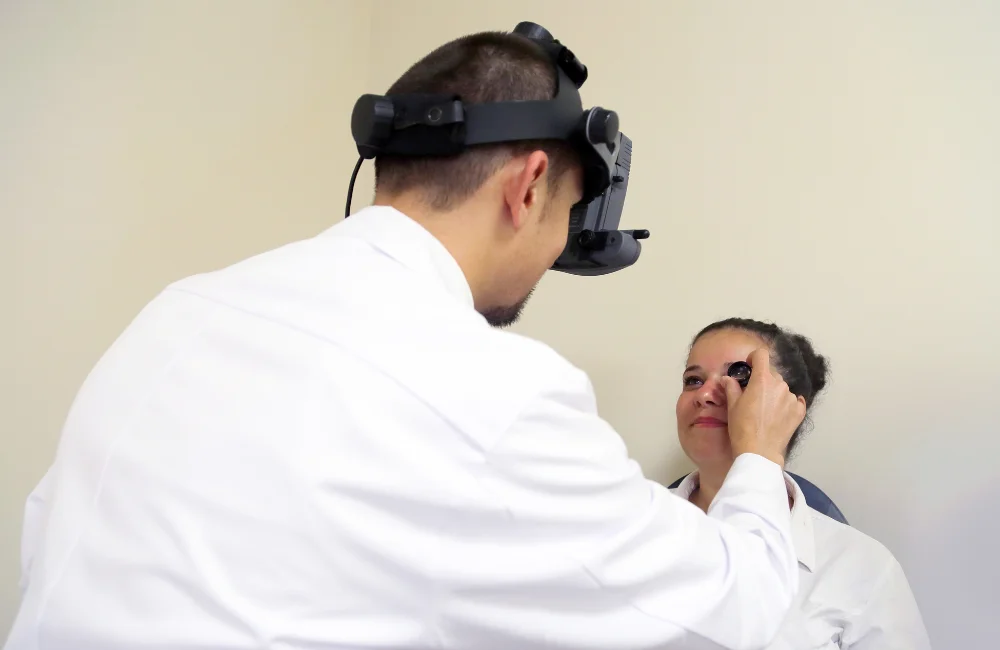
Even though you may know what foods to avoid and how to care for yourself properly, consulting a doctor is still essential. This is especially important if symptoms are severe, such as significant eye pain, worsening vision, excessive discharge, or no improvement after treatment. A doctor can diagnose the underlying cause and provide appropriate treatment, as well as guide you on proper self-care to ensure the fastest recovery.
Summary
Eye inflammation is a common condition with many possible causes. Knowing what foods to avoid and how to properly care for yourself can help speed up recovery and prevent complications. For those interested in consulting a specialist regarding eyelid-related issues that may affect eye health, you can consult ophthalmology specialists at Sky Clinic, which has expertise in Double Eyelid Surgery, Epicanthoplasty (inner corner eye opening), Ptosis Correction (weak eyelid muscle adjustment), Subbrow Lift, and Under-Eye Fat Removal Surgery to provide appropriate treatment for your condition.
Source : -