


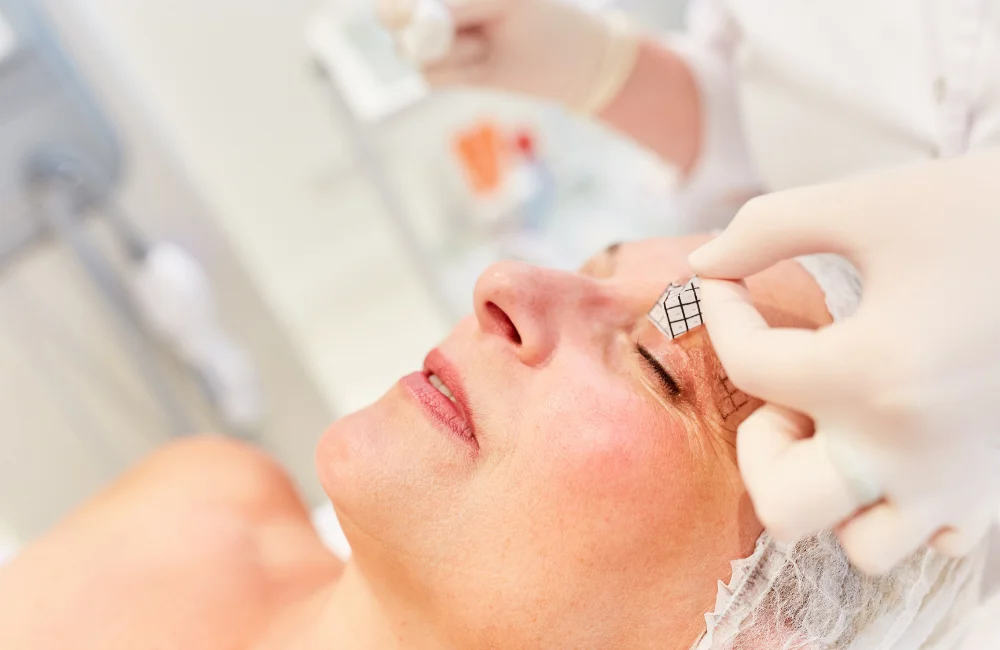
Double Eyelid Revision with Dr. Sky: Restore Balanced, Natural-Looking Eyelids




After double eyelid surgery, many people may experience unsatisfactory results and wonder when revision double eyelid surgery should be done to ensure safety and achieve the beautiful results they expect. This article will help everyone find out when the most suitable time for revision is, along with the causes that may require correction, so that this new decision will be the best choice for your eyes.
Reasons to Consider Eye Correction After Previous Double Eyelid Surgery
Problems after double eyelid surgery can occur from many factors, whether surgical technique, the doctor’s experience, or post-surgery self-care. These factors may cause the resulting eyelid crease to fall short of expectations. Understanding these causes can help you determine whether the problem requires eye correction.
Uneven Eyes
A clearly uneven eyelid crease after swelling has fully subsided may be caused by the surgical technique, imbalanced eyelid crease design, or the original eye structure on each side being different. If the difference is significant enough to be clearly noticeable, revision surgery can help adjust both eyelid crease levels to look more similar and more natural, making the overall face appear more balanced and beautiful.
Loosened Eyelid Crease
A loosened eyelid crease or a crease line that fades earlier than expected often occurs in people with thick eyelids, excess fat, or from an insufficient suturing technique. Frequent eye rubbing is also another possible cause. Correction requires an appropriate technique to recreate a new eyelid crease that is more defined and longer-lasting, helping achieve the beautiful eyelid crease you want.
Drooping Eyelids After Surgery
Sometimes after double eyelid surgery, drooping eyelid skin may cover the eyelid crease or make the eyes look more tired than before. This may result from an incorrect assessment of excess eyelid skin, or it may be a sign of hidden ptosis. Correction requires precise analysis by an ophthalmologist to determine whether excess eyelid skin should be removed or whether ptosis correction surgery is also needed.
Multiple Eyelid Creases
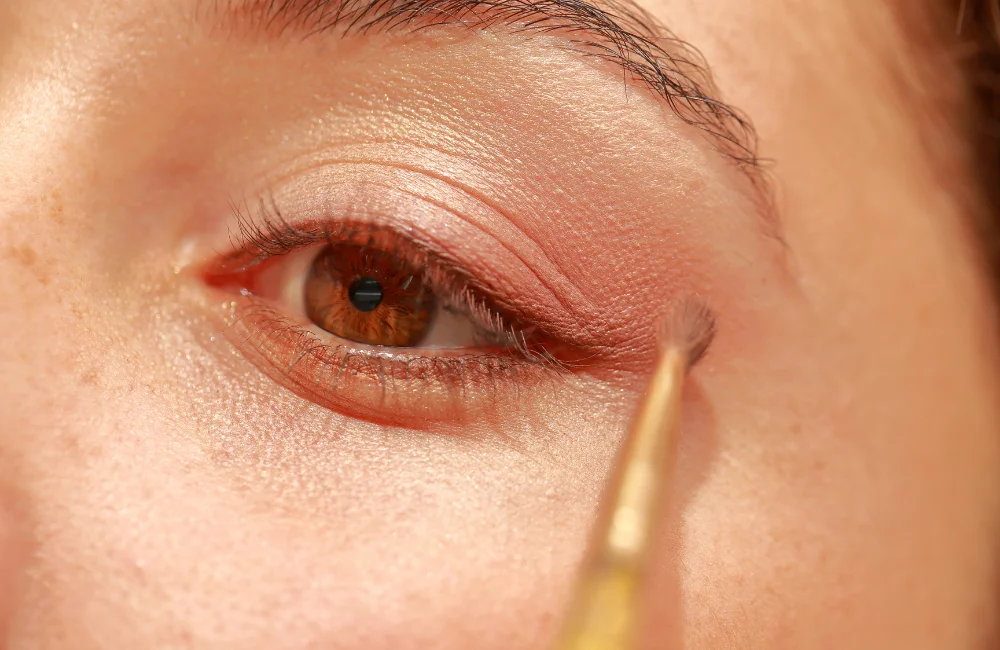
Multiple overlapping crease lines above the eyelid crease can make the eyes look tired and less refreshed. This problem is often caused by several factors.
- Scars and fibrosis: They are caused by fibrous tissue on the eyelid crease after surgery, making the skin fold unevenly. Correction involves carefully releasing the existing fibrous tissue.
- Too little eyelid fat: If the eyelids have too little fat or too much fat has been removed, it can cause deep eye sockets. Correction may involve fat grafting or a filler program.
- Ptosis: This condition prevents the eyes from opening fully and can also cause overlapping creases on the eyelids. Correction involves eyelid muscle adjustment surgery.
Eyes That Do Not Suit the Face Shape
A beautiful eyelid crease should suit the overall facial structure. Sometimes, the eyelid crease that was created may be too high or too thick, or it may be too small to show any noticeable change. Correction in this case must be designed by an ophthalmologist so that the size and curve harmonize with the face shape, eyebrows, and orbital bone structure to achieve a natural-looking result that enhances the overall face.
Fibrosis or Scarring After Surgery
Although scarring is part of the wound-healing process, if a raised scar (Hypertrophic Scar) or a pulling scar causes the eyelid crease to become misshapen, correction is necessary. This problem may be caused by the suturing technique or each person’s individual healing response. Revision surgery focuses on gently releasing old fibrous tissue and scars and carefully repairing the area with precise suturing to reduce the chance of recurring scars.
Pain or Irritation Around the Eyelid Crease
Persistent pain or irritation after the wound has healed may be a sign of an underlying problem, such as irritation caused by the suture material, suture knots placed too superficially, or an internal infection. Correction requires an ophthalmologist to identify the true cause in order to provide targeted treatment, such as removing the problematic sutures or treating the infection to ensure eye safety.
When Can Revision Double Eyelid Surgery Be Done?
In general, revision double eyelid surgery should be considered after the tissue and surgical wound from the first procedure have fully healed and settled. This usually takes at least 6-12 months, allowing the problem to be evaluated clearly and the correction plan to be made as accurately as possible. However, the appropriate timing should be assessed individually by an ophthalmologist.
Revision Eye Correction Surgery Techniques at Sky Clinic
At Sky Clinic, we prioritize detailed eye structure analysis by specialized ophthalmologists. Our eye correction techniques focus on correcting the root cause of the problem, whether it involves releasing old fibrous tissue, rearranging fat layers, correcting ptosis, or designing an eyelid crease that best suits the face shape. Safety and natural-looking results are always taken into consideration to help restore beautiful eyes that function fully and effectively once again.
Abnormal Symptoms After Double Eyelid Surgery That Require Immediate Medical Attention
Although swelling and bruising are normal after double eyelid surgery, if any warning signs occur, you should return to see the doctor immediately without waiting for the scheduled appointment. These may be symptoms of complications that require urgent care.
- Bleeding that does not stop: Fresh blood continues to seep from the surgical wound.
- Unusually severe wound pain: Pain that is unbearable even after taking pain medication.
- Swollen, red, warm wound with pus: This is a sign of infection at the surgical wound.
- Abnormal vision: If vision suddenly becomes blurry or double vision occurs.
- Unable to open the eyes or close them completely: After the first few days have passed, but you still cannot open or close your eyes normally.
Aftercare After Double Eyelid Surgery
Proper self-care after surgery is essential to help the wound heal faster, reduce the risk of complications, and help the eyelid crease settle beautifully more quickly. Strictly following the recommendations of the eye surgery clinic is therefore extremely important during the recovery period.
- Apply cold compresses: During the first 72 hours, cold compresses should be applied around the eyes to help reduce swelling.
- Sleep with your head elevated: You should keep your head higher than your body to help reduce swelling during the early period.
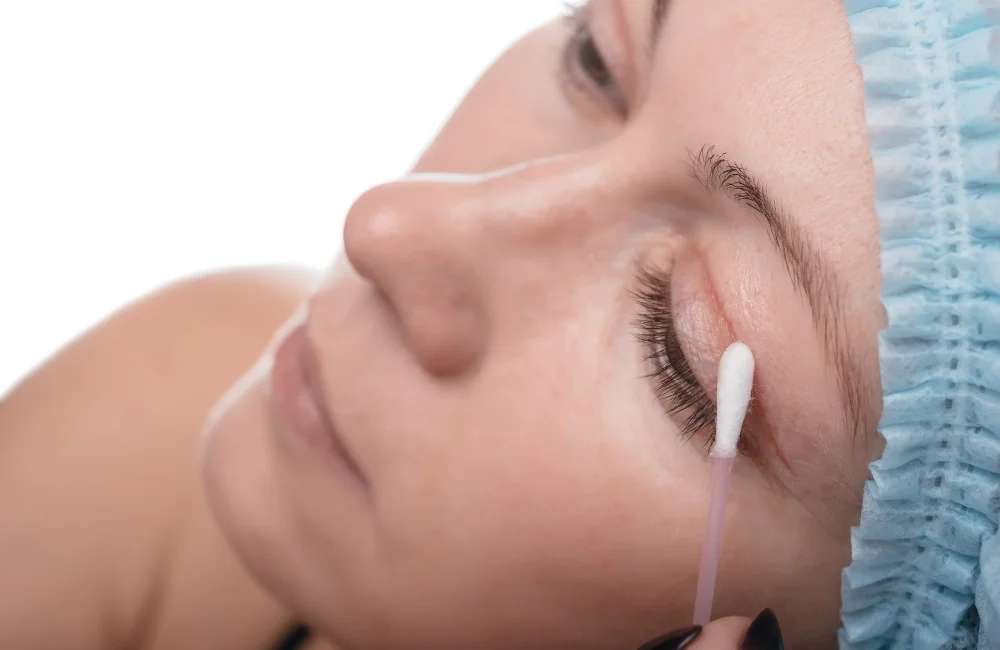
- Clean the wound: Use a cotton swab moistened with saline solution to gently clean the wound and apply medication as prescribed by the doctor.
- Avoid certain activities: Avoid bending your head down, lifting heavy objects, strenuous exercise, and rubbing your eyes.
- Take medication as prescribed: Take antibiotics strictly as prescribed by the doctor until finished.
- Attend follow-up appointments: See the doctor as scheduled to monitor the results and remove stitches.
Summary
Revision double eyelid surgery should be considered after the original surgical wound has fully healed, usually at least 6-12 months after the first procedure, so that the ophthalmologist can accurately assess the problem and plan the correction. Whether the cause is uneven eyelid creases, a loosened eyelid crease, or unsatisfactory results, choosing revision surgery with an experienced doctor can help restore confidence and provide beautiful, safe eyes once again. Those who are interested in eye correction can consult the specialized ophthalmologists at Sky Clinic, who have expertise in Double Eyelid Surgery, Epicanthoplasty (inner corner eye opening), Ptosis Correction, Subbrow Lift, and Under-Eye Fat Removal Surgery, to receive treatment that is suitable for your concerns.
Source : -