


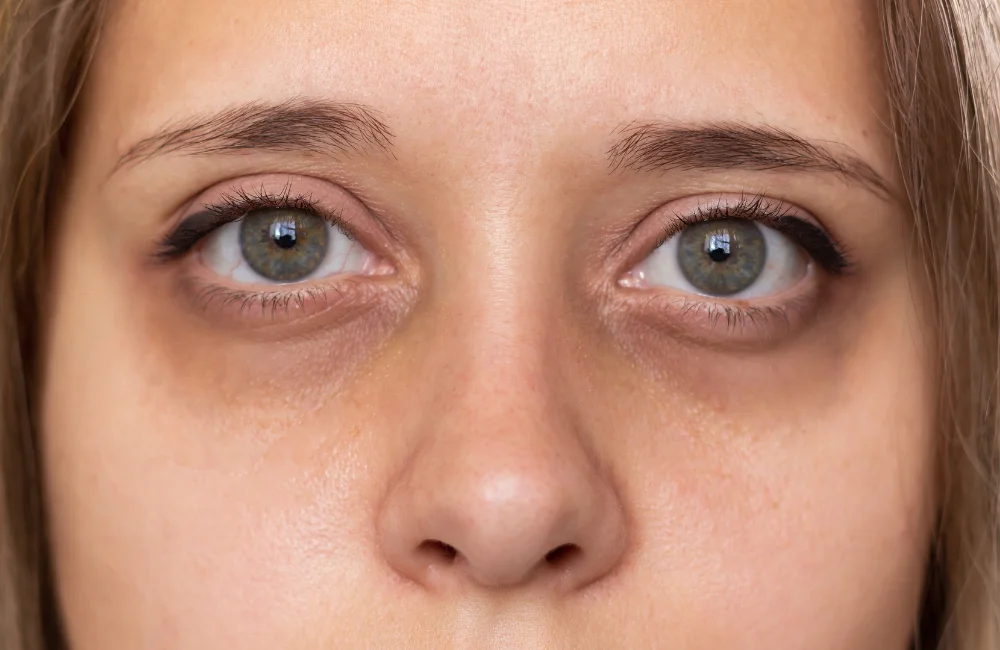
What health problems can dark circles under the eyes indicate? Check your symptoms to monitor your health early.




Under-eye bags are not merely indicators of appearance or advancing age. They can also reflect underlying health issues that many people may overlook. Puffy, swollen, bruised, or unusually prominent under-eye bags may serve as important warning signs about the body's condition. This article explores the various health conditions that under-eye bags may indicate, helping you recognize potential symptoms and take timely care of your health.
What Health Conditions Can Under-Eye Bags Indicate?
Under-eye bags are not solely a cosmetic concern. In some cases, they may signal serious underlying medical conditions. Paying attention to unusual changes in the appearance of under-eye bags is therefore important and should not be ignored. This is especially true when swelling under the eyes is associated with kidney disease, as it may be an early warning sign of a significant health problem.
Kidney Disease
Puffy under-eye bags are one of the common warning signs of kidney disease. When the kidneys do not function properly, the body is unable to effectively eliminate waste products and excess fluid, leading to fluid accumulation beneath the skin. This is particularly noticeable around the under-eye area, where the tissue is delicate. Under-eye swelling related to kidney disease is typically symmetrical on both sides, more pronounced in the morning, and gradually subsides throughout the day. Additional symptoms may include swelling of the ankles, reduced urination, or persistent fatigue.
Heart Disease
Under-eye bags may also be associated with heart disease, particularly when they occur together with swelling in the ankles and legs. This happens because the heart is unable to pump blood efficiently, causing fluid and blood to accumulate in the body. In such cases, under-eye swelling often worsens when lying down and improves when sitting or standing. Symptoms may become more noticeable in the evening or after physical exertion. Other accompanying signs can include shortness of breath, easy fatigue, or heart palpitations.
Allergic Conditions
Under-eye bags can be a sign of allergies, often accompanied by itching and irritation around the eyes. In some cases, dark circles may also develop. This occurs because the immune system's response to allergens causes inflammation and fluid retention in the tissues surrounding the eyes. Allergy-related under-eye swelling typically worsens during exposure to triggers such as pollen, dust, or pet dander. Other symptoms may include sneezing, a runny nose, or red eyes.
Thyroid Disorders
Under-eye bags may also be associated with thyroid disorders, particularly hypothyroidism. This condition can lead to fluid retention beneath the skin, resulting in swelling throughout the face and around the eyes. Other accompanying symptoms may include dry skin, hair loss, fatigue, weight gain, and increased sensitivity to cold.
What Other Factors Can Cause Puffy Under-Eye Bags?

In addition to being potential indicators of certain health conditions, under-eye bags can also develop from causes unrelated to serious illnesses. Lifestyle habits, environmental factors, and natural physiological changes in the body can all contribute to puffiness under the eyes. Let’s take a closer look at these common causes.
Aging
As we age, the skin and muscles around the eyes naturally begin to weaken and lose firmness. This leads to sagging and increased fat accumulation beneath the eyes. The effects become especially noticeable after the age of 40, when collagen and elastin production decline significantly. As a result, the skin loses elasticity, wrinkles become more prominent, and under-eye bags become more visible. In addition, changes in facial bone structure and the loss of deep facial fat can contribute to deeper tear troughs and more pronounced under-eye bags.
Lack of Sleep
Insufficient sleep or frequently staying up late is one of the most common causes of puffy under-eye bags. Sleep deprivation can impair blood circulation, leading to fluid retention beneath the eyes and often causing dark circles as well. Additionally, sleeping in an improper position, such as lying face down or using a pillow that is too high, can encourage fluid accumulation around the under-eye area. Getting adequate rest and maintaining a proper sleeping position are therefore important steps in preventing this problem.
Fluid Retention Beneath the Skin
Fluid retention beneath the skin is another common cause of puffy under-eye bags. This may result from consuming excessive amounts of salty foods, inadequate water intake, or alcohol consumption, all of which can cause the body to retain more fluid. Hormonal fluctuations, such as those occurring during menstruation, pregnancy, or menopause, can also contribute to fluid accumulation around the eyes. Therefore, maintaining healthy dietary habits and proper bodily balance is important in reducing under-eye puffiness.
What Problems Can Under-Eye Bag Surgery Address?
Under-eye bag surgery is a long-term solution for correcting under-eye concerns. It can effectively address excess fat deposits, loose or sagging skin, and deep tear troughs beneath the eyes. The procedure begins with an assessment of the skin condition and facial structure, after which the surgeon selects the most appropriate surgical technique. This may include removing excess fat, excising redundant skin, or repositioning fat to create a smoother and more youthful appearance. The procedure generally takes approximately 1–2 hours, with a recovery period of around 1–2 weeks. The result is a fresher, brighter, and more rejuvenated facial appearance.
Article Summary

Under-eye bags can sometimes be a sign of underlying health conditions, including kidney disease, heart disease, allergies, and thyroid disorders. In particular, puffy under-eye bags associated with kidney disease should never be ignored, as they may serve as an important warning sign. Paying attention to unusual changes in the under-eye area can help with the early detection of potential health issues. However, for individuals whose under-eye bags are caused by non-medical factors and who are seeking an eye surgery clinic to address the problem, consulting with the experienced ophthalmic specialists at Sky Clinic may be an option. The clinic specializes in double eyelid surgery, epicanthoplasty, correction of ptosis (droopy eyelids), hidden-brow incision techniques, and under-eye fat removal procedures, allowing patients to receive treatment tailored to their specific concerns.
Source : -