


What Causes Under-Eye Bags, and How Should You Prepare for Surgery?




Swollen under-eye bags are a concern for many people. In some cases, swelling under one eye may be caused by conjunctivitis or an infection, while others may have under-eye bags on both sides caused by excess under-eye fat. This is different from the popular Dolly Eyes trend. The main cause of under-eye bags is often excess under-eye fat, which can make the face look tired, older, and less confident. Under-eye bag surgery is therefore a popular option to help restore a fresher appearance. In some cases, it may be considered together with double eyelid surgery for more balanced, beautiful, and defined-looking eyes. In this article, we will take a closer look at the surgical steps and techniques.
Causes of Under-Eye Bags
Prominent under-eye bags that bulge noticeably can occur due to several key factors that affect the skin structure and tissues around the eyes. Understanding the causes can help with planning appropriate care and choosing a suitable treatment method based on the specific condition. Common causes include:
Genetic factors: Inherited anatomical structures and physical characteristics may cause more fluid and fat to accumulate around the eyes than normal, resulting in under-eye bags appearing at an early age.
Age-related changes: As we age, collagen levels in the skin decrease, causing the skin and muscles that support the fat bags to become lax. Combined with the atrophy of the orbital bones, this can cause the fat to protrude and become visibly noticeable as under-eye bags.
Chronic allergies: The dilation of blood vessels around the eyes due to allergic reactions, together with frequent eye rubbing caused by irritation, can lead to damage to the tissues around the eyes and trigger swelling and puffiness.
Daily lifestyle habits: Lack of sleep, prolonged exposure to rectangular screens, exposure to sunlight without skin protection, and consuming foods high in sodium can all contribute to fluid retention under the eyes.
Excessive accumulation of under-eye fat: In some individuals, the structures beneath the eyes produce and accumulate more fat in the fat pads or orbital fat than normal. This causes the muscles and skin in the area to be pushed outward, creating a bulging appearance. This is one of the main reasons under-eye bag surgery may be required to remove the excess fat.
What Is Under-Eye Bag Surgery?
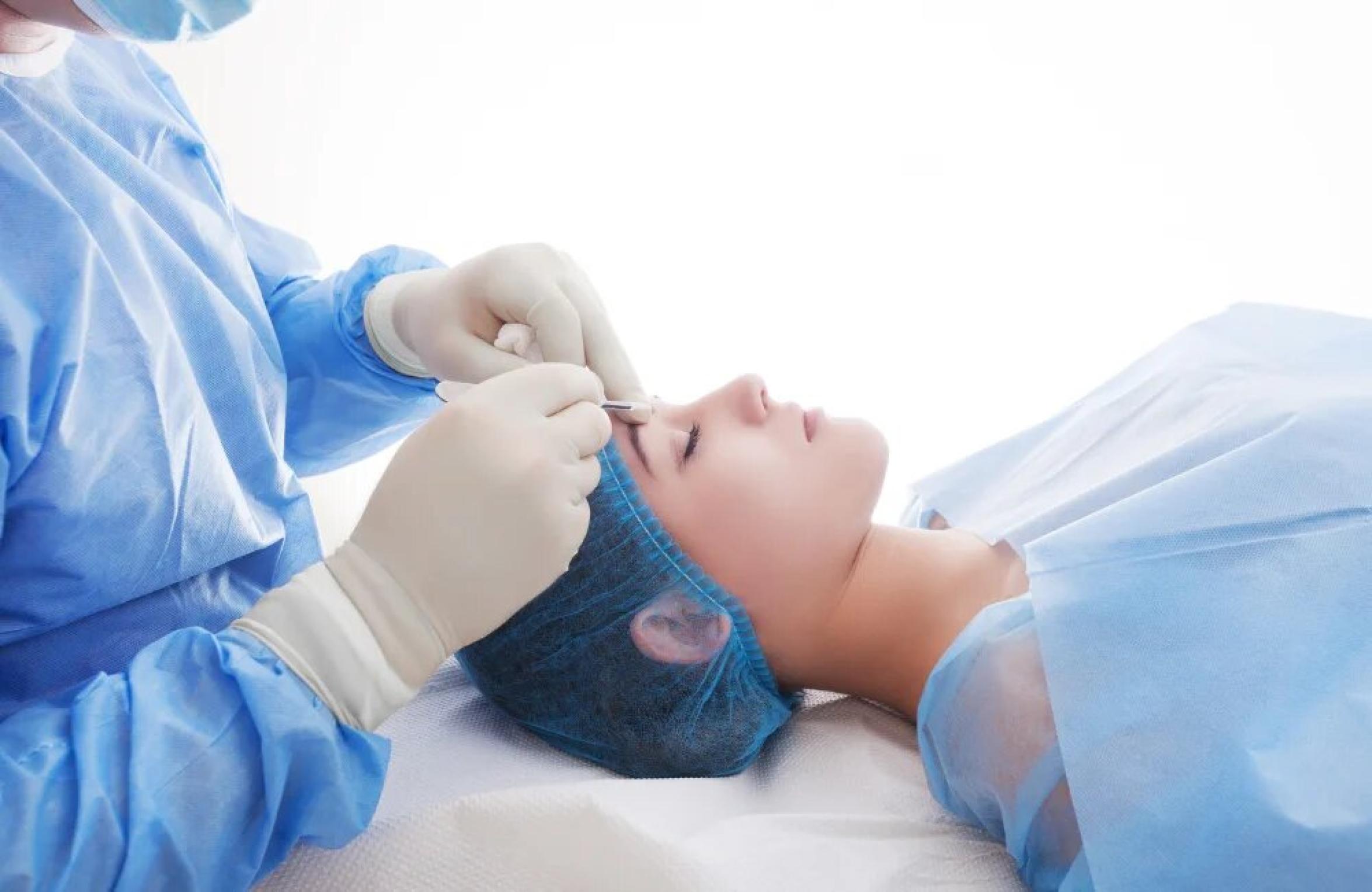
Under-eye bag surgery is a surgical procedure that helps correct concerns caused by accumulated fat beneath the eyes. The doctor removes excess fat and adjusts the structure of the muscles beneath the eyes to make them tighter. In some cases, if there is sagging skin under the eyes, excess skin may also be removed. For those concerned about whether under-eye bag surgery is painful, the procedure is performed under local anesthesia, so patients will not feel pain during the procedure. The surgery takes approximately 1–2 hours and does not require general anesthesia.
What are the Benefits of Under-Eye Bag Removal Surgery?
Lower eyelid bag removal surgery can help address a variety of concerns around the eyes, including reducing puffiness caused by fat accumulation, correcting sagging skin under the eyes, and making the face look brighter, younger, and more vibrant. In addition, it helps to tighten the tissues beneath the eyes. The surgery rearranges the fat and tissue under the eyes, reducing sagging and drooping of the tissue in this area, resulting in smoother under-eye skin. This leads to increased confidence in daily life for the patient.
How Many Types of Under-Eye Bag Removal Surgery Are There?
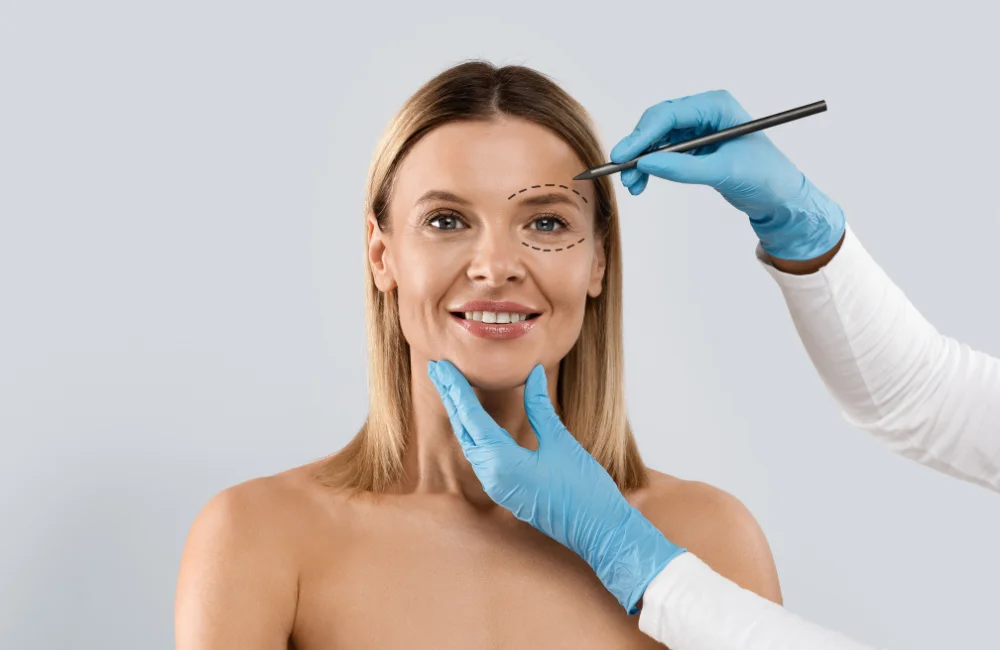
There are two techniques commonly used by doctors to remove under-eye bags: the internal incision scarless technique and the external incision technique. Each method has different advantages and suitability depending on the patient's condition, as follows:
Technique for Removing Under-Eye Bags with an Internal Incision
This technique is a modern and popular surgical procedure in which the doctor makes a small incision in the inner lining of the lower eyelid and then suctions out excess fat. The advantage of this method is that there are no visible external scars, no stitches to remove, and it is suitable for those who have under-eye fat bags but still have relatively firm lower eyelid skin and do not have significant eyelid sagging or deep under-eye hollows. This technique allows patients to return to their daily lives without any recovery time.
Technique for Removing Under-Eye Bags with an External Incision
This method is suitable for those with large under-eye bags and sagging skin. The doctor will make an incision just below the lower eyelashes to remove excess fat and loose skin. The scar will be hidden under the eyelash line. 7 days after the surgery, the stitches will be removed. Scar-reducing creams can be applied to help fade the scar. The result can be a younger-looking face and firmer under-eye skin.
Who Is Under-Eye Bag Removal Surgery Suitable For?
This type of surgery is suitable for people who have prominent, bulging under-eye bags that make the face look fatigued, those with age-related wrinkles and sagging skin under the eyes, as well as those with accumulated under-eye fat that creates shadows under the eyes and makes them appear darker than they actually are. This procedure can be performed for both younger individuals whose under-eye bags are caused by genetic factors and older individuals with sagging tissues around the eyes.
Common Misunderstandings About Under-Eye Bag Removal Surgery
Under-eye bag removal surgery is a popular procedure for those seeking to address sagging skin under the eyes, but many people often misunderstand the scope and capabilities of this surgery, expecting it to fix all problems around the eyes. In reality, there are several limitations that those interested should be aware of, as follows:
Dark circles under the eyes cannot be corrected with under-eye bag surgery because the cause is not due to protruding under-eye fat, but rather other factors such as blood vessels under the skin, increased skin pigmentation, or thin skin under the eyes. A more effective solution is the use of fillers or consistent application of targeted creams.
Wrinkles around the eyes and crow's feet will not disappear with eyelid surgery because they are caused by facial muscle movement, facial expressions, and age-related skin deterioration. Addressing these concerns may require Botox injections to reduce muscle movement or various skin tightening technologies to reduce the depth of wrinkles.
Preparation Before Under-Eye Bag Removal Surgery
Preparing your body before surgery is important for achieving good results and supporting proper wound healing. Patients should inform the doctor in advance of their health information, underlying medical conditions, and history of drug allergies in detail to ensure safety and careful management during the procedure. Important preparation guidelines include:
Stop taking medications that affect blood clotting, such as aspirin, vitamin E, and certain dietary supplements, at least 2 weeks before surgery to reduce the risk of swelling, bruising, and hematoma.
Avoid smoking and alcoholic beverages for at least 1 week before the procedure, as they may delay wound healing and affect blood circulation.
Prepare for the day of surgery: Get enough rest, avoid wearing makeup or nail polish, and wear loose, comfortable clothing with front buttons for convenience when changing clothes. Patients should also attend their scheduled appointment with the doctor for a physical assessment and appropriate treatment planning.
Post-Surgery Care After Under-Eye Bag Removal Surgery
After undergoing under-eye bag removal surgery, following the doctor’s instructions carefully can help the tissues around the eyes heal properly, reduce the risk of side effects, and allow swelling and bruising to gradually subside within an appropriate period. Patients should follow these self-care guidelines:
Apply cold or warm compresses as recommended: After under-eye fat removal surgery, cold compresses are recommended to help reduce swelling and bruising. If bruising remains afterward, warm compresses may be used. However, the appropriate type of compress depends on the surgical technique performed, so patients should follow the doctor’s recommendations.
Adjust your sleeping position to reduce swelling: During the first week, sleep with your head elevated using extra pillows to help reduce swelling and prevent fluid from accumulating under the eyes.
Avoid activities that may affect the surgical site: Avoid touching the surgical area and using cosmetics. Strenuous exercise should also be avoided for at least 2 weeks to help prevent the wound from opening or becoming inflamed.
Keep the area clean and use medications as prescribed: Apply creams or medications as instructed by the doctor and attend follow-up appointments as scheduled. Proper aftercare can help the wound heal faster and achieve results that are consistent with the treatment plan.
Recovery Period After Under-Eye Bag Removal Surgery
Recovery after under-eye bag removal surgery is gradual. During the first 3–5 days, swelling and bruising are usually most noticeable before gradually subsiding. Bruising around the eyes will turn yellowish and gradually fade on its own within 1–2 weeks. For patients who undergo the external incision technique, the doctor will schedule an appointment to remove the stitches after 7 days. In general, the skin will begin to settle and become smoother after approximately 1–3 months, depending on the individual.
Starting Price for Under-Eye Bag Removal Surgery
The cost of under-eye bag removal surgery varies depending on the technique selected and the complexity of each case. A doctor must first assess the skin condition and surrounding anatomy to determine the most appropriate treatment approach.
Summary
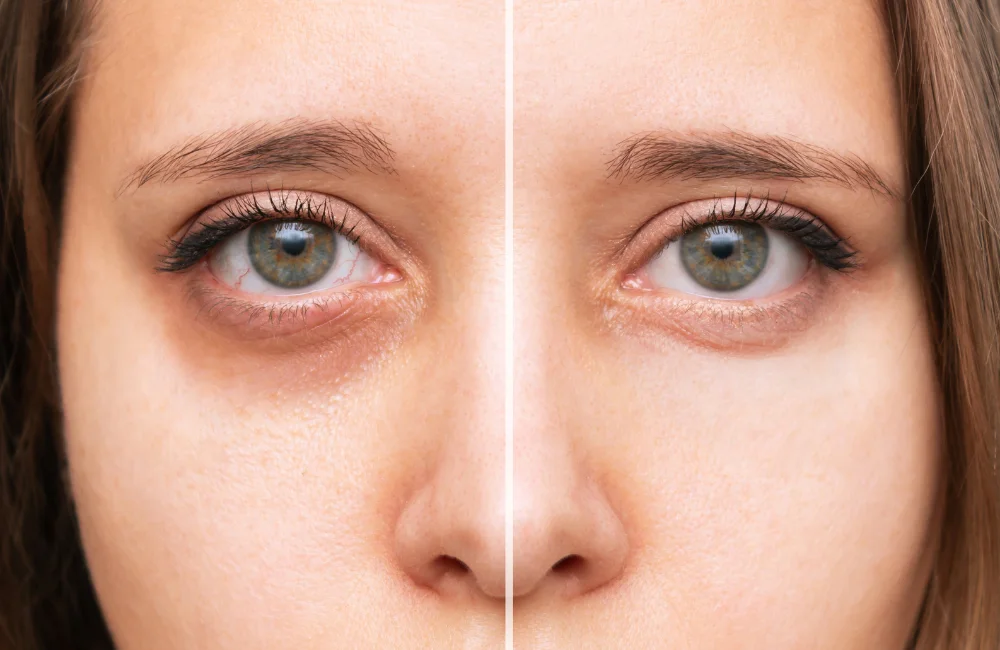
Under-eye bag removal surgery is an effective and long-lasting solution for correcting under-eye bag concerns. However, choosing a qualified and experienced doctor is the most important factor. As for the question, “How much does under-eye bag removal surgery cost?”, the price depends on the technique, complexity, and each individual’s specific concerns. You can consult the experienced ophthalmologists at Sky Clinic, who specialize in Double Eyelid Surgery, Epicanthoplasty (inner corner eye opening), Ptosis Correction (weak eyelid muscle adjustment), Eyelid Fat Repositioning, Subbrow Lift, and Under-Eye Bag Removal Surgery, to receive a treatment approach that is appropriately tailored to each individual’s concerns.
Frequently Asked Questions About Under-Eye Bag Removal Surgery
Is Under-Eye Bag Removal Surgery Painful?
During the procedure, the doctor will administer local anesthesia to the eyelid area. Patients may experience slight discomfort only when the anesthetic is injected. Once the anesthesia takes full effect in the area, it helps prevent pain during the procedure. However, patients may feel some tightness or mild pressure during the procedure. After the anesthesia wears off, there may be some soreness or tightness, which can be managed with pain medication.
Can Under-Eye Fat Grow Back After Under-Eye Bag Removal Surgery?
Excess fat that has already been removed does not return to the same location. However, the remaining tissues and fat around the eye socket can continue to change and sag over time due to the natural aging process and gravity. Taking good care of the skin, getting enough rest, and avoiding risk factors can help maintain the results for a longer period.
What Should Be Done If I Also Have Drooping Eyebrows and Hidden Double Eyelids?
If sagging begins around the forehead and causes the eyebrows to droop, making the upper eyelids appear thicker, and causing the double eyelid crease to become hidden, under-eye bag removal surgery alone cannot correct these upper-eye concerns. The doctor may consider combining the procedure with an Endobrow Lift to lift the upper structures and create a more open appearance, or with double eyelid surgery, depending on each individual’s concerns. This can be performed together with under-eye bag treatment to create a brighter and more refreshed appearance in both the upper and lower eye areas.
Source : -