


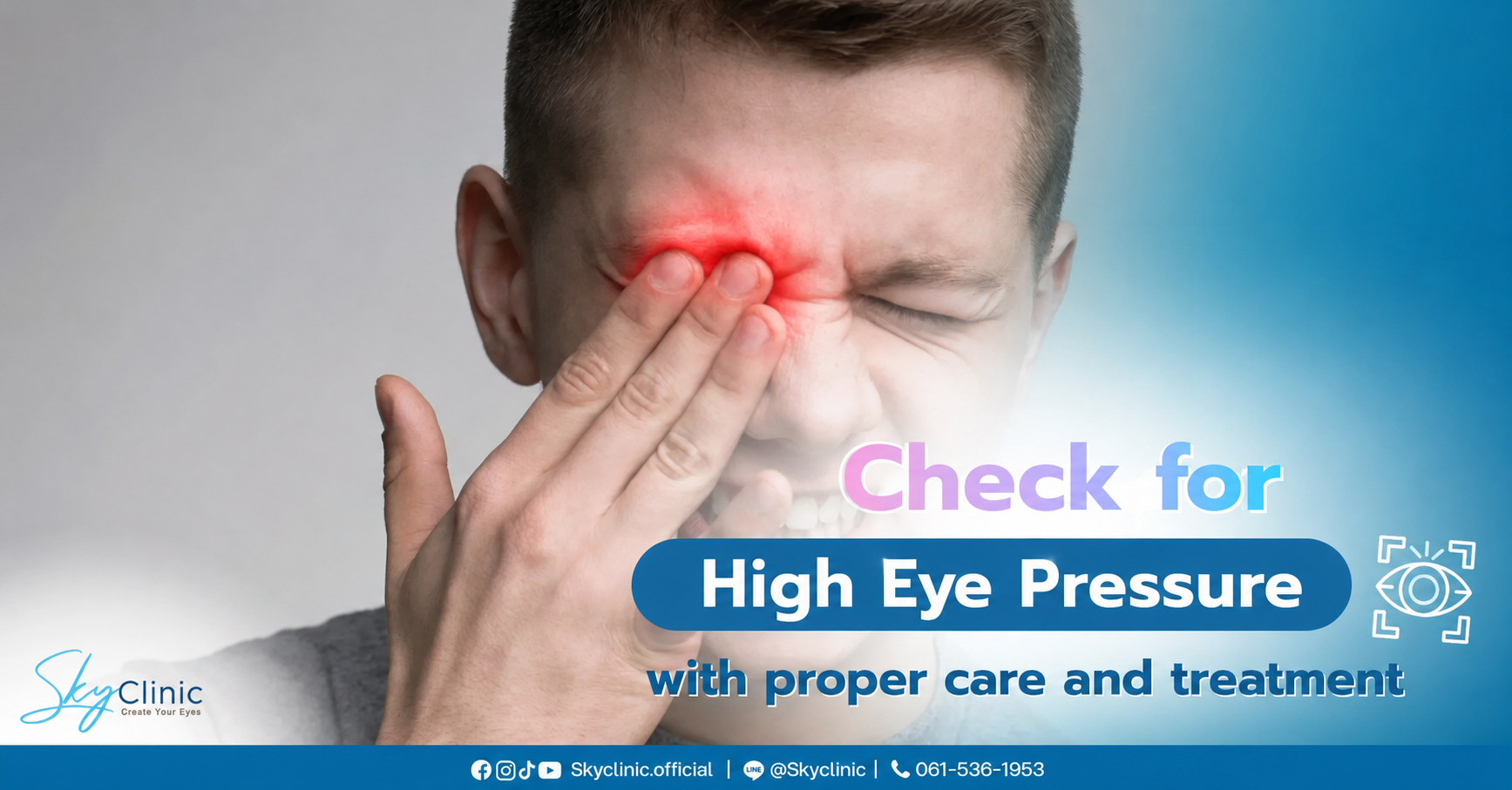
Understanding High Intraocular Pressure: Causes, Risks, and Treatment Approaches




The eyes are vital sensory organs that allow us to see the world clearly. However, many people may not realize that there is a natural pressure inside the eyes known as “intraocular pressure”. When abnormalities occur and intraocular pressure becomes elevated, it can become a silent threat that gradually damages vision without noticeable warning signs. In this article, Sky Clinic takes a closer look at what elevated intraocular pressure is, what causes it, and the proper ways to manage and care for your eyes in order to help protect your vision in the long term.
What Is High Intraocular Pressure?
Intraocular pressure (IOP) refers to the pressure created by the fluid inside the front chamber of the eye, known as the aqueous humor. Under normal conditions, intraocular pressure is typically maintained within a balanced range of approximately 10–21 mmHg. Values higher than this range are considered elevated intraocular pressure. This condition usually indicates an imbalance between the production and drainage of aqueous humor within the eye.
What Are the Symptoms of High Intraocular Pressure?
In the early stages, high intraocular pressure often does not present with obvious signs or symptoms. Individuals with this condition may still have normal vision and experience no pain, making it easy to overlook or remain unaware of the problem. However, if the pressure rises rapidly or damage gradually accumulates over time, certain warning signs may begin to appear, including:
Eye pain or discomfort with eye movement
Redness in the eyes
Excessive tearing (epiphora)
Blurred or reduced visual clarity
The most accurate way to detect elevated intraocular pressure is through a comprehensive eye pressure examination performed by an experienced ophthalmologist.
What Causes High Intraocular Pressure?

An increase in intraocular pressure does not occur without an underlying cause. It is primarily associated with abnormalities in the eye’s fluid circulation and drainage system. In general, the causes of elevated intraocular pressure can be divided into several key factors, including the following:
Excessive Tear Production (Watery Eyes)
The eyes have a natural mechanism that produces aqueous humor, a fluid that helps supply oxygen and nutrients to the tissues within the eye. However, in some cases, the body may produce an excessive amount of this fluid. When the eye is unable to efficiently drain the excess fluid, it can accumulate inside the eye, leading to increased intraocular pressure and potentially causing related eye symptoms or discomfort.
Abnormal Fluid Drainage Inside the Eye
Even when the body produces a normal amount of aqueous humor, problems with the eye’s drainage system may still occur. If the drainage angle between the iris and cornea becomes narrowed or blocked, the fluid cannot drain efficiently and begins to accumulate inside the eye. As a result, intraocular pressure gradually increases.
Eye Injuries or Eye Surgery Complications
Eye injuries caused by accidents or trauma, as well as complications following certain eye surgeries, may damage internal eye structures. This can interfere with the production or drainage of aqueous humor, leading to elevated intraocular pressure. In some cases, these effects may occur immediately after the injury or procedure, while in others, they may gradually develop over time.
Eye Diseases and Underlying Medical Conditions
People with certain eye conditions, such as uveitis, cataracts, or pigment dispersion syndrome, in which pigment particles from the iris block the eye’s drainage channels, may have an increased risk of developing elevated intraocular pressure. In addition, underlying health conditions that affect blood circulation, such as diabetes and hypertension, can also contribute to abnormal increases in intraocular pressure.
Use of Steroid Medications
Long-term use of steroid medications, particularly corticosteroids, can increase the risk of developing elevated intraocular pressure. This includes steroid eye drops, oral steroid medications, and inhaled steroids commonly used for asthma treatment. Therefore, these medications should only be used under close supervision and guidance from a qualified physician.
Who Is at Risk for Developing High Intraocular Pressure?
High intraocular pressure can affect anyone, but certain groups of people are at a higher risk of developing this condition than others and should be closely monitored, including:
People aged 40 years and older
People with a family history of glaucoma or high intraocular pressure
People with severe nearsightedness or farsightedness
People with underlying medical conditions such as diabetes, heart disease, or abnormal blood pressure
People who have experienced eye injuries or undergone eye surgery
People who regularly use steroid medications for an extended period
Is High Intraocular Pressure Dangerous If Left Untreated?
Many people may wonder what can happen if this condition is left untreated. When elevated intraocular pressure persists for a prolonged period, the excessive pressure can compress and damage the optic nerve located at the back of the eye. This nerve plays a crucial role in transmitting visual signals from the eye to the brain. As the optic nerve gradually deteriorates, the visual field may begin to narrow, eventually leading to glaucoma, a serious condition that can result in permanent vision loss if not properly treated.
Treatment Approaches for High Intraocular Pressure

The main goal of treatment is to lower intraocular pressure to a safe level in order to prevent further damage to the optic nerve. Medical treatment approaches generally include the following options:
Use of Eye Drops to Reduce Intraocular Pressure
This is the most common first-line treatment approach. Doctors may prescribe medicated eye drops that help reduce the production of aqueous humor or improve the drainage of fluid from the eye. Patients should use the eye drops regularly and follow the doctor’s instructions carefully to achieve effective pressure control and help prevent further damage to the optic nerve.
Laser Treatment
If medicated eye drops are not effective enough in lowering intraocular pressure, or if the patient is unable to use medications consistently, doctors may consider laser treatment. This procedure uses laser energy to target the eye’s drainage angle, helping improve the outflow of aqueous humor and allowing excess fluid inside the eye to drain more effectively.
Surgery Treatment for Reducing Intraocular Pressure
If eye drops and laser therapy are still not sufficient to control the condition, or if the intraocular pressure becomes dangerously high and increases the risk of vision loss, a glaucoma specialist may recommend surgical treatment. The procedure involves creating a new drainage pathway to help fluid flow out of the eye more effectively. This surgery is performed in an operating room to lower intraocular pressure, protecting the optic nerve, and preserving vision in the long term.
How to Take Care of Yourself to Reduce the Risk of High Intraocular Pressure
Adjusting daily lifestyle habits plays an important role in maintaining eye health and reducing the risk of abnormalities. The following self-care practices may help:
Have regular eye examinations with an ophthalmologist every year, especially for people over 40 years old or those in high-risk groups
Wear protective eyewear or sunglasses during activities that may cause eye injuries
Avoid using over-the-counter eye drops without medical advice, especially products without clear labels that may contain steroids
Rest your eyes regularly when using computers or smartphones for extended periods
Eat foods that support eye health, such as leafy green vegetables, berries, and fish rich in healthy fats
Conclusion: High Intraocular Pressure Should Be Diagnosed and Treated Promptly
Eye conditions should never be overlooked. Although elevated intraocular pressure is often a silent condition with no obvious symptoms in its early stages, leaving it untreated may lead to serious complications that can significantly affect vision. Regular eye examinations and close attention to changes in vision and overall eye health are essential for early detection, timely treatment, and long-term preservation of eye health.
Frequently Asked Questions About High Intraocular Pressure
To address common concerns and provide more comprehensive information, we have compiled some frequently asked questions below to help improve understanding of elevated intraocular pressure and its proper management.
Is High Intraocular Pressure Dangerous?
Yes. If elevated intraocular pressure is not diagnosed and treated promptly, it can seriously affect vision and overall eye health. Excessively high pressure can damage the optic nerve, which is a major risk factor for glaucoma and may eventually lead to permanent vision loss.
How Often Should Intraocular Pressure Be Checked?
For individuals without risk factors, it is recommended to undergo a comprehensive eye examination, including an intraocular pressure check, at least once a year. However, individuals in high-risk groups, such as those with underlying medical conditions, a family history of glaucoma, or those aged 40 years and older, should consult an ophthalmologist to determine the most appropriate follow-up schedule for their specific condition.
Can High Intraocular Pressure Be Treated?
This condition can be effectively controlled and maintained at a safe level through appropriate medical treatment, including medicated eye drops, laser therapy, or surgery. The choice of treatment depends on the ophthalmologist’s evaluation and diagnosis, as well as each patient’s individual eye condition and severity of the disease.
Summary
High intraocular pressure is a condition that everyone should understand and be aware of, as maintaining good eye health is essential for preserving clear vision in the long term. Once internal eye health is properly managed, individuals who are concerned about external eye structure issues or eyelid sagging that affects daily life may consider consulting an eye surgery clinic supervised by experienced ophthalmologists, such as Sky Clinic, for advice on procedures that can help improve eye structure and facial harmony. This may be another option for enhancing confidence and restoring a naturally brighter and more youthful appearance to the eyes.
Source : -