


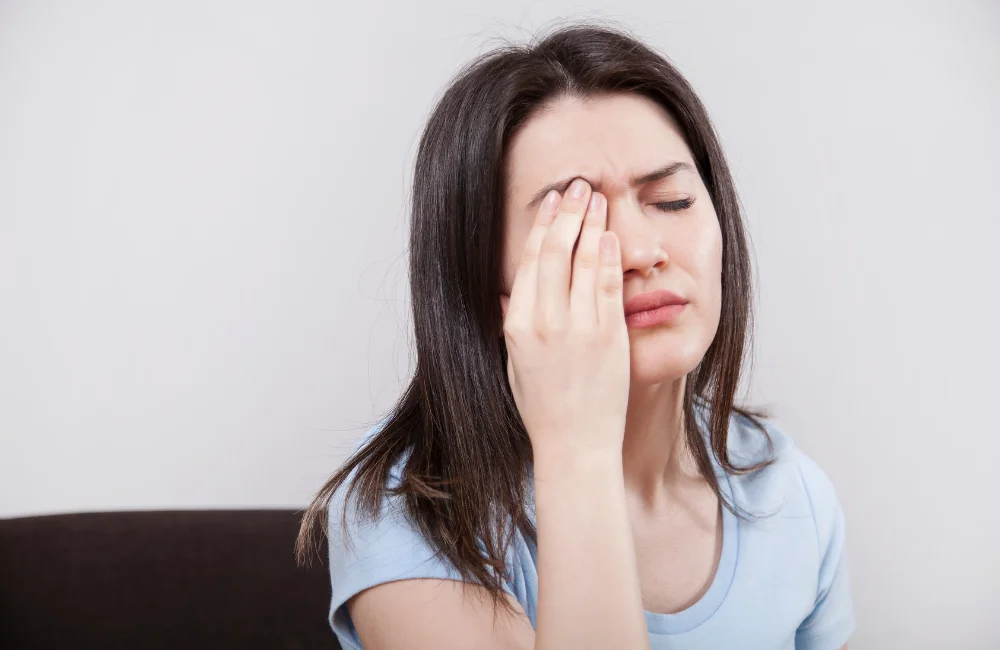
What Causes Eye Twitching and How Can You Stop It?




Eye twitching is a common problem that many people experience. It may last only a few seconds and disappear on its own, while in other cases, it may occur frequently or persist long enough to cause discomfort or concern about an underlying condition. Eye twitching can have several causes, although most cases are temporary and do not require specific treatment. Let's explore the possible causes, when to see a doctor, and available treatment options.
What Is Lower Eyelid Twitching?
Lower eyelid twitching, medically known as eyelid myokymia, is an involuntary contraction of the muscles in the eyelid. The lower eyelid may twitch or quiver rhythmically, usually on one side, with episodes lasting from a few seconds to several minutes. Some people experience it occasionally, while others may have recurring twitching over several days or weeks. Although it can be annoying, eyelid myokymia is usually harmless and resolves on its own.
What Is the Difference Between Upper and Lower Eyelid Twitching?
Upper and lower eyelid twitching share similar symptoms and causes. Both involve involuntary muscle contractions around the eye, and either eyelid may twitch due to factors such as stress, fatigue, insufficient sleep, or excessive caffeine intake. The main difference is the location of the twitching rather than the underlying cause. In most cases, the twitching is harmless and may resolve with adequate rest and lifestyle adjustments. However, if the twitching causes the eye to close completely, persists, or spreads to other parts of the face, seek medical evaluation.
What Causes Eye Twitching?
Eye twitching can have several causes, many of which are related to everyday habits and lifestyle factors rather than serious medical conditions. In many cases, symptoms improve with simple lifestyle adjustments. Let’s explore some of the most common causes.
Stress
Stress may contribute to eye twitching by affecting the nervous system and increasing muscle tension. Frequent lower eyelid twitching may occur during periods of stress or fatigue. Managing stress and getting enough rest may help reduce the frequency of these episodes.
Eye Strain
Prolonged use of computers, mobile phones, or tablets can contribute to eye strain and may be associated with eye twitching. Focusing on screens for extended periods, especially at close range, can cause eye fatigue and discomfort. Taking regular breaks from screen time may help relieve eye strain.
Dry Eyes
When the eyes lack sufficient moisture, irritation may develop and trigger muscle contractions around the eyes, possibly as the eyes attempt to increase blinking. Common contributing factors include dry environments, prolonged exposure to air conditioning, reduced blinking while looking at screens, or contact lens use. People with light sensitivity may also experience dry eyes, which can contribute to eye twitching.
Smoking or Drinking Alcohol
Smoking and alcohol consumption can affect the nervous system and muscle function, potentially contributing to eye twitching. Nicotine in cigarettes is a stimulant that may affect nerve signaling and trigger twitching around the eyes in some people. Alcohol, on the other hand, is a central nervous system depressant that can affect coordination and muscle control. Both smoking and alcohol consumption may also contribute to dehydration and nutritional deficiencies, including vitamin B deficiencies, which may be associated with muscle twitching. However, these factors do not necessarily cause eye twitching in everyone.
Drinking Too Much Coffee or Other Caffeinated Beverages
Caffeine is a stimulant that affects the central nervous system. Consuming large amounts of coffee, tea, or energy drinks, especially on a regular basis, may trigger or worsen eye twitching in some people. Caffeine can increase heart rate and blood pressure and stimulate nervous system activity, which may contribute to muscle twitching.
Allergies
When the body reacts to triggers such as dust, pollen, or pet dander, it releases histamine, which can cause itching, watery eyes, and irritation. Rubbing the eyes to relieve itching may further irritate the eye area and contribute to eye twitching.
When Should You See a Doctor?
Although lower eyelid twitching is usually harmless and resolves on its own, some cases may require assessment by an ophthalmologist at an Eye Surgery Clinic. Seek medical advice if the twitching persists for more than two weeks, becomes progressively worse, or affects other parts of your face. You should also seek prompt medical attention if your eyelid closes completely and interferes with your vision. Twitching that spreads to areas such as the corners of your mouth or chin may be associated with a neurological condition, such as hemifacial spasm. If you also experience drooping of the upper eyelid ptosis, an ophthalmologist can assess the underlying cause.
How to Manage and Treat Eye Twitching

Treatment for eye twitching depends on its cause and severity. Many cases improve with simple self-care measures, while persistent or severe symptoms may require medical evaluation and appropriate treatment. Let’s explore some common ways to manage eye twitching.
Rest Your Eyes
Resting your eyes may help relieve twitching associated with eye strain. Take a break from electronic screens every 20 minutes and look at an object about 20 feet away for at least 20 seconds. Remember to blink regularly to keep your eyes moist. If your eyes feel irritated or tired, applying a cold compress using a clean, cool, damp cloth for 5–10 minutes may help relieve discomfort.
Use Artificial Tears
Artificial tears can help relieve eye irritation and dryness that may be associated with eye twitching. They add moisture to the eye surface and help reduce discomfort caused by dryness. Artificial tears can be used as directed on the product label, particularly when your eyes feel dry or after prolonged screen use. Contact lens wearers should choose artificial tears specifically labeled for use with contact lenses.
Medication
In some cases, a doctor may consider medication to address underlying factors that contribute to eye twitching, such as anxiety or sleep difficulties. If a nutritional deficiency, such as vitamin B12, magnesium, or potassium deficiency, is confirmed, the doctor may recommend appropriate supplements or dietary changes. Medication specifically for eye twitching may be considered in persistent or severe cases, depending on the underlying cause, and should only be used under medical supervision.
Botox Injections
For people with severe or persistent eye twitching that does not improve with other treatments, botulinum toxin (Botox) injections may be considered, depending on the underlying cause. These injections temporarily reduce nerve signals to the targeted muscles, helping them relax and reducing involuntary contractions. The treatment must be administered by a qualified medical professional. The effects typically last around 3–4 months, although the duration may vary, and repeat injections may be needed if symptoms return.
Summary

Eye twitching is a common occurrence and is often associated with factors such as stress, insufficient sleep, or eye strain. Making lifestyle changes and taking proper care of your eyes may help relieve symptoms. However, if the twitching is severe or persistent, consult a doctor for an accurate diagnosis and appropriate treatment. For more information, explore our articles about eye diseases for general eye health information and self-care guidance. If you have other eye-related concerns, you can consult the ophthalmologists at Sky Clinic about available procedures, including Double Eyelid Surgery, Medial Epicanthoplasty, Ptosis Correction, Subbrow Lift, Under-Eye Bag Removal Surgery, and Endoscopic Brow Lift Surgery. The appropriate treatment will depend on your individual concerns and the ophthalmologist's assessment.
Frequently Asked Questions About Eye Twitching
How Long Does Eye Twitching Last, and What Should You Do If It Persists?
Eye twitching usually goes away on its own within a few days to a week. Making lifestyle changes, such as getting enough rest and reducing screen time, may help relieve symptoms. However, if the twitching persists for more than two weeks or is severe enough to cause the eyelid to close completely, you should see an ophthalmologist for a thorough evaluation.
Is Eye Twitching a Sign of a Serious Disease?
In most cases, eye twitching is not a sign of a serious medical condition. It is often associated with lifestyle factors such as stress, insufficient sleep, or excessive caffeine intake. However, in rare cases, persistent twitching accompanied by facial muscle weakness or other neurological symptoms may indicate an underlying condition that requires medical evaluation.
Is Continuous Twitching in One Eye for Several Weeks Dangerous?
Twitching in one eye that continues for several weeks is a symptom that should be monitored. Although it may not indicate a serious disease, it could be a sign of hemifacial spasm, a condition associated with facial nerve dysfunction. If left untreated, it may affect daily activities. Therefore, you should consult a doctor.
What Vitamins Should You Take to Help Reduce Eye Twitching?
Deficiencies in certain minerals and vitamins may contribute to muscle twitching. Eating foods rich in magnesium, potassium, and calcium is recommended, as these nutrients support normal nerve and muscle function. In addition, vitamin B12 helps maintain normal nerve function. Correcting a deficiency may help relieve twitching if it is related to a lack of these nutrients.
How Long Do Botox Injections for Eye Twitching Last, and How Often Do You Need Repeat Injections?
Botox injections used to treat severe eye twitching help relax the affected muscles, and the effects typically last around 3–4 months. Once the effects wear off, the twitching may return. Patients may therefore need repeat injections at intervals determined by their doctor. The frequency depends on each individual's response to treatment.
Medical References:
Source : -