


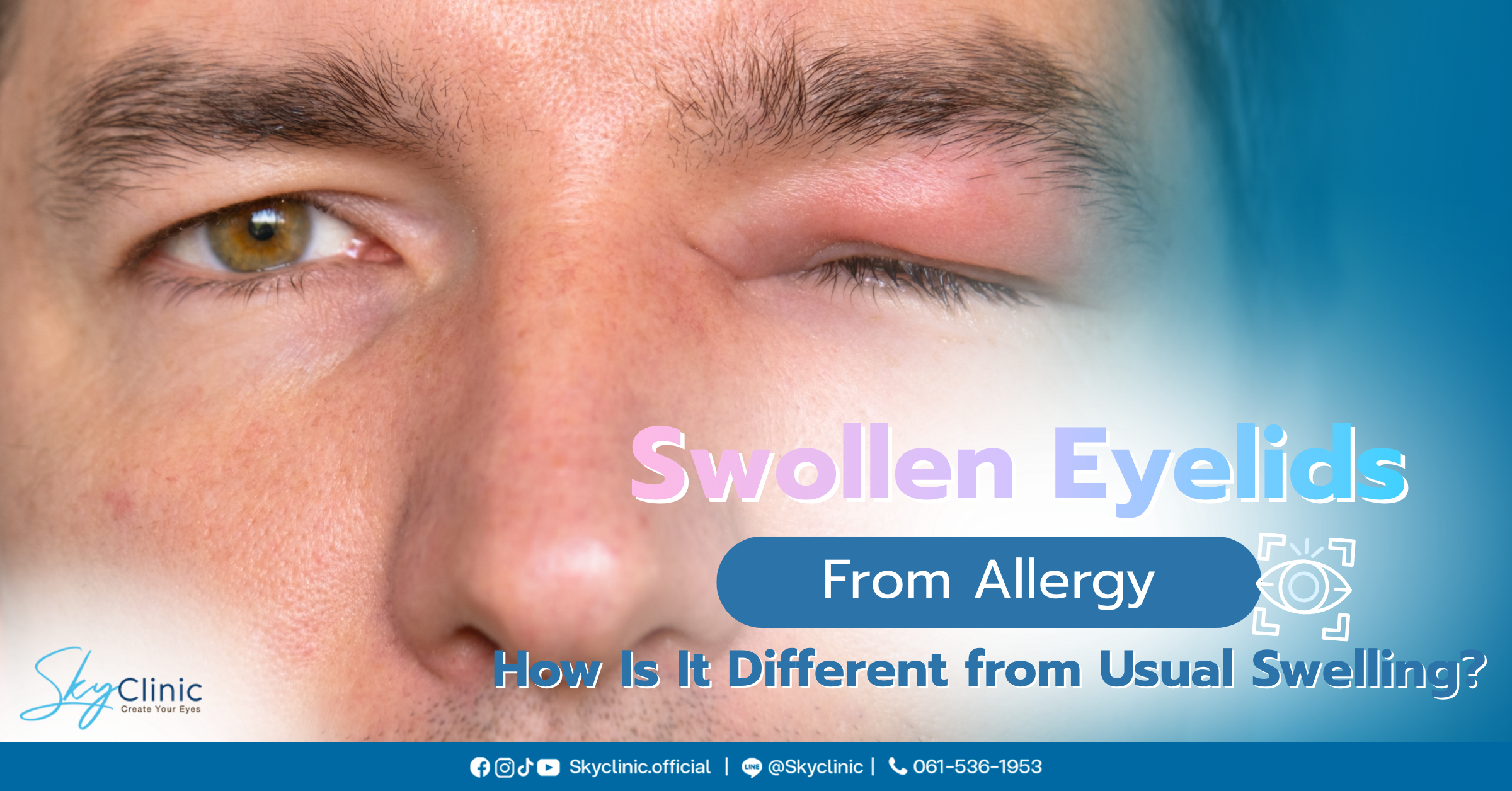
How Is Eyelid Swelling from Allergies Different from General Swelling, and How Is It Treated?




Swelling around the eyes can occur for various reasons and may affect vision and daily life. Allergic eyelid swelling is a common condition that many people experience. However, it can sometimes be difficult to determine whether the swelling is caused by an allergic reaction to an allergen or by another underlying cause. Being able to distinguish between these conditions can help you understand the symptoms and manage the problem more effectively. This article provides detailed information to help you recognize and identify the key characteristics of each condition.
What Is Allergic Eyelid Swelling?
Allergic eyelid swelling is an immune response that occurs when the eyes come into contact with environmental allergens, such as pollen, dust, pet dander, or certain ingredients in cosmetics. In response to these allergens, the body releases histamine and other inflammatory substances, causing blood vessels to dilate and increasing fluid leakage into the surrounding tissues. This can lead to noticeable swelling around the eyes, accompanied by itching, redness, or irritation. These symptoms may affect one or both eyes.
How Is Allergic Eyelid Swelling Different from General Eyelid Swelling?
The main differences between these types of eyelid swelling lie in their clinical characteristics and underlying causes. General eyelid swelling may result from insufficient rest, excessive crying, injury, or bacterial infection, and may be accompanied by pain or pus-filled bumps. In contrast, allergic eyelid swelling often develops rapidly after exposure to an allergen. A key characteristic is that it is usually associated with intense itching rather than severe pain. These differences can help distinguish between the possible causes of eyelid swelling and guide appropriate care.
Common Symptoms Associated with Allergic Eyelid Swelling
In addition to noticeable swelling around the eyes, this condition is often accompanied by a characteristic group of symptoms that may help identify the underlying cause. Observing these associated symptoms can help assess the severity of the condition and determine appropriate ways to relieve the symptoms. Common symptoms include:
Itching: This is one of the most prominent symptoms. Intense itching may occur around the inner corners of the eyes, conjunctiva, or eyelids, creating a strong urge to rub the eyes.
Red eyes: The small blood vessels in the whites of the eyes may dilate, causing them to appear mildly or intensely red due to inflammation.
Watery eyes: The eyes may produce excessive tears in response to exposure to allergens.
Irritation: A sensation similar to having dust or sand in the eyes may occur, sometimes causing light sensitivity and discomfort when blinking.
Treatment for Allergic Eyelid Swelling
When allergic eyelid swelling occurs, timely and appropriate treatment is important to relieve discomfort and prevent symptoms from worsening. Several approaches can help manage this condition, with the main goals of reducing the allergic response, relieving irritation, and alleviating swelling.
Avoiding Allergens
The first and most important step in managing allergic eyelid swelling is identifying and avoiding the triggers that cause the symptoms. If you know which substances you are allergic to, you should minimize or avoid exposure to them. For example, if you are allergic to dust, reduce activities in areas with high levels of dust. If you are allergic to pet dander, avoid close contact with pets. Reducing exposure to allergens can help limit the allergic response, allowing swelling and itching to gradually subside and helping reduce the likelihood of symptoms recurring in the future.
Using Eye Drops and Oral Medications
Medications can help relieve symptoms of allergic eyelid swelling. Depending on the symptoms, doctors may recommend antihistamine eye drops or prescribe corticosteroid eye drops to reduce inflammation, along with oral antihistamines to help control the allergic response. However, these medications should be used under the guidance and supervision of a qualified doctor. Prolonged use of corticosteroid eye drops may cause side effects, including increased intraocular pressure, so appropriate medical monitoring is essential.
Managing Symptoms at Home
In the early stages, swelling can be relieved with a cold compress. Use a clean cloth soaked in cold water or a cold gel pack wrapped in a soft cloth, and apply it gently to the area around the eyes for approximately 10–15 minutes. The cold temperature helps constrict blood vessels and reduce swelling and itching. It is especially important to avoid rubbing the eyes, as friction can worsen irritation and inflammation, making the eyes more swollen and red. Rubbing the eyes can also increase the risk of corneal abrasions.
How to Prevent Allergic Eyelid Swelling

Prevention is always better than treatment. Adjusting daily habits and keeping your surroundings clean can help reduce exposure to allergens and lower the risk of allergic reactions affecting the eyes. The following guidelines can help protect your eyes and maintain good eye health.
Maintaining Cleanliness at Home
The indoor environment can be a major source of dust mites and other allergens. Regularly cleaning your home is important, especially the bedroom, where you spend much of your time. Bed sheets, pillowcases, and blankets should be washed regularly with hot water, ideally once a week. Use a vacuum cleaner equipped with a high-efficiency particulate air (HEPA) filter, and open windows when appropriate to improve ventilation and allow sunlight to enter, helping reduce humidity and prevent mold growth.
Protecting the Eyes When Going Outdoors
When outdoor activities or travel to areas with high levels of pollution are unavoidable, protecting the eyes is important. Wearing sunglasses or large-framed glasses can help prevent dust, smoke, and pollen from coming into direct contact with the eyes. Glasses act as a physical barrier that can reduce exposure to allergens that may irritate the conjunctiva. In addition, prolonged exposure to cigarette smoke and chemical fumes should be avoided whenever possible.
Proper Use of Contact Lenses and Cosmetics
People who wear contact lenses should maintain proper hygiene. Wash your hands thoroughly before inserting or removing contact lenses each time. If eye irritation occurs, stop wearing the contact lenses immediately and switch to glasses instead. When choosing cosmetics for use around the eyes, opt for products labeled as hypoallergenic and always check their expiration dates. In addition, remove all eye makeup thoroughly before going to bed to help prevent residual makeup from irritating the eyes and causing inflammation.
Warning Signs That Require Prompt Medical Attention
Most cases of eyelid swelling improve on their own or with initial care. However, if the swelling is severe enough to prevent you from opening your eyes, or if you experience severe eye pain, blurred vision, thick yellow or green eye discharge, or unusual sensitivity to light, these symptoms may indicate a more serious eye condition rather than a simple allergic reaction. They may be associated with an infection or another condition that requires prompt medical evaluation. Seek medical attention promptly for an examination, diagnosis, and appropriate treatment.
Consult Sky Clinic for Eyelid Concerns
If you are concerned about your eyelid shape, sagging, or excess eyelid skin and fat that obscures the eyelid crease or affects your vision, appearance, or confidence, consulting a reputable Eyelid Surgery Clinic may be an appropriate option. At Sky Clinic, our team of experienced ophthalmologists provides detailed assessments and personalized recommendations, including eyelid structural correction through Double Eyelid Surgery. If you also have concerns such as drooping eyebrows, a narrow eye area, or sagging skin around the upper face, the Endobrow Lift may be a more suitable option to help lift the eyebrows and create a natural-looking appearance.
Frequently Asked Questions About Allergic Eyelid Swelling
When eye-related symptoms occur, many people naturally have concerns and questions about how to manage them appropriately. To help you care for your eyes safely and reduce the risk of potential complications, we have compiled some frequently asked questions about managing allergic eyelid swelling, along with helpful answers.
Can I Buy Eye Drops and Use Them on My Own?
Artificial tears intended to lubricate the eyes can generally be purchased for self-use. However, eye drops containing corticosteroids or antihistamines should be used according to a doctor's advice and after an appropriate assessment. Using the wrong medication may worsen eye symptoms or cause complications. In particular, prolonged use of corticosteroid eye drops may increase intraocular pressure and lead to other eye-related complications.
Can Allergic Eyelid Swelling Be Cured?
Allergic eyelid swelling cannot always be permanently cured, as it is related to an individual's immune response. However, symptoms can be managed, and flare-ups can be prevented or reduced by avoiding known allergens and using medications as recommended by a doctor.
How Many Days Does Allergic Eyelid Swelling Take to Go Away?
Generally, if exposure to the allergen is avoided and appropriate measures, such as cold compresses or medications, are used, swelling and itching may gradually improve within one to three days. However, the recovery time can vary depending on the cause and severity of the symptoms. If the swelling persists or worsens, you should consult an ophthalmologist for further evaluation.
Summary

Swelling around the eyes caused by an allergic reaction is typically characterized by itching and may develop rapidly after exposure to an allergen. Proper care begins with avoiding known triggers, using cold compresses to help relieve swelling, and using medications as recommended by a doctor. For those looking for an Eyelid Surgery Clinic to address other eyelid concerns, you can consult an ophthalmologist at Sky Clinic. The clinic offers a range of procedures, including Double Eyelid Surgery, Medial Epicanthoplasty, Ptosis Correction, Subbrow Lift, Under-Eye Bag Removal Surgery, and Endoscopic Brow Lift using the Endobrow Lift technique. An ophthalmologist can assess your concerns and recommend an appropriate treatment plan.
Source : -