


What to Eat After Surgery for Faster Wound Healing and What Foods to Avoid




Self-care after double eyelid surgery requires special attention. This includes what to eat to help surgical wounds heal faster and which types of food should be avoided to support proper wound healing, reduce the risk of inflammation, and help achieve satisfying surgical results. In this article, we have some helpful recommendations to share with you.
What Should You Eat to Help Surgical Wounds Heal Faster?
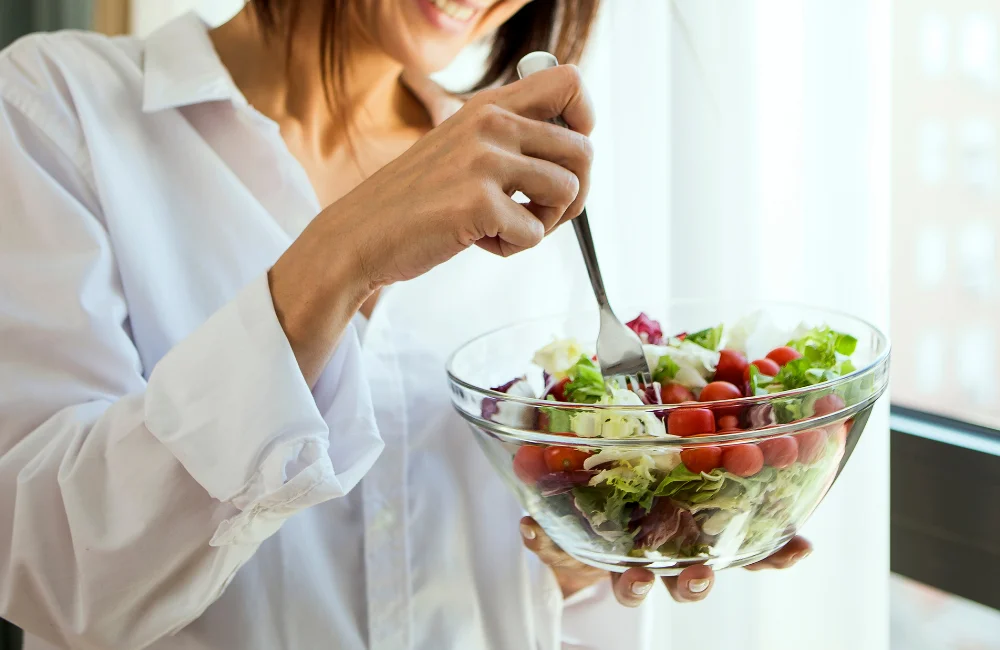
What should you eat to help surgical wounds heal faster? To help surgical wounds recover quickly and reduce the chance of complications, choosing nutritious foods can help repair damaged tissue, strengthen the body, and stimulate the body’s natural wound-healing process. Let’s take a look at what we should especially focus on.
Protein
Protein is an essential nutrient for repairing tissue and creating new skin cells. It helps strengthen the skin structure and allows surgical wounds to heal faster. Good-quality protein sources that are easy to find include fish, lean meat, eggs, milk, soybeans, tofu, and various grains. Getting enough protein helps the body recover well after surgery, reduces fatigue, and helps surgical wounds heal faster.
Vitamin C
Vitamin C plays an important role in collagen synthesis, which is the main protein component of the skin. It helps keep the skin elastic and supports faster wound healing. In addition, vitamin C is an antioxidant that helps reduce inflammation and strengthen the body’s immune system. High-vitamin-C sources include sour fruits such as oranges, lemons, guava, kiwi, and green leafy vegetables.
Vitamin A
Vitamin A helps new skin cells grow, supports immune system function, and helps prevent infection in surgical wounds. Getting enough vitamin A helps strengthen the skin around the wound and supports proper healing. Foods high in vitamin A include liver, egg yolks, milk, dark green leafy vegetables such as spinach and ivy gourd, and yellow-orange fruits and vegetables such as carrots, pumpkin, and ripe papaya.
Zinc
Zinc is a mineral that plays an important role in the function of many enzymes in the body, including enzymes involved in protein synthesis and the creation of new skin cells, which are necessary for wound healing. It helps surgical wounds heal faster, reduces inflammation, and helps prevent infection. Foods rich in zinc include oysters, lean meat, liver, eggs, dried beans, and pumpkin seeds.
Water
Water is an important component of the body and every cell. Drinking enough water helps maintain skin moisture, allowing skin cells to function effectively. It helps transport nutrients to the wound area and helps remove waste from the body, resulting in better surgical wound healing. We should drink at least 8-10 glasses of clean water per day, or more as recommended by the doctor, especially after surgery.
Healthy Fats
Healthy fats help the body absorb fat-soluble vitamins (A, D, E, K), which are necessary for the body’s repair process and for reducing inflammation. Healthy fats are also an important component of cell membranes, helping cells stay strong. Good sources of healthy fats include olive oil, avocado, and various nuts such as almonds and walnuts.
What Should You Avoid Eating After Surgery?
In addition to choosing foods that support wound healing, certain types of food should be avoided after surgery because they may negatively affect the wound-healing process, causing wounds to heal more slowly, become inflamed, or swell more, as follows:
Spicy Foods
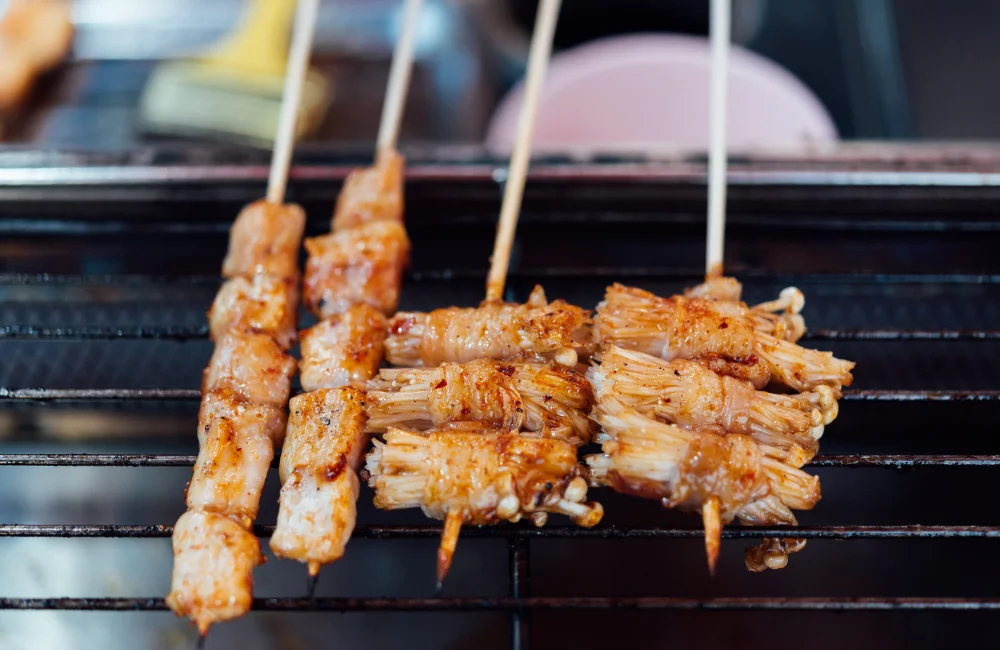
Very spicy foods may stimulate the body to sweat more, which can make the surgical wound moist and increase the risk of infection. In addition, spiciness may also make the circulatory system work harder, causing more blood flow to the wound area and possibly making the wound swell or become inflamed more easily, especially during the early period after surgery when the wound is still delicate. Therefore, spicy foods should be avoided for the time being.
High-Fat Foods
Foods high in trans fats or saturated fats, such as fried foods, fast food, or large amounts of fatty meat, may stimulate inflammation in the body and are difficult to digest. This causes the body to use energy to digest these foods instead of using it to repair damaged tissue. Eating high-fat foods may also cause stomach discomfort, which is not beneficial for post-surgery recovery.
Drinks Containing Alcohol
All types of alcoholic beverages cause blood vessels to expand, which may increase the risk of bleeding from the surgical wound. In addition, alcohol can dehydrate the body, reduce immune system efficiency, make wounds more prone to infection, and may interact with medications taken after surgery, negatively affecting overall recovery. Therefore, alcoholic beverages should be strictly avoided during the recovery period.
High-Sodium Foods
Foods high in sodium, such as processed foods, fermented foods, snacks, or very salty foods, can cause the body to retain more water. This can lead to swelling in different areas, including the surgical wound area, which may make the wound feel tight, uncomfortable, and heal more slowly. Reducing sodium intake can help reduce swelling and support faster wound recovery.
Foods That Cause Allergic Reactions
If you know that you have a history of allergy to any food, you should strictly avoid those foods during the post-surgery recovery period because allergic reactions may cause inflammation, itching, rashes, or other unwanted symptoms that can interfere with wound healing and weaken the body. Foods that commonly cause allergic reactions include certain types of seafood, some nuts, and dairy products. If you are unsure, you should consult your doctor.
Caffeinated Drinks
Caffeinated drinks, such as coffee, tea, and some soft drinks, may have a mild diuretic effect, causing the body to lose water. Caffeine may also interfere with sleep, which is an important time for the body to repair itself. Insufficient rest may slow wound healing. Therefore, during the recovery period, you should limit caffeinated drinks or choose caffeine-free drinks instead.
High-Sugar Foods
Foods and drinks that are high in sugar, such as desserts, sweetened drinks, and soft drinks, may affect the body’s immune system, reducing its ability to fight germs and repair itself. In addition, sugar may also stimulate inflammation in the body, which is not beneficial for wound healing. Choosing foods that are low in sugar will help the body recover better.
Summary
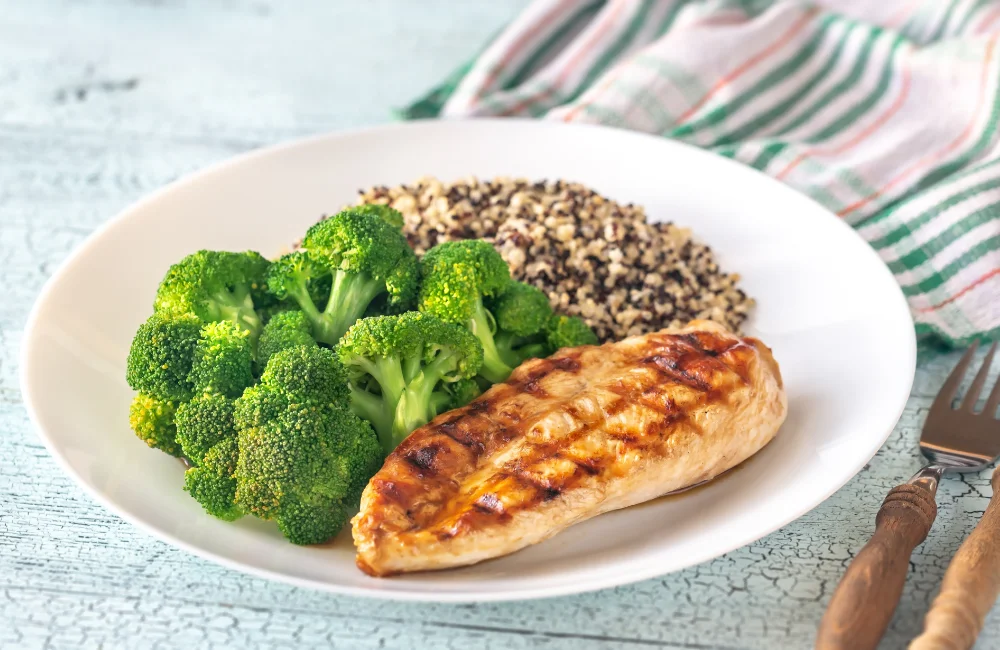
What should you eat to help surgical wounds heal faster? Choosing nutritious foods such as protein, vitamins, and various minerals, while avoiding foods that may have negative effects, such as spicy foods, alcohol, and high-sugar foods, can help surgical wounds heal well, reduce the risk of inflammation, and allow you to return to normal activities faster. For those who have undergone eye surgery and want close medical care, you can consult the specialized ophthalmologists at Sky Clinic, which is an eye surgery clinic with expertise in Double Eyelid Surgery, Epicanthoplasty (inner corner eye opening), Ptosis Correction, Subbrow Lift, and Under-Eye Bag Removal Surgery to receive treatment that is suitable for your concerns.
Source : -