



Eat these 10 fruits to improve blurry vision for healthy eyes.




Fruits for blurry vision are natural eye-nourishing foods that are safe and rich in vitamins and minerals essential for healthy eyesight. In addition to taking eye health supplements, choosing nutrient-rich fruits is another effective way to support vision, enhance eye function, and help prevent various eye problems. Let's explore which fruits are best for eye health.
10 Fruits for Eye Health
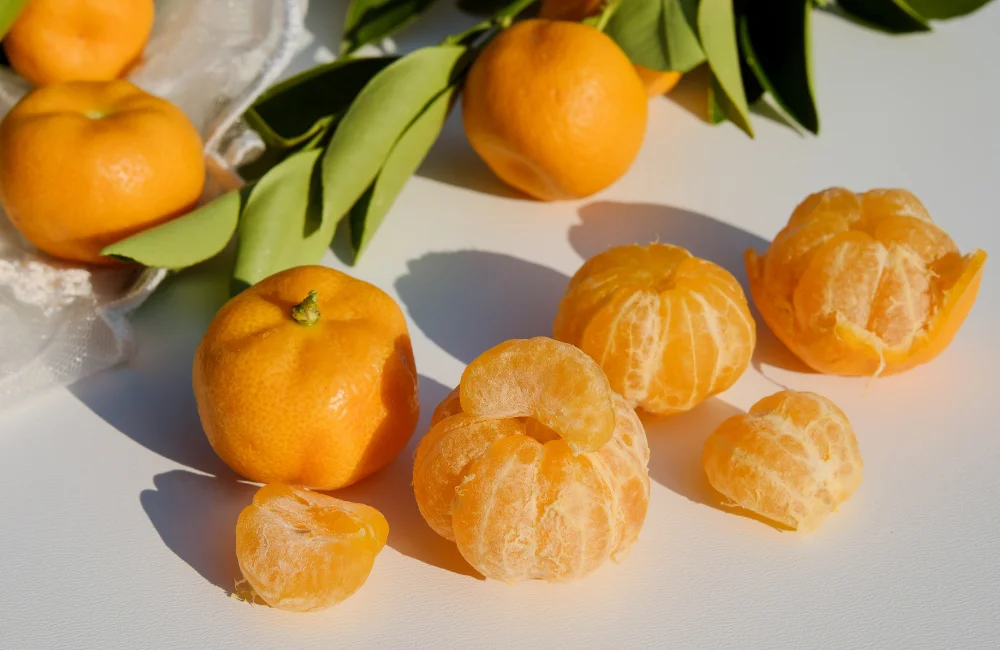
Besides consuming eye-nourishing foods and supplements, eating fruits rich in nutrients beneficial to the eyes is an excellent way to help prevent and manage blurry vision. Each fruit offers unique benefits that contribute to maintaining and improving overall eye health.
1. Blueberries
Blueberries are among the most effective fruits for supporting blurry vision because they are rich in anthocyanins, powerful antioxidants that help protect retinal cells and optic nerves. They also contain vitamins C and E, which support night vision and slow age-related eye degeneration. Regular consumption of blueberries may help reduce the risk of cataracts and macular degeneration while relieving eye strain caused by prolonged visual tasks. Blueberries can be enjoyed fresh or blended into smoothies.
2. Cranberries
Cranberries are highly nutritious fruits for eye health, packed with vitamin A, vitamin C, and antioxidants that help protect the eyes from degeneration. They contain proanthocyanidins, which help shield the retina from blue light exposure and reduce the risk of cataracts. Cranberries also promote eye hydration, help relieve dry eyes, and improve blood circulation around the eyes. They can be consumed fresh, as juice, or in dried form.
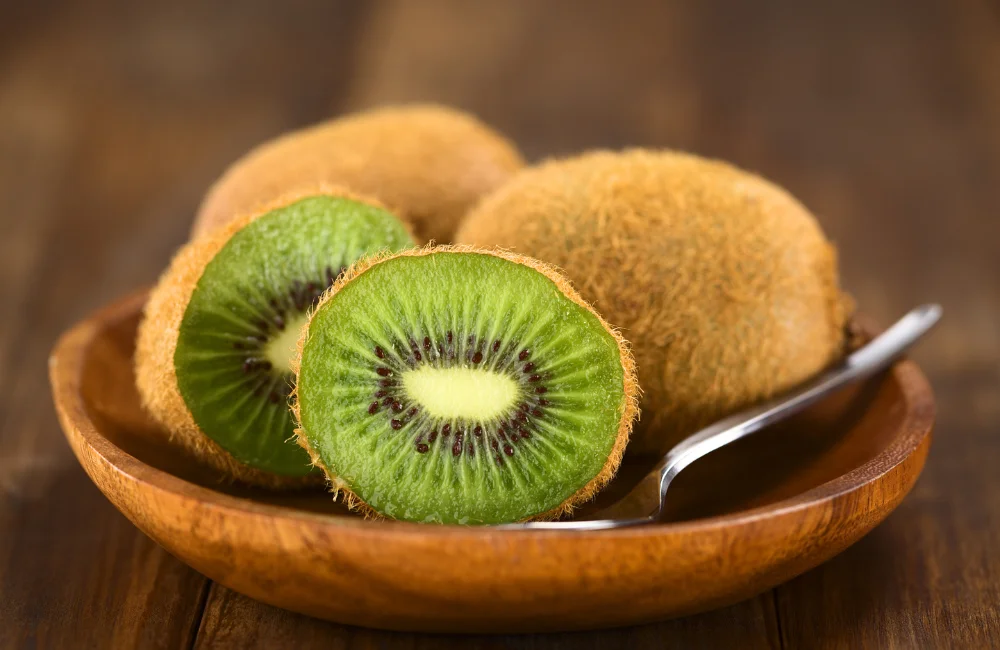
3. Kiwi
Kiwi is an excellent fruit for blurry vision, rich in vitamin C, lutein, and zeaxanthin—key nutrients that help protect the retina and prevent macular degeneration. It also contains antioxidants that safeguard eye cells from damage. Kiwi provides folate, vitamin E, and various minerals essential for healthy vision. Regular consumption may help reduce the risk of cataracts and other eye conditions.
4. Oranges
Oranges are packed with vitamin C and vitamin A, both of which play important roles in nourishing and repairing eye tissues. Vitamin C supports collagen production around the eyes, helping maintain strong and healthy cells. Oranges also contain flavonoids and beta-carotene, which help protect the retina, lower the risk of cataracts, and improve night vision. Fresh oranges are the best choice for maximizing vitamin C intake.
5. Papaya
Papaya is a natural eye-health food rich in beta-carotene, vitamin A, and vitamin C. Beta-carotene is converted into vitamin A in the body, which is essential for healthy vision and adaptation to low-light conditions. Papaya also contains antioxidants that help protect eye cells from damage and slow retinal degeneration. Ripe papaya offers the greatest nutritional benefits.
6. Avocado
Avocado is a highly beneficial fruit for blurry vision because it contains lutein and zeaxanthin, nutrients crucial for maintaining retinal health. It is also rich in omega-3 fatty acids, vitamin E, and B vitamins, which support optic nerve function and overall vision. Avocados contain powerful antioxidants that help prevent eye degeneration and reduce the risk of cataracts. For maximum nutritional value, choose ripe avocados.
7. Mango
Mangoes are rich in vitamin A and beta-carotene, which are essential for retinal health and night vision. They also provide vitamin C, vitamin E, and various minerals that support optimal eye function. Mangoes contain antioxidants that help protect eye cells from damage and slow age-related vision decline. Ripe mangoes with deep yellow-orange flesh contain the highest levels of beta-carotene.
8. Tomatoes
Tomatoes are excellent foods for eye health, containing lycopene, lutein, and zeaxanthin—potent antioxidants that help protect the eyes. Lycopene, in particular, may help prevent retinal degeneration and lower the risk of cataracts. Tomatoes also provide vitamin C, vitamin A, and essential minerals that support healthy vision. Cooked tomatoes allow the body to absorb lycopene more effectively while retaining valuable nutrients.
9. Watermelon
Watermelon is a beneficial fruit for blurry vision because it contains lycopene and beta-carotene, antioxidants that help protect the eyes from damage. It is also rich in vitamins C and A and other nutrients essential for eye health. Watermelon helps maintain hydration throughout the body, including the eyes, reducing dry eye symptoms and supporting healthy circulation. Watermelons with deep red flesh typically contain the highest levels of lycopene.
10. Guava
Guava is an eye-nourishing fruit exceptionally rich in vitamin C, which supports collagen production and protects eye cells. It also contains vitamin A, lutein, and zeaxanthin, which help maintain retinal health and prevent vision deterioration. Guava's high antioxidant content may reduce the risk of cataracts and other eye diseases. Eating fresh guava provides the highest vitamin C content, and consuming both the flesh and seeds adds beneficial dietary fiber.
Article Summary
Eating fruits that support blurry vision is a natural and effective way to promote overall eye health. Each fruit offers different nutrients that contribute to maintaining healthy vision. In addition to proper nutrition, undergoing eyelid surgery with a specialized eye surgery clinic can help address eyelid-related conditions that may affect vision. For those interested, the experienced ophthalmologists at Sky Clinic specialize in double eyelid surgery, epicanthoplasty (inner corner eye surgery), ptosis correction, hidden brow scar techniques, under-eye fat repositioning, and eye bag removal, providing personalized treatment tailored to each patient's needs.
Source : -