


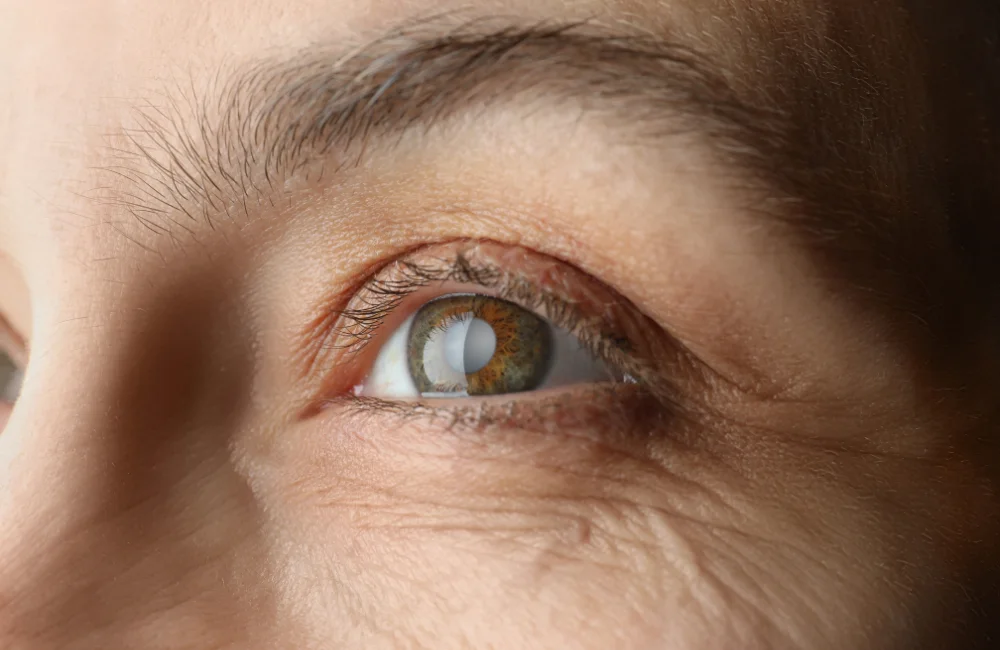
What are glaucoma and cataracts? Learn about the types of eye conditions and how to treat them.




Glaucoma and cataracts are common eye conditions, especially among older adults. Although their names are often mentioned together, glaucoma and cataracts have different causes and treatment approaches. In addition, eye disorders such as pinguecula, pterygium, cataracts, and glaucoma each present with distinct symptoms and characteristics. Understanding the differences among these eye conditions can help individuals recognize symptoms early and seek timely treatment.
Glaucoma and Cataracts Are Types of Eye Diseases
Glaucoma and cataracts are distinctly different eye diseases. Glaucoma occurs when abnormally high pressure inside the eye damages the optic nerve, leading to progressive vision loss. Cataracts, on the other hand, develop when the natural lens of the eye becomes cloudy, preventing light from passing through clearly and resulting in blurred vision. Treatment methods also differ significantly. Glaucoma is often managed with medicated eye drops, laser therapy, or surgery to lower intraocular pressure, whereas cataracts are treated through lens replacement surgery.
What Causes Eye Diseases?
Eye conditions such as pinguecula, pterygium, cataracts, and glaucoma arise from different causes. Glaucoma is typically caused by impaired drainage of fluid within the eye, resulting in increased intraocular pressure. Cataracts develop due to age-related changes in the eye lens, smoking, ultraviolet (UV) exposure, or underlying conditions such as diabetes. Pterygium is commonly associated with prolonged exposure to sunlight, dust, wind, and chronic irritation, while pinguecula is often linked to irritation and degeneration of the conjunctiva. Understanding the causes of glaucoma and cataracts can help with prevention and appropriate treatment.
Treatment Options for Different Types of Eye Diseases
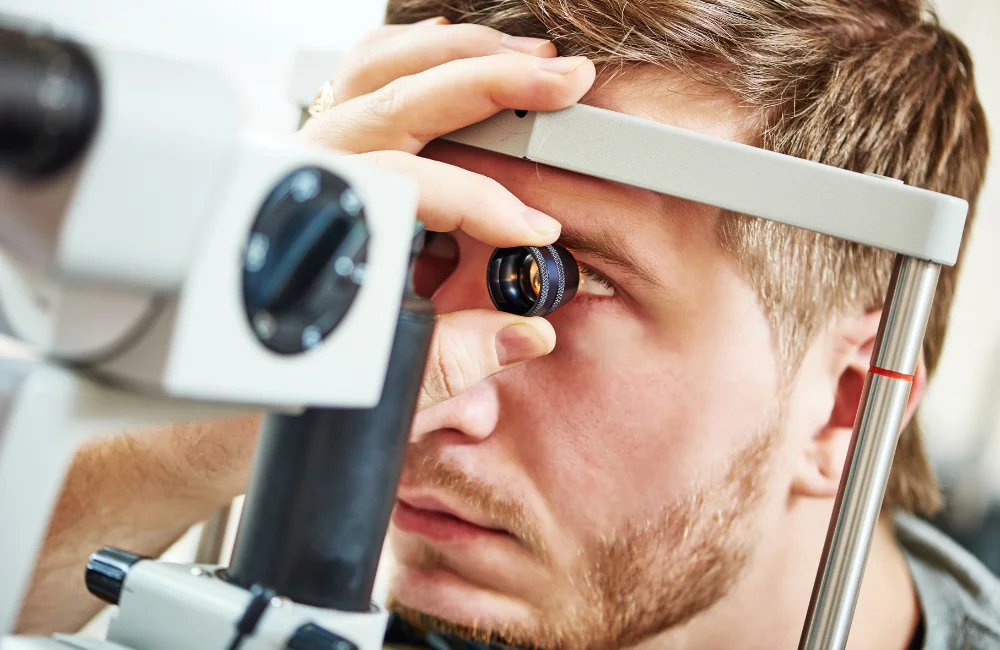
Each eye condition requires a different treatment approach. Glaucoma and cataracts must be diagnosed and treated by a qualified ophthalmologist, as each disease affects vision differently and carries varying levels of severity. Proper and timely treatment can help prevent serious complications and preserve vision.
Glaucoma
Treatment for glaucoma focuses on reducing intraocular pressure to a safe level. The treatment method depends on the severity of the disease and may include medicated eye drops that decrease fluid production or improve fluid drainage, laser procedures that enhance the eye's drainage system, or surgery in more advanced cases. Regular follow-up examinations are essential because glaucoma is a chronic condition that requires long-term management and can lead to blindness if left untreated.
Cataracts
Cataracts and glaucoma require different treatment methods. Cataracts are treated through surgery, during which the cloudy natural lens is removed and replaced with an artificial intraocular lens (IOL). The procedure typically takes about 15–30 minutes and is usually performed under local anesthesia without the need for general anesthesia. Patients can generally return home on the same day. After surgery, it is important to avoid getting water into the eye and refrain from heavy lifting for approximately 1–2 weeks. Vision often begins to improve within 1–2 days after the procedure.
Pinguecula
Pinguecula is a condition that differs from glaucoma and cataracts. It is characterized by a yellowish, raised growth on the conjunctiva, often resulting from long-term UV exposure and eye irritation. Treatment depends on the severity of symptoms. In mild cases, lubricating eye drops may be recommended to reduce discomfort, while anti-inflammatory medications may be prescribed if irritation occurs. Surgical removal is generally considered only when the growth becomes cosmetically concerning or causes significant discomfort.
Pterygium
While pinguecula, pterygium, cataracts, and glaucoma are all different eye conditions, pterygium often requires surgical treatment when it becomes large or interferes with vision. The procedure involves removing the abnormal tissue that has grown onto the cornea and covering the area with the patient's own conjunctival tissue or a graft when necessary. Following surgery, anti-inflammatory and antibiotic eye drops are commonly prescribed. Patients should also protect their eyes from direct sunlight to reduce the risk of recurrence.
Article Summary
Glaucoma and cataracts are common eye diseases, but they differ significantly in both causes and treatment methods. Recognizing symptoms early and seeking prompt medical evaluation can help prevent complications that may lead to vision loss. Treatment should always be carried out under the supervision of an experienced ophthalmologist. In addition to eye diseases, eyelid abnormalities can also affect eye health and vision. For individuals interested in double eyelid surgery at an eye surgery clinic, Sky Clinic offers consultations with experienced ophthalmologists specializing in double eyelid surgery, epicanthoplasty (inner corner eye surgery), ptosis correction, hidden brow scar techniques, under-eye fat repositioning, and eye bag removal, ensuring personalized treatment tailored to each patient's needs.
Source : -