


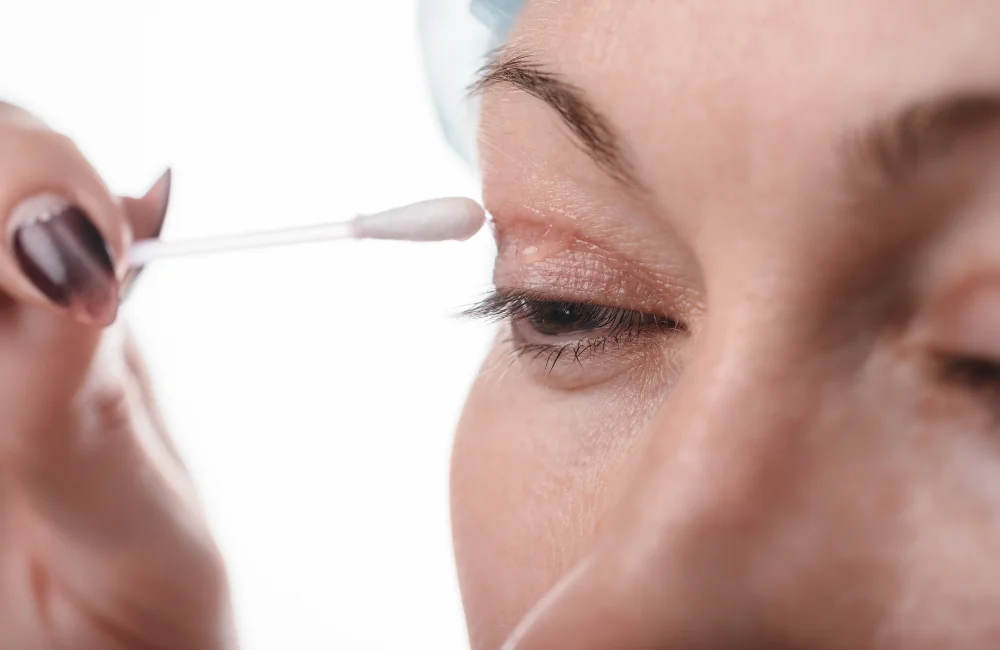
How to Fade Surgical Stitch Scars: Tips and Treatment Options




Having smooth skin after double eyelid surgery or other cosmetic procedures is something everyone wants. However, sometimes scars left after stitches may become a concern. This article will introduce everyone to the types of scars, appropriate care and treatment guidelines, and the proper methods for removing stitch scars to help fade and allow the skin in that area to return as close to its original condition as possible.
How Many Types of Scars Are There?
Before looking at scar treatment methods, it is important to understand what stitch scars or other types of scars look like, because each type of scar requires different care. Knowing the types of scars will help us manage them and choose the right treatment method for smoother and more attractive-looking skin.
Hypertrophic Scar
A hypertrophic scar is a scar that appears thick and raised above the normal skin surface. However, the scar does not extend beyond the boundary of the original wound. It is often red or pink in the early stage and may be accompanied by itching. This type of scar occurs when the body produces too much collagen during the wound-healing process. In general, hypertrophic scars usually gradually flatten and fade over time, although this may sometimes take a long time.
Keloid
A keloid is a raised, firm scar that often grows clearly beyond the boundary of the original wound. It may be dark red, pink, or darker than the surrounding skin and is often accompanied by itching or pain. Keloids occur due to an abnormal skin repair process, in which collagen continues to be produced excessively. This type of scar can occur in anyone, but it is more common in people with a family history of keloids or in areas of the skin with high tension.
Atrophic Scar
Atrophic scars are scars that appear sunken or depressed below the normal skin level. They occur when collagen and elastin tissue beneath the skin is damaged during inflammation or the wound-healing process, preventing the skin in that area from fully regenerating replacement tissue. They are commonly found after inflamed acne, chickenpox scars, or wounds caused by injuries that reach deep into the dermis. Atrophic scars may vary in size and depth.
Accident Scars
Accident scars may be stitch scars or wounds that did not require stitches. Their appearance and severity vary depending on the cause, injury mechanism, depth, and location of the wound. These scars may appear as hypertrophic scars, keloids, atrophic scars, or contracture scars. Treatment must therefore be considered on a case-by-case basis to achieve the best results and reduce the chance of clearly visible permanent scarring.
Surgical Wound
A surgical wound is a wound caused by making an incision in the skin for medical treatment, such as eye revision surgery or other cosmetic procedures. In general, doctors try to suture wounds as neatly as possible and minimize scarring. However, factors such as suturing technique, post-surgical wound care, and each person’s skin characteristics can affect the appearance of stitch scars that may form. Proper care is therefore very important.
How to Care for Surgical Stitch Scars to Fade
Once you understand the types of scars, the next step is to learn how to care for surgical stitch scars to fade. There are many methods to choose from, and each method is suitable for different scar characteristics and skin conditions. Consulting a specialist at a specialized eye clinic can help us choose the method that provides the best results for our concerns.
Apply Scar-Reducing Cream
Using topical medication is an accessible and popular method for caring for early-stage scars. These topical products often contain ingredients such as silicone gel, vitamin E, onion extract, or other moisturizing agents that help soften scars, reduce raised texture, and fade scar discoloration. Scar-reducing products should be started once the wound is completely dry and no longer inflamed, and they should be used consistently as recommended to achieve good results.
Tattooing Over Scars
Tattooing over scars, also known as Medical Tattooing or Scar Camouflage, is a technique that uses medical-grade pigment tattooed into the skin over the scar area to adjust the scar color so it closely matches the surrounding skin tone. This makes the scar appear lighter and blend more naturally with the skin. This method is suitable for scars that are pale or different in color from normal skin, and the scar must be completely flat and no longer raised.
Scar Massage
For hypertrophic scars or keloids, gently massaging the scar area regularly can help reduce tightness in the scar tissue, improve blood circulation, and encourage the scar to soften and flatten more effectively. Massage should begin only after the wound has fully closed and is no longer painful. It may be done together with a moisturizing cream or oil to reduce friction during massage. Proper and consistent massage can help scars look better in the long term.
Laser Scar Removal

Laser technology is another effective option for removing stitch scars. Several types of lasers can be used for treatment, such as lasers that help reduce redness, reduce raised scars, or stimulate new collagen production to make the skin smoother. The choice of laser type depends on the characteristics of the scar and each person’s needs, and the treatment must be performed only by a qualified specialist.
Scar Injection Treatment
Injecting medication directly into the scar is a commonly used method for treating hypertrophic scars and keloids. The medication used is usually in the steroid group, which helps reduce inflammation and inhibit excessive collagen production. This makes the scar softer, flatter, and lighter in color. Multiple injections may be required, usually spaced about 4-6 weeks apart, depending on how the scar responds and the assessment of the treating doctor.
Chemical Peels with Fruit Acids
Chemical peels with fruit acids involve applying mildly acidic chemical substances, such as AHA or BHA, to the skin to accelerate the shedding of old, dead skin cells and reveal fresher, new skin. This method can help fade dark marks, redness from superficial scars, and make the overall skin look smoother. It is suitable for scars that are not very deep and should be performed by a specialist to prevent possible side effects.
Scar Revision Surgery
In cases wherestitch scarsare large, contracted, or have a very undesirable appearance, scar revision surgery may be a suitable option. The wound is carefully re-sutured using special techniques to create a new scar that is smaller and looks better. In some cases, the doctor may surgically remove the original scar tissue and may combine it with skin or tissue transfer from another area to help close the wound.
Filler Injection to Fill Scars
Filler injection is a method used to fill atrophic scars. The commonly used filler is hyaluronic acid, which helps fill in depressed or sunken areas, making the skin in that area appear shallower and smoother. The results are not permanent and generally last about 6-18 months, depending on the type of filler and each person’s response. After that, repeat injections may be needed.
Summary

Caring for and removing surgical stitch scars can be done in many ways, from applying topical products and massage to using medical technologies such as laser treatment, injections, or even scar revision surgery. Choosing the right method depends on the type and characteristics of the scar, as well as recommendations from a medical specialist. For those who have undergone eye surgery and want close care from a doctor, you can consult the expert ophthalmologists at Sky Clinic, who specialize in Double Eyelid Surgery, Epicanthoplasty (inner corner opening of the eyes), Ptosis Correction, Subbrow Lift, and Under-Eye Bag Removal to receive treatment that is suitable for your concerns.
Source : -