


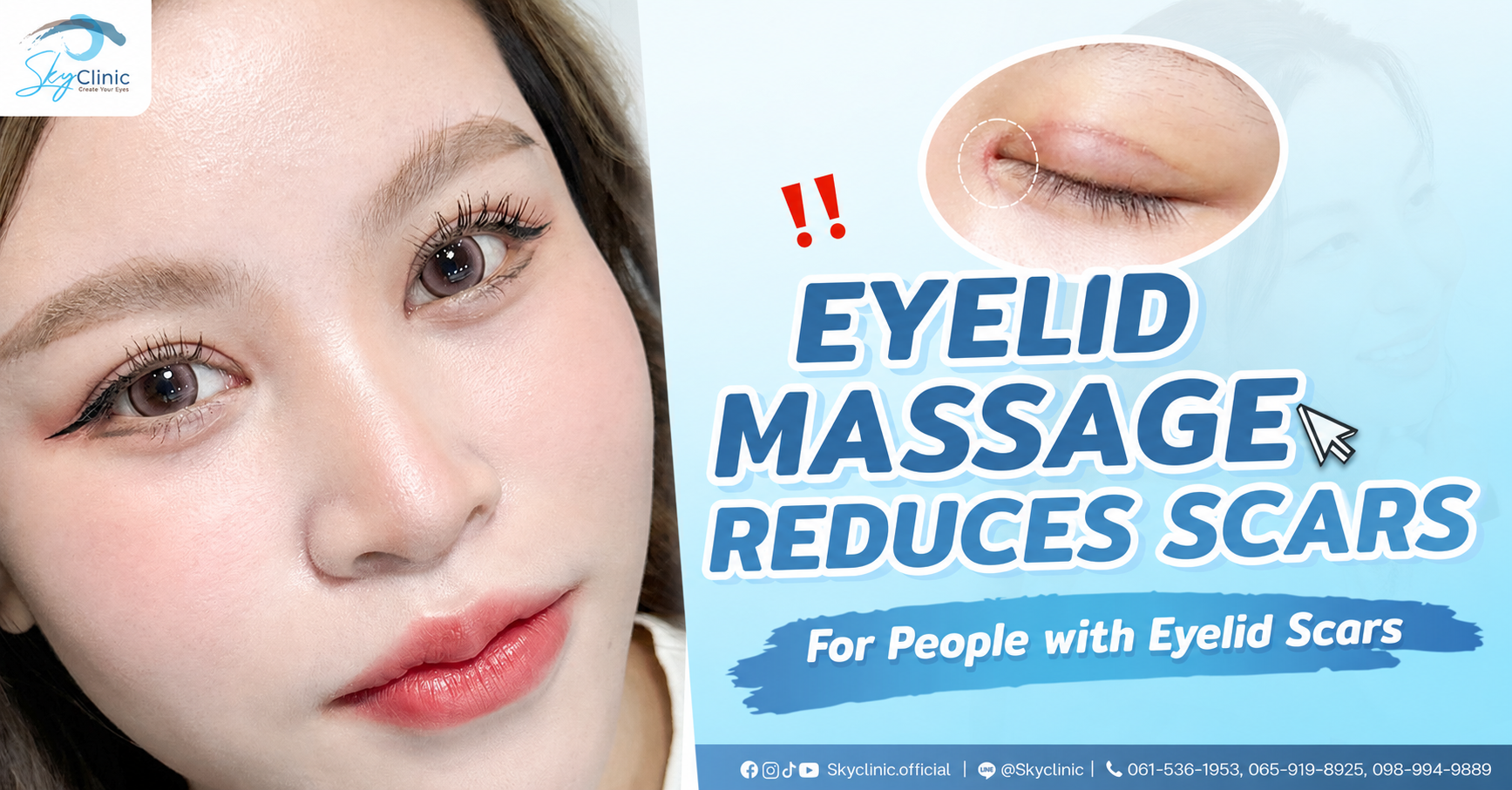
How to massage your eyes to reduce keloids




Many people interested in eyelid surgery may have heard of "keloids." Keloids are raised scars that expand beyond the original wound, causing some people to worry when considering double eyelid or inner corner eye surgery. So how do keloids form, and are there ways to care for or prevent them? We'll explain it in simple terms in this article.
Keloids result from the body's overactivity in its wound repair process. When the skin is injured, such as from surgery, the body produces collagen to repair the wound. However, in some cases, the body produces too much collagen, resulting in accumulation and the formation of a raised, hard scar. This scar may be redder or darker than the normal skin.
Factors that may cause keloids include:
1. Genetics: People with a family history of keloids have a higher risk.
2. Scar location: Keloids often occur in areas of skin that are taut or elastic, such as the inner corner of the eye, shoulder, or chest.
3. Improper wound care: Infection or frequent pressure on the wound can trigger keloid formation.
4. Skin color: People with darker skin are more likely to develop keloids than those with lighter skin.

The method of treating keloids by massaging the eyelids can be done as follows:
1. Apply scar-reducing cream to the scar area: This helps to make the massage smoother, prevents skin friction, and helps reduce scarring. 2. Place a clean, soft tissue or gauze pad over the inner corner of the eye: This prevents direct contact between your hands and the scar. Unclean hands may increase the risk of infection. 3. Massage the inner corner of the eye: Use your fingertips to gently press on the hard, lumpy area at the inner corner of the eye. Apply moderate pressure; do not press too hard. Massage in a clockwise circular motion. Continue massaging for 5-10 minutes per day to soften the keloid scar.
**Caution**
Do not use your fingernails to pick at the keloid scar, and avoid pressing too hard. You can begin massaging the scar 3 days after the stitches are removed.
Other methods for treating keloid scars include massaging the inner corner of the eye, such as injecting steroids to help shrink and soften the keloid, or frequent cold compresses to relieve pain and itching. The treatment method depends on the size of the keloid and should be determined by a doctor.
Example of a patient case undergoing double eyelid surgery combined with epicanthoplasty (opening the inner corner of the eye) performed at Sky Clinic by a skilled ophthalmologist.

Although double eyelid surgery and epicanthoplasty carry a risk of keloid formation (raised scars) at the surgical site, prioritizing proper post-operative care as advised by your doctor can help achieve better results and reduce the risk of keloid formation.
**However, keloid formation can vary from person to person depending on several factors, including genetics and how the wound is cared for.**
If you have had double eyelid surgery combined with eyelid opening and are experiencing keloid symptoms, you can try massaging the inner corner of the eye using the method described above. But if you are concerned about keloids or feel that the keloid scar is quite large, it is recommended to consult a doctor for proper and appropriate treatment.
Source : Sky Clinic