



Tips for Achieving Natural-Looking Korean-Style Eyes




Natural-looking eyelid creases inspired by Korean beauty trends remain a popular choice. Many people are interested in Korean-style eye surgery or hidden double eyelids to create a brighter and softer appearance. However, achieving a delicate, natural-looking eyelid crease without making the eyes look too harsh or unnatural requires more attention to detail than you may think. This article explores key tips and techniques for achieving beautiful, natural-looking results while prioritizing safety.
Is Korean-Style Eye Surgery Different for Women and Men?
In principle, the techniques used for Korean-style eyelid surgery or subtle double eyelid creases are similar for both women and men. However, the design of the eyelid crease may be adjusted based on each person’s facial features, eye structure, and aesthetic preferences. For women, some may prefer a softly curved eyelid crease that makes the eyes appear sweeter and more open. For men, a lower and more subtle crease may be preferred to maintain a defined and natural-looking appearance without making the eyes look overly feminine.
Techniques Used for Korean-Style Eye Surgery
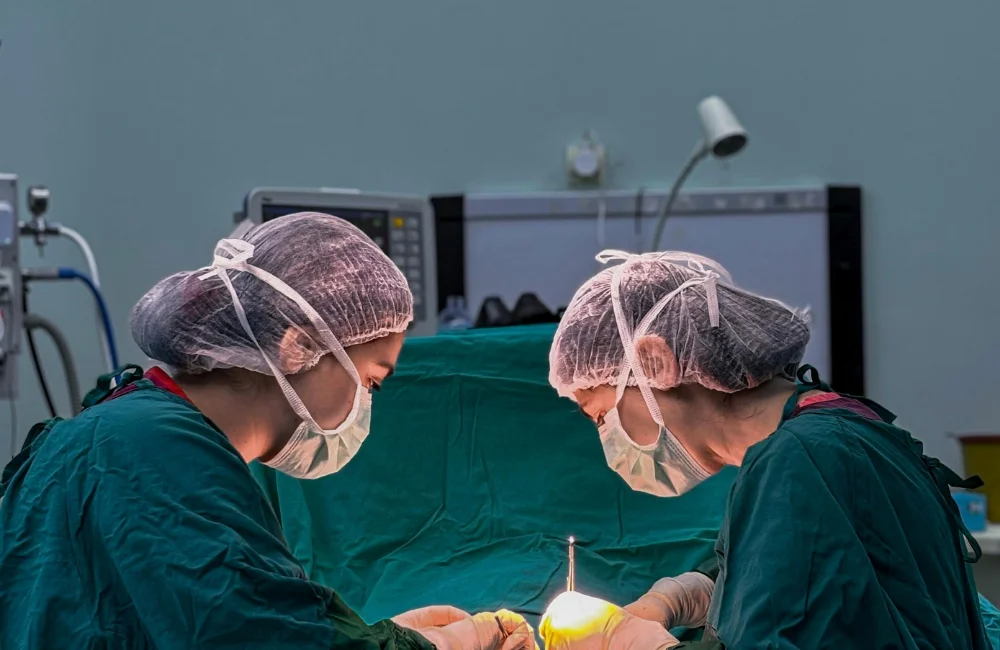
There are various techniques for creating a beautiful, natural-looking eyelid crease. The ophthalmologists at our eyelid surgery clinic will assess each patient’s eye structure and specific concerns to select the most appropriate technique for each individual. The main techniques commonly used include the following:
Small-Incision Technique
This technique is suitable for people with minimal eyelid fat and mild eyelid skin laxity. An ophthalmologist makes a small incision to create a new eyelid crease. Its advantages include less swelling and bruising, a relatively short recovery period, and natural-looking results for hidden double eyelid surgery in the Korean style. The crease is not overly deep, creating an appearance similar to naturally occurring double eyelids, which reflects the soft and subtle aesthetic of the Korean look.
Long-Incision Technique with Eyelid Skin Refinement
For people with a significant amount of eyelid fat, excess eyelid skin, droopy eyelids, or multiple eyelid creases, the long-incision technique can be a suitable option. An ophthalmologist can remove excess fat and trim excess eyelid skin as appropriate, creating a well-defined, attractive, and long-lasting eyelid crease. This technique can also be used for revision eyelid surgery or more complex eyelid cases, helping address specific concerns and create a more balanced, natural-looking eyelid crease.
Epicanthoplasty
Epicanthoplasty, or inner corner eye opening surgery, is an additional technique often performed alongside double eyelid surgery. This procedure can help make the eyes appear wider and more defined, creating a brighter and more balanced overall appearance. It is another important technique for achieving a complete Korean-style eye look, rather than focusing solely on the eyelid crease.
Who Is Korean-Style Monolid Eye Surgery Suitable For?
This technique may be suitable for people with monolids, uneven eyelid creases, or those who want to create a beautiful yet natural-looking eyelid crease without making it too high or deep. It is also suitable for those who want to make their eyes look brighter and more youthful or refine an existing eyelid crease after previous surgery for a softer, more natural appearance. Korean-style monolid eye surgery may help address these concerns while creating a subtle, balanced look.
Before-and-After Reviews of Korean-Style Eye Surgery
Comparing before-and-after photos from Korean-style eye surgery can help illustrate changes in the eyelid crease and overall eye shape. The following examples show how results may vary depending on each individual’s eye structure and treatment approach.
Korean-Style Eye Surgery Price
The cost of Korean-style eye surgery at Sky Clinic depends on the ophthalmologist’s assessment of each individual’s eye structure and specific concerns. The starting price varies depending on the technique selected, such as the small-incision technique, long-incision technique with eyelid skin refinement, or a combination of procedures. We recommend an in-person consultation to receive an accurate cost estimate.
Summary
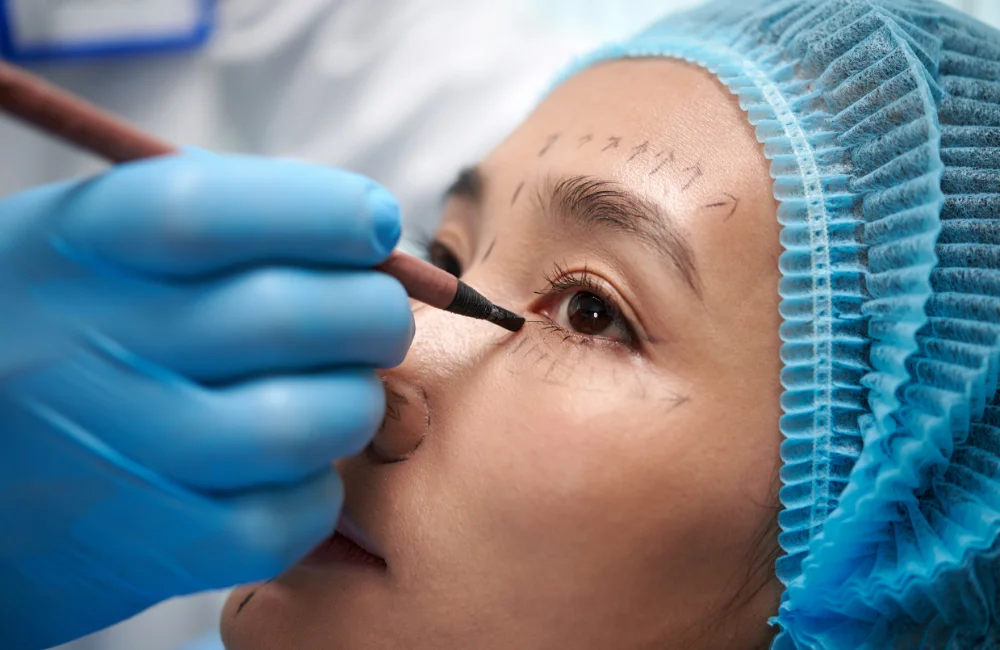
Achieving beautiful, natural-looking Korean-style eyes requires a detailed assessment of the eye structure and selection of the most appropriate technique for each individual. Options may include the small-incision technique, long-incision technique with eyelid skin refinement, or epicanthoplasty, depending on each person’s eye structure and aesthetic goals. These techniques can help create a soft, elegant eyelid crease that complements the facial features. Those interested can consult the experienced ophthalmologists at Sky Clinic, who specialize in Double Eyelid Surgery, Epicanthoplasty (inner corner eye opening), Ptosis Correction (weak eyelid muscle adjustment), Subbrow Lift, and Under-Eye Fat Removal Surgery to determine the most suitable treatment for their individual concerns.
Frequently Asked Questions About Korean-Style Eye Surgery
People considering Korean-style eye surgery or subtle double eyelid surgery often have questions about preparation and post-operative care. This section brings together frequently asked questions to provide helpful guidance and a better understanding of the procedure and what to expect.
How Should You Prepare for Korean-Style Eye Surgery?
You should inform your ophthalmologist about any underlying medical conditions and medications you regularly take. In general, certain blood-thinning medications, vitamins, and supplements may need to be discontinued 1–2 weeks before surgery, as advised by your doctor. You should also avoid alcohol and smoking to help reduce the risk of excessive bleeding and support proper wound healing.
Is General Anesthesia Used During Korean-Style Eye Surgery?
Korean-style double eyelid surgery is often performed under local anesthesia injected around the eyelids, so general anesthesia is not typically required. The patient remains conscious and can open their eyes as instructed by the ophthalmologist during the procedure, allowing the doctor to assess the eyelid crease and its proportions according to the planned design.
How Long Does It Take for the Eyelids to Settle After Korean-Style Eye Surgery?
During the first week, some swelling around the eyelids is normal. A cold compress may be used to help reduce swelling, as recommended by your doctor. Over the following 1–3 months, the swelling will gradually subside, and the eyelid crease will begin to look more natural. The time it takes for the eyelids to fully settle varies depending on each individual's eye structure, healing process, and post-operative care.
Source : -