


What Causes Blocked Meibomian Glands, Is It Dangerous, and Can It Go Away on Its Own?




The eyes are delicate organs that need to stay moisturized at all times. However, many people may experience dry eyes, burning sensations, or unexplained eye irritation. These symptoms may not simply be signs of ordinary fatigue but could be warning signs of blocked meibomian glands, a common condition as lifestyle habits continue to change. How severe can this condition be? What factors can trigger it, and how can we manage or care for our eyes? Let’s explore the answers in detail in this article.
What Are Blocked Meibomian Glands?
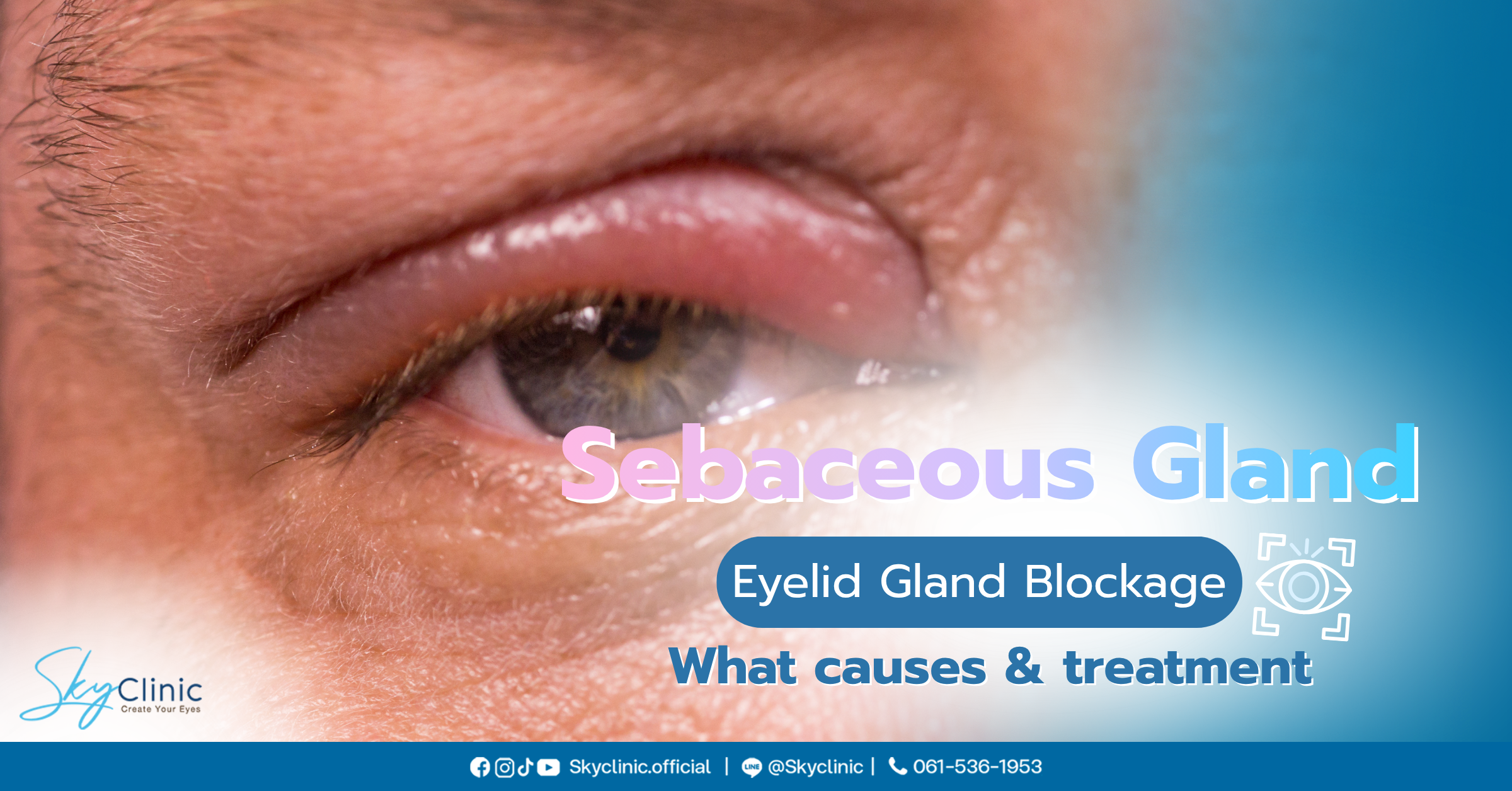
Blocked meibomian glands, or Meibomian Gland Dysfunction (MGD), are a condition involving abnormal oil production along the eyelid margins. Normally, the meibomian glands produce oil that coats the tear film to prevent tears from evaporating too quickly. However, when the meibomian glands in the eyelids become blocked, the secreted oil becomes thick and sticky and remains trapped inside the glands. This causes the tear film on the surface of the eye to evaporate quickly, leading to irritation and significantly reducing tear quality.
Noticeable Symptoms of Blocked Meibomian Glands
Warning signs of abnormalities along the eyelid margins often begin with mild symptoms that many people may overlook. However, if you notice them, these abnormalities can significantly interfere with daily life, especially by causing eye discomfort. Noticeable symptoms include:
Temporary reduced visual clarity, with blurred vision that gradually improves after repeated blinking.
Dry eyes, burning sensations, and eye redness, or in some cases, increased sensitivity to bright light.
A sensation of irritation, as if there is sand or a foreign object in the eye, causing discomfort.
Excessive tearing or an accumulation of excessive eye discharge around the inner corners of the eyes.
Inflammation causes the eyelids to become red and swollen, sometimes with dry crusts forming around the base of the eyelashes.
A history of recurrent styes occurring repeatedly in the same area or more frequently than usual.
What Causes Blocked Meibomian Glands?
The factors that cause blockage of the meibomian glands in the eyelids are varied, including age-related changes in the body, lifestyle habits, and environmental conditions encountered in daily life. The main factors that can affect the normal function of the oil-producing glands include:
Prolonged Screen Time: Using smartphones or computers for several hours continuously can cause us to concentrate so much that we forget to blink. This reduces the normal contraction of the meibomian glands, preventing enough oil from being released to coat the surface of the eyes.
Contact Lens Use: Regular contact lens use can interfere with the natural blinking pattern, making the eyes more prone to dryness, causing friction, and creating an environment where dirt can accumulate and block the openings along the eyelid margins.
Makeup Residue: Applying makeup around the eyes, especially eyeliner close to the eyelid margins, can easily block the openings of the meibomian glands if it is not thoroughly removed.
Age-Related Factors: After the age of 40, the function of various organs, including the meibomian glands, may gradually decline. This can cause an imbalance in oil production and make blockage more likely.
Effects of Pollution: Exposure to extremely dry air, dust, and toxic fumes can irritate the eyes and affect the normal mechanism of oil secretion.
Health Conditions and Underlying Diseases: Allergic conjunctivitis, certain skin conditions such as rosacea, high blood pressure, and side effects from certain medications, such as acne medications or psychiatric medications, can all affect the function of the meibomian glands.
Are Blocked Meibomian Glands Dangerous If Left Untreated for a Long Time?
If abnormalities are detected but proper treatment is neglected, the condition may become more severe and potentially lead to permanent damage. The glands that once produced oil may gradually lose their function and atrophy until they eventually stop working, making future treatment more complicated. In severe cases, symptoms may include eyelid pain, severe chronic dry eyes, and an increased risk of conjunctival infection, even though there may be almost no noticeable symptoms in the early stages.
How Are Blocked Meibomian Glands Treated?

Restoring the eyes to a normal condition can be achieved through several approaches, focusing on dissolving blocked oil and restoring moisture balance. Consistent care can help significantly reduce the severity of symptoms. Recommended approaches include the following.
Warm Compress for the Eyelids
Using an appropriate level of heat is a very important first step. Use a warm compress, gel eye mask, or a cloth soaked in warm water at approximately 40°C and place it over both eyelids for 10–15 minutes. The heat helps loosen the thickened oil inside the gland ducts, softening the oil so it can be released more easily in the next step. This should be done regularly for better results.
Eyelid Massage to Help Release Blocked Oil
After the oil has softened, use clean fingers or a cotton swab to gently massage along the eyelid margins. For the upper eyelid, massage downward from top to bottom, while for the lower eyelid, massage upward from bottom to top. Apply gentle pressure in a squeezing motion to help release the oil trapped inside the glands and allow it to coat the surface of the eyes.
Proper Eyelid Margin Hygiene
Cleanliness is something that should not be overlooked. It is recommended to use a product specifically designed for eyelid cleansing or a gentle baby shampoo diluted with water. Apply it to a cotton swab and gently wipe along the base of the upper and lower eyelashes to remove old oil deposits, dandruff flakes, eye discharge, and makeup residue. This can help reduce the accumulation of bacteria that may lead to inflammation or styes.
Using Artificial Tears and Medications as Recommended by a Doctor
If you experience severe dry eyes or irritation, preservative-free artificial tears can help increase moisture and relieve eye discomfort. In cases of severe inflammation or a secondary infection, a doctor may consider prescribing steroid eye drops to reduce redness and swelling or antibiotics to treat bacterial infections. All medications should be used under the close supervision and guidance of an ophthalmologist.
Eyelid Spa: An Option for Caring for the Meibomian Glands
Eyelid Spa is a modern approach that provides deep cleansing and restoration performed by specialists. The process includes applying a warm compress using equipment that precisely controls the temperature, properly massaging the eyelids to release the oil, and cleansing the base of the eyelashes with a specialized solution. This method is suitable for people with chronic problems or those who do not have time for self-care, helping restore eye comfort and maintain healthy eyes.
Consult Sky Clinic for Eyelid Surgery and Endoscopic Brow Lift Techniques
If you have concerns about the area around your eyes that makes you look less refreshed, excessive upper eyelid fat that causes drooping eyelids, or uneven, sagging eyebrows, Sky Clinic provides care using the Endoscopic Brow Lift technique. This technique helps lift and tighten the upper face and adjust the eyebrows to a more balanced shape, making it suitable for those who want to restore confidence in their appearance.
Frequently Asked Questions About Blocked Meibomian Glands
When facing eye health problems, it is natural to have many questions about proper care and treatment options. We have compiled some of the most common questions and concerns to help provide a better understanding of how to properly manage symptoms and prevent them from recurring.
What Is the Difference Between Blocked Meibomian Glands and a Stye?
A stye is caused by an acute bacterial infection of the oil glands, resulting in a pus-filled bump, redness, swelling, and noticeable pain. In contrast, blocked meibomian glands are a chronic condition that is not caused by an infection in the early stages, often causing dry eyes, eye irritation, and mild eyelid inflammation. If left untreated, the condition may develop into a stye.
Can Blocked Meibomian Glands Be Completely Cured?
This condition is often a chronic problem that may not be completely cured, but the symptoms can be controlled and managed so you can return to your normal daily life. By adjusting your habits, regularly cleaning the eyelid margins, and applying warm compresses, you can help prevent symptoms from recurring.
How Many Times a Day Should You Apply a Warm Compress?
During periods of severe symptoms, it is recommended to apply a warm compress twice a day, in the morning and evening, for approximately 10–15 minutes each time. Once symptoms improve or for preventive care, you can reduce this to once a day before bedtime, which is sufficient to help improve oil drainage.
Summary

Taking care of your eye health is important and should not be overlooked. If you notice any signs of abnormalities along the eyelid margins, you should promptly adjust your habits and maintain proper hygiene to help prevent permanent damage to the meibomian glands. However, if you are looking for an Eye Surgery Clinic to address other eyelid concerns, you can consult an ophthalmologist at Sky Clinic, which offers Double Eyelid Surgery, Medial Epicanthoplasty, Ptosis Correction, Subbrow Lift, Under-Eye Bag Removal Surgery, and Endoscopic Brow Lift Surgery for treatment suited to your concerns.
Source : -