


Night Blindness or Nyctalopia: Causes, Symptoms, and How to Prevent It




Clear vision is essential for daily life. But have you ever noticed why some people struggle to see in the dark or when walking into dimly lit places? These symptoms are not to be ignored, as they may be warning signs of night blindness, a silent condition that can affect safety and daily activities, especially for those who drive at night or work in low-light environments. Understanding the causes and proper ways to manage this condition is important and should not be overlooked.
What Is Night Blindness or Nyctalopia?
Night blindness (Nyctalopia) is a condition where vision significantly decreases in low-light environments or at night, even though daytime vision may remain normal. In Thailand, it is commonly referred to as “chicken blindness” because chickens tend to stay still and cannot see well in the dark. Night blindness is not a disease itself, but rather a symptom that reflects problems with the rod cells in the retina. These cells help us see in low-light conditions. If they do not function properly or lack essential nutrients, the eyes may struggle to adjust from bright environments to dark ones.
Causes of Night Blindness
Night blindness can be caused by several factors, ranging from nutrition issues to underlying eye diseases:
Vitamin A deficiency and nutritional problems
Vitamin A is a key component of rhodopsin, a pigment in the retina that helps with night vision. If the body does not receive enough vitamin A through the diet, or if there are fat-absorption issues (since vitamin A is fat-soluble), vision may be affected.
Cataracts
When the eye’s lens becomes cloudy due to aging, light cannot pass through effectively to the retina, making vision in low-light conditions worse.
Myopia (Nearsightedness)
People with severe nearsightedness often have more difficulty seeing distant objects in the dark compared to others.
Retinitis Pigmentosa
This is a genetic disorder that causes gradual deterioration of retinal cells. It often begins with peripheral vision loss and difficulty seeing in the dark.
Complications from other conditions
Conditions such as diabetes-related retinal problems or severe light sensitivity may also affect how the eyes adjust to darkness.
Symptoms and Warning Signs of Night Blindness
If you experience the following symptoms, you should consult an experienced ophthalmologist for a proper diagnosis:
- Difficulty seeing clearly in dim environments, such as taking longer than usual to adjust when entering a movie theater
- Trouble driving at night, including blurry vision, difficulty seeing road signs, or glare from oncoming headlights
- Frequently bumping into objects in the dark due to poor depth perception
- Dry and irritated eyes, especially in severe vitamin A deficiency cases, which may also cause Bitot’s spots (small white patches on the whites of the eyes)
How to Prevent Night Blindness Caused by Vitamin A Deficiency
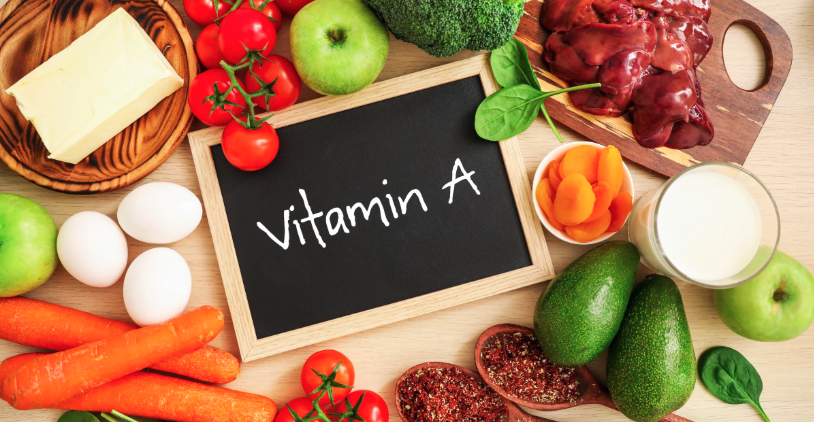
Proper nutrition is one of the easiest and most effective ways to prevent night blindness related to nutrient deficiency.
Eat Foods Rich in Vitamin A
Focus on foods such as beef liver, egg yolks, milk, and oily fish, which provide vitamin A in a form the body can use immediately.
Eat Colorful Fruits and Vegetables
Dark leafy greens (such as kale and spinach) and orange/yellow vegetables (such as carrots, pumpkin, and ripe papaya) contain beta-carotene, which the body can convert into vitamin A.
Eat Foods That Include Healthy Fats
Since vitamin A is fat-soluble, consuming healthy fats like olive oil or avocados can improve absorption.
Treat Digestive Health Issues
If you have digestive disorders that affect nutrient absorption, consult a doctor to address the root cause.
FAQs About Night Blindness
Can night blindness be cured?
If the cause is vitamin A deficiency, taking supplements as recommended by an ophthalmologist often improves symptoms within a few weeks. However, if it is caused by genetic conditions such as retinitis pigmentosa, treatment may only help slow progression.
Are people with nearsightedness at higher risk?
Yes. People with myopia may have more difficulty focusing in low-light conditions. If combined with weak eye muscles, distance judgment and focusing may become even more challenging.
Is eating beta-carotene-rich vegetables enough to prevent this condition?
For most people, yes. However, individuals with absorption problems or growing children may benefit more from animal-based vitamin A sources (retinol) because the body can use it more efficiently.
Summary

Night blindness does not always mean complete vision loss in the dark. It refers to difficulty functioning in low-light conditions, and in many cases, it is linked to nutrition and overall eye health. Regular eye exams are important to determine whether symptoms are caused by vitamin deficiencies or other hidden eye conditions. At Sky Clinic, our experienced ophthalmologists are ready to provide expert consultation and treatment for various eye concerns, from corrective eye procedures and Double Eyelid Surgery for drooping eyelids to treatment for weak eye muscles, helping improve both confidence and vision quality.
Source : -