


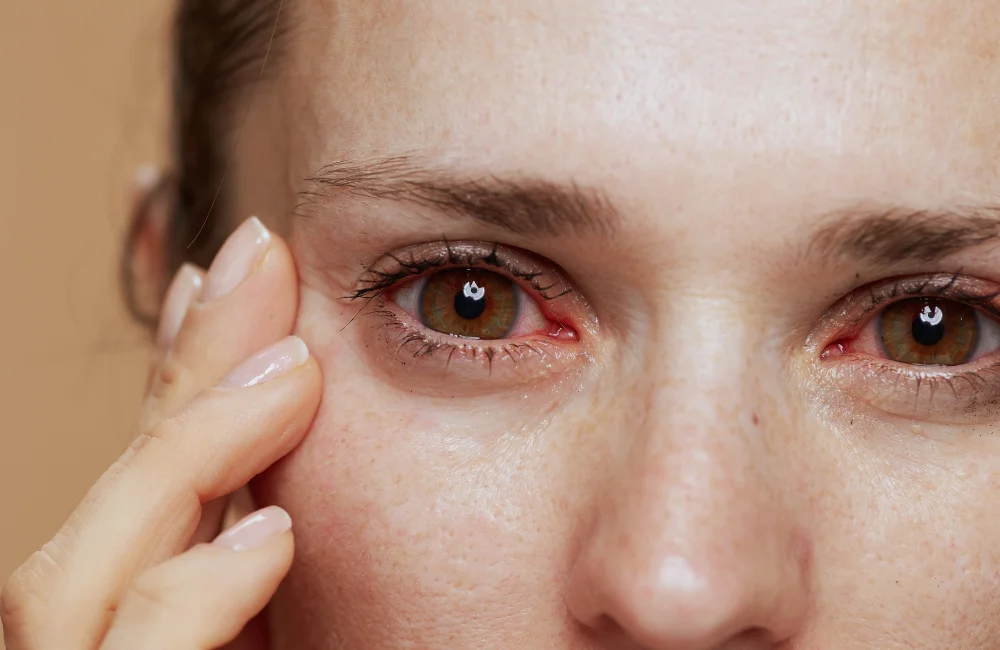
Pink Eye or Conjunctivitis: How Long Does It Take to Heal and How Is It Treated?




Pink eye, called conjunctivitis, is a condition that can cause anxiety for many people because it affects daily life. Many may wonder about the severity of the condition and how long it takes to heal. This article will provide a detailed understanding of pink eye, from its causes and symptoms to treatment and self-care tips to help your eyes recover as quickly as possible.
Symptoms of Conjunctivitis
The most noticeable symptom of pink eye is a reddening of the conjunctiva, but other symptoms may occur that vary from person to person. Some may experience only mild symptoms, while others may have severe symptoms that interfere with vision. Common symptoms include:
Red eyes or clearly visible blood vessels in the whites of the eyes
Itchy eyes or a feeling of irritation as if there is a foreign object in the eye
More eye discharge than usual, which may be yellow, green, or clear mucus
Excessive tearing or watery eyes
Swollen eyelids
A burning sensation or pain in the eyes
Sensitive to light (photophobia)
Blurred vision or difficulty seeing clearly (in some cases)
Causes of Pink Eye or Conjunctivitis
Pink eye or conjunctivitis can be caused by various factors, ranging from infections to environmental irritation. Understanding the root causes will help us prevent and manage this condition correctly. Let's look at some of the main causes of pink eye.
Viral Infection
Viral conjunctivitis is the most common cause of pink eye. It spreads easily through contact with infected bodily fluids such as tears or nasal mucus. The main viruses causing it are usually the same group that causes the common cold. Prominent symptoms include red eyes, excessive tearing, and possibly irritation. Generally, it resolves on its own within 1-2 weeks, and there is usually no direct antiviral medication. Treatment focuses on managing symptoms.
Caused by Bacteria
Bacterial conjunctivitis is another common cause of eye infection and is easily transmitted through contact, similar to viral infections. A key characteristic of bacterial conjunctivitis is a thick, yellow or green discharge that can cause the eyelids to stick together in the morning. This type of infection requires treatment with antibiotics in the form of eye drops or ointment to eliminate the bacteria and promote faster recovery.
How Many Days Does It Take for Pink Eye to Heal?
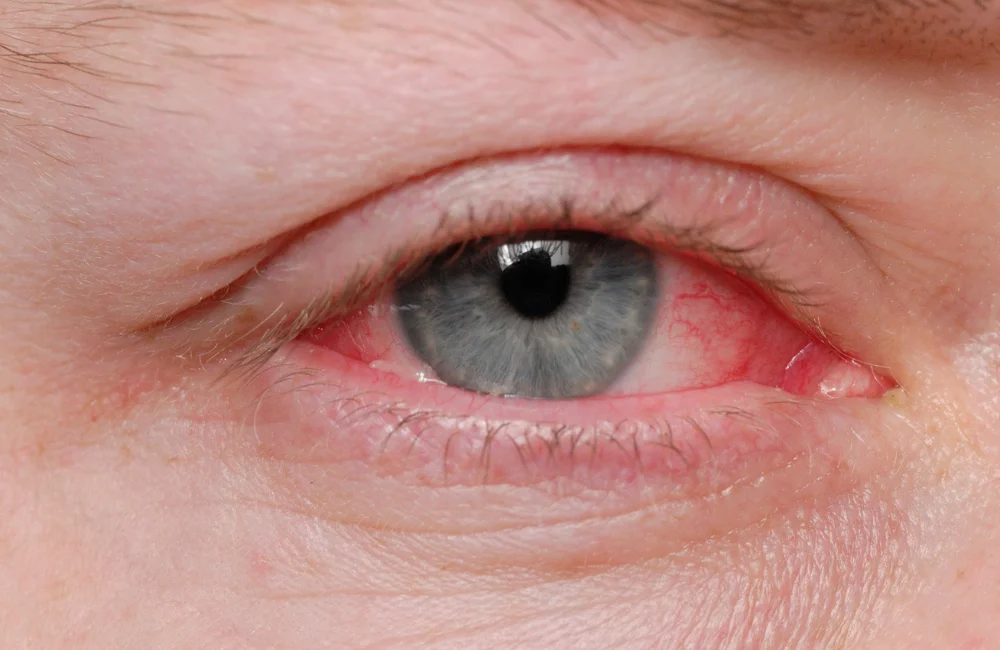
How long does it take for pink eye to heal? The recovery time from pink eye depends on the cause and severity of the symptoms. Generally, if it is caused by a viral infection, symptoms usually improve and resolve on their own within 7-14 days. Bacterial pink eye, if treated correctly with antibiotics, usually begins to improve within 2-3 days and completely resolves within a week. However, if symptoms do not improve or worsen, you should consult an ophthalmologist.
Preventing Pink Eye or Conjunctivitis
Prevention is the best way to avoid pink eye or conjunctivitis, and it can be easily achieved by maintaining good personal hygiene and avoiding risk factors. Following these tips will help reduce the chances of infection or eye irritation.
Wash your hands thoroughly with soap and water frequently, especially after touching public objects or before touching your face and eyes.
Avoid rubbing your eyes with your hands.
Do not share personal items with others, such as handkerchiefs, towels, glasses, or cosmetics.
If someone in your household has conjunctivitis, you should separate their personal belongings and frequently touched areas.
Exercise caution in crowded places, especially during outbreaks of conjunctivitis.
Wear protective eyewear when exposed to dust, wind, or chemicals.
For those who wear contact lenses, it is important to clean and replace them strictly according to the instructions.
Treatment of Pink Eye or Conjunctivitis
Proper self-care can help alleviate symptoms and promote faster recovery. It also helps prevent the spread of infection to others. It is important to rest your eyes and follow your doctor's instructions.
Rest your eyes and avoid staring at screens for long periods of time.
Apply a cold compress to the eye area to reduce swelling and irritation.
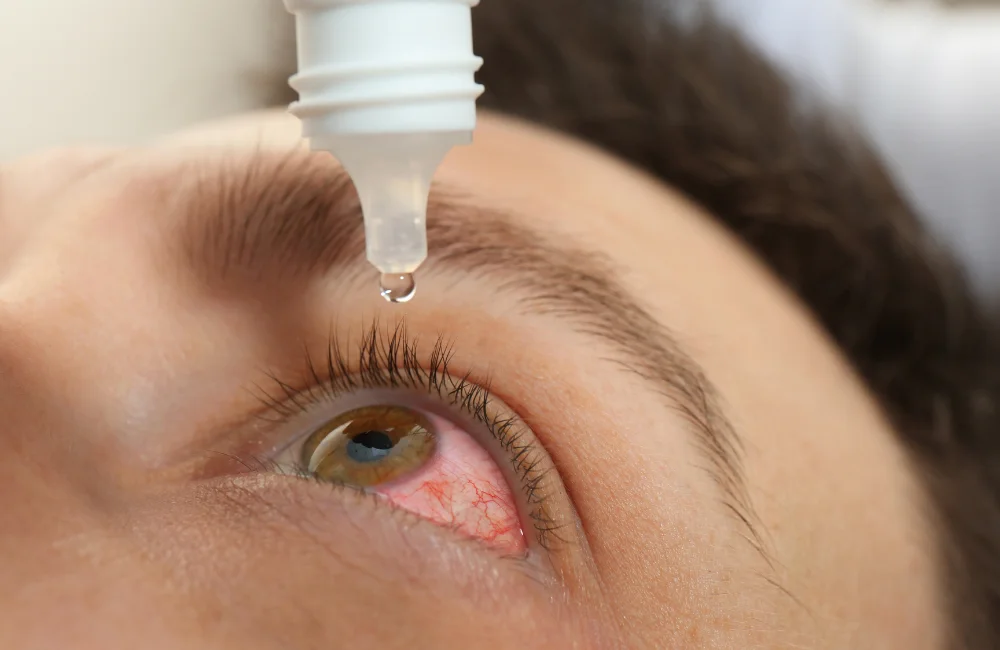
Use eye drops or eye ointment strictly as prescribed by your doctor.
Gently clean away eye discharge with a cotton swab moistened with clean water or saline solution.
Avoid wearing contact lenses until the symptoms have completely disappeared.
Avoid applying makeup around the eyes.
If symptoms do not improve within 2-3 days, or if you experience eye pain, blurred vision, or abnormal vision, you should see an ophthalmologist immediately.
Stop attending school or work to rest and prevent the spread of infection.
Who Is At Risk of Getting Pink Eye?
Although conjunctivitis can affect anyone, certain groups of people are at higher risk. Knowing these risk factors can help us take better care of ourselves and be more cautious.
Young children, especially school-aged children who are together in schools or daycare centers.
People who wear contact lenses regularly, especially if they don't maintain proper hygiene.
People with weakened immune systems
People who work or are in crowded or dusty environments.
People with a history of allergic eye disease.
People who have recently undergone eye surgery or have dry eye syndrome.
Summary
Pink eye or conjunctivitis is a condition where the conjunctiva, the membrane covering the eye, becomes inflamed, causing redness, itching, and discharge. Generally, it is not serious and will resolve on its own or with appropriate treatment within 1-2 weeks, depending on whether the cause is viral or bacterial. Maintaining good hygiene and avoiding contact with germs are the best preventive measures. If you experience symptoms, you should seek immediate medical attention and consult a doctor for proper treatment. For those looking for an eye clinic to address other eye concerns, Sky Clinic's expert ophthalmologists specialize in Double Eyelid Surgery, Epicanthoplasty (inner corner eye opening), Ptosis Correction (weak eyelid muscles adjustment), Subbrow Lift, and Under-Eye Fat Bags Removal, to receive treatment tailored to your specific needs.
Source : -