


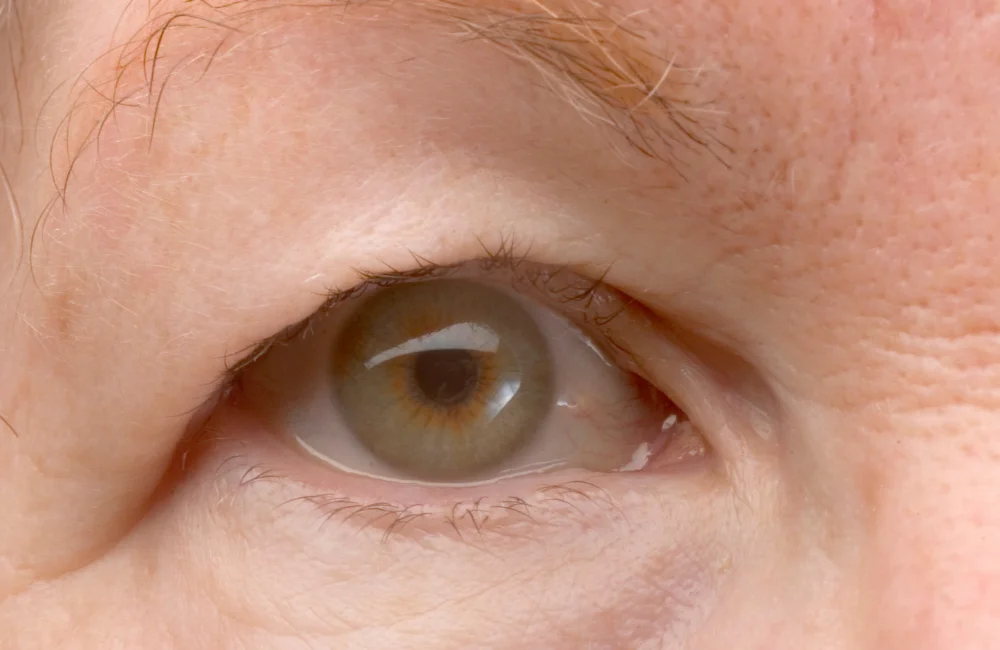
Droopy Eyelids in the Elderly: Causes, Treatments, and What You Should Know




As we age, physical changes are inevitable. One of the most common age-related concerns is droopy eyelids, which are often caused by sagging upper eyelid skin that may obstruct vision. This condition can affect both self-confidence and daily life. In this article, we will explore the underlying causes in detail, along with both surgical and non-surgical treatment options, to help readers make a more informed treatment decision.
Types of Droopy Eyelids in the Elderly You Should Know
Before proceeding with treatment, it is important to understand and distinguish the different types of droopy eyelids in older adults. Droopy eyelids in older adults can have different characteristics and underlying structural causes, which directly affect treatment planning and the selection of the most appropriate corrective method. Proper diagnosis and classification help ensure effective and safe treatment outcomes.
Droopy Eyelids
The key characteristic of this condition is that the upper eyelid margin remains in a normal position and does not cover the pupil. However, excess upper eyelid skin droops over the eyelid crease or eyelashes. This not only affects facial appearance but, in more severe cases, may also obstruct the upper visual field. It is commonly found in older adults, people who frequently rub their eyes, or those with prolonged exposure to ultraviolet (UV) radiation, which can contribute to skin damage around the eyes.
Weak Eyelid Muscles or Ptosis
This condition is different from general eyelid sagging because the upper eyelid margin drops below its normal position and covers part of the iris, making the eyes appear droopy and constantly sleepy-looking. This results in a dull and tired appearance. In more severe cases, the eyelid may droop low enough to partially cover the pupil, directly affecting vision. As a result, patients often need to raise their eyebrows to help keep their eyes open.
Causes of Droopy Eyelids in the Elderly
Periorbital sagging is not caused by ageing alone. Various environmental factors and internal physiological changes also contribute to this condition. The most common causes are as follows:
Degeneration of collagen and elastin: As we age, the body’s production of collagen and elastin decreases, causing the skin around the eyes to lose elasticity and firmness, leading to sagging.
Muscle function: The muscles responsible for lifting the eyelids may gradually weaken with age, making them less able to fully elevate the eyelids.
Subcutaneous fat: Excess fat in the eyelid area can increase the weight of the eyelids, causing the skin to droop and cover part of the eye.
Genetic factors: Some individuals may have an eye structure that is more prone to droopy eyelids, which can be inherited from family members.
Signs and Effects of Droopy Eyelids in the Elderly
Leaving droopy eyelids untreated not only makes the face appear older and more tired than its actual age, but it can also negatively affect quality of life in the long term more than many people realise. The main effects can be divided into three areas, as follows:
Vision: When the droopy eyelid covers part of the pupil, it narrows the visual field. Older adults may need to raise their heads or lift their eyebrows to see more clearly.
Appearance: It can make the face look sad, tired, and older than its actual age, which may reduce self-confidence in social situations.
Health: Constantly tensing the forehead muscles to lift the eyelids may lead to chronic headaches and eye fatigue.
Treatment for Droopy Eyelids in the Elderly
With advances in ophthalmic surgery, a variety of treatment options are now available. Ophthalmologists evaluate the eye structure, the amount of excess eyelid skin, and the severity of the condition to determine the safest and most appropriate treatment for each individual.
Surgical Treatment
For individuals with more severe droopy eyelids, surgery is considered the most effective and long-lasting treatment. Surgical techniques are designed to address different eye structures and the specific concerns of each patient, as follows:
A subbrow lift is a lifting technique in which the incision is hidden beneath the eyebrow. This method is ideal for patients who already have double eyelids and wish to maintain their natural eyelid creases. The surgeon removes excess skin without creating a new eyelid crease.
Blepharoplasty is a double eyelid surgery combined with the removal of excess upper eyelid skin. This technique is suitable for individuals with significant eyelid fat or those with monolids who wish to create a new eyelid crease. However, one consideration is that the scar may be more visible along the eyelid crease than with a hidden subbrow incision.
Non-Surgical Procedures
In cases where the condition is not severe or for individuals with health conditions that make surgery unsuitable, modern medical treatments can be another option to help reduce eyelid sagging.
Botox is an injection of botulinum toxin that helps relax the muscles. It can temporarily lift the eyebrows and outer eyelid area. It is suitable for people with mild eyebrow drooping.
HIFU uses high-intensity focused ultrasound energy delivered into the deeper layers of the skin to stimulate collagen production. It helps tighten the skin around the eyes but may not provide significant improvement in cases of severe droopy eyelids.
Eyelid Correction Techniques for Droopy Eyelids in the Elderly at Sky Clinic
Age-related droopy eyelids in the elderly not only make the face look tired and older, but can also obstruct vision and affect daily life. Sky Clinic focuses on safe eyelid surgical techniques specifically designed to correct eyelid problems in elderly patients, helping restore a more youthful and refreshed appearance, as follows:
Full-Incision Technique with Eyelid Skin Removal (Upper Lid Blepharoplasty)
This technique is well suited for older patients with significant eyelid sagging that partially covers the iris. The surgeon makes an incision along the eyelid crease to remove excess skin and fat, helping to restore a wider visual field. It also creates a new, well-defined eyelid crease, with the scar discreetly hidden within the natural eyelid crease.Subbrow Lift (Hidden-Incision Brow Lift Technique)
This technique is very popular among older patients who already have a well-defined eyelid crease but experience drooping of the upper eyelid or outer corner of the eye. Excess skin is removed, and the area is tightened, with the incision placed just below the eyebrow, making the scar virtually unnoticeable. It effectively corrects eyelid sagging, results in minimal swelling and bruising, and preserves the patient's original eye shape for a natural-looking outcome.Ptosis Correction (Weak Eyelid Muscle Adjustment)
Older adults often experience weakened or stretched eyelid muscles due to aging, resulting in droopy or partially closed eyes and a constantly tired appearance. This procedure adjusts and strengthens the eyelid lifting muscle to restore proper function, allowing the eyes to open more fully. It is often combined with double eyelid surgery to achieve both functional improvement and aesthetic enhancement.Mini-Blepharoplasty (Mini-Incision Technique)
This technique is suitable for older patients with mild eyelid sagging who want to improve hidden or poorly defined eyelid creases. A small incision of about 0.5–1.5 cm is made to remove excess fat and create a well-defined eyelid crease. It offers minimal bruising and swelling, with a faster recovery time, making it ideal for patients who prefer a shorter downtime.
Price of Droopy Eyelid Correction in the Elderly

Budget is an important consideration, and many people often ask how much droopy eyelid correction for older adults costs. In general, the cost varies depending on the clinic, the surgeon's expertise, and the complexity of the case. Treatment costs typically range from 10,000 to 100,000 baht. If special techniques or additional materials are required, the cost may increase accordingly. Consulting a doctor for a comprehensive eye assessment will help determine the exact cost and allow for proper financial planning.
Preparation and Precautions Before and After Surgery
For maximum safety and optimal treatment outcomes, proper physical preparation and postoperative self-care are just as important as the surgeon's skill. We have compiled the following important guidelines to help readers prepare for surgery and recovery.
Preparation and Precautions Before Surgery
The first step before undergoing surgery is to prepare your body in the best possible condition to reduce the risk of complications during and after the procedure. The following guidelines should be carefully followed:
Consult an experienced ophthalmologist to plan the treatment carefully
Provide a detailed medical history, including any underlying medical conditions, drug allergies, and current medications.
Stop taking blood-thinning medications, such as aspirin or warfarin, at least 7 days before surgery, or as directed by your doctor.
Discontinue all dietary supplements and vitamins as advised by your doctor.
Avoid smoking to reduce the risk of delayed wound healing.
Avoid consuming alcoholic beverages before surgery.
Do not wear makeup, and ensure that your face is thoroughly cleansed on the day of surgery.
Post-Operative Preparation and Precautions
The post-operative period is a crucial phase of recovery. Proper wound care helps reduce the risk of infection, minimise scarring, and allow the eyelid crease to settle more quickly. We recommend the following basic self-care guidelines:
Apply cold compresses to the eyes and forehead regularly during the first 3 days to help reduce swelling and bruising.
Sleep with your head elevated, keeping it higher than heart level during the first 3 days
Begin warm compresses after 3 days, applying them in the morning and evening for approximately 15 minutes each time.
Avoid getting the surgical wound wet for at least 10 days, or as advised by your doctor.
Do not touch, pick, or rub the eyes until the wound has fully healed
Take all medications as prescribed by your doctor and follow all postoperative instructions carefully.
Frequently Asked Questions About Droopy Eyelid Correction in the Elderly
Many older patients and their families have concerns and questions about droopy eyelid surgery. We have compiled the following frequently asked questions to help address common concerns and support informed decision-making before undergoing treatment.
What are the risks of untreated droopy eyelids in the elderly?
If left untreated, droopy eyelids can lead to more than just cosmetic concerns. The main risk is obstruction of the visual field, which reduces visual function and increases the risk of accidents, such as falls or bumping into objects, especially in older adults. In addition, constantly straining the forehead muscles to lift the eyelids may cause eye socket pain, chronic headaches, and deeper forehead wrinkles over time.
Is eyelid surgery for older adults painful or dangerous?
Eyelid correction surgery is now considered very safe when performed by a qualified ophthalmologist. Local anesthesia is used during the procedure, so patients typically do not feel pain, but may experience a slight sensation of tightness or pressure. In terms of safety, when the procedure is performed in a standardised, sterile medical facility under the care of a specialist, the risk of complications is very low. It is also associated with a relatively short recovery period.
How long is the recovery period after eyelid surgery?
Recovery time is another common concern for many patients. In general, after eyelid correction surgery, the tissues gradually heal, and swelling usually subsides within approximately 7–14 days. However, the exact recovery period may vary from person to person depending on overall health, age, wound care, and the surgical technique used. The doctor will also provide post-operative instructions to help support a faster and smoother recovery.
Why Choose Sky Clinic for Droopy Eyelid Treatment?
The eyes are delicate organs that are essential for vision. At Sky Clinic, our specialist ophthalmologists have a deep understanding of ocular anatomy and the nervous system related to eye function. We focus not only on achieving aesthetic outcomes but also on preserving and improving visual function. With extensive experience in treating droopy eyelids in older adults, we provide personalised assessments and treatment plans to help restore a brighter appearance and improve visual function.
Source : -