


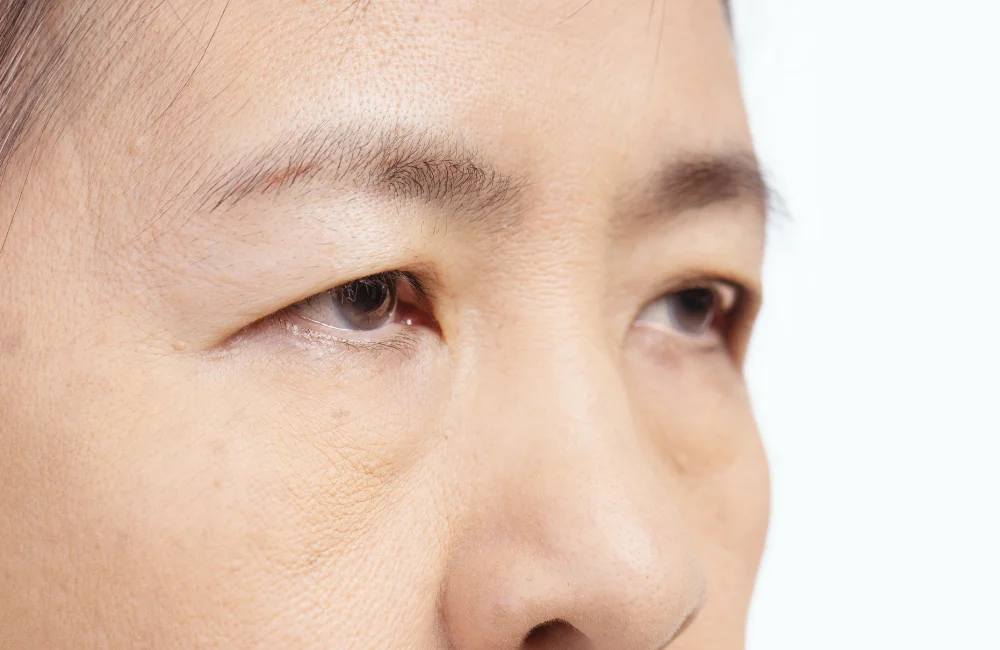
Learn about 6 causes of drooping eyelids and how to fix them.




Droopy eyelids are a problem that many people worry about, because in addition to making them look sleepy all the time, it also affects their self-confidence and personality. Droopy eyelids can be caused by many factors, from genetics and increasing age to lifestyle habits and even side effects from eye surgery. Some people may think it's a minor issue, but in reality, if left untreated, it can affect long-term vision. Let's understand the causes and solutions.
What is Ptosis?
Ptosis is a condition where the upper eyelid droops, making one appear sleepy all the time. The main cause is a malfunction of the levator muscle, which controls the opening and closing of the upper eyelid. When this muscle is weak or malfunctions, it cannot fully lift the eyelid. Some people may have only mild symptoms, but in others, it can be severe enough to obstruct vision, requiring them to tilt their head or raise their eyebrows to see clearly.
Causes of Ptosis
Ptosis can be caused by many factors. Some people may have it from birth, while others may develop it due to age-related degeneration or certain diseases, as well as lifestyle habits. Understanding the causes will help in choosing the most appropriate treatment.
Genetic Predisposition
Ptosis caused by genetics is often seen from childhood, with a family history of the condition. This condition, which prevents the eyelids from fully opening from birth, is crucial for early treatment as it can develop into amblyopia (lazy eye). Because the brain doesn't receive sufficient visual stimulation, it learns to ignore visual signals from the affected eye, resulting in permanent vision problems.
Age
As people age, muscles and skin naturally deteriorate. The eyelid muscles weaken, and the skin around the eyelids stretches and sags, causing the upper eyelids to droop. This results in a tired, sleepy, dull, and older-looking appearance. Furthermore, severe conditions can affect vision.
Behavior
Several daily habits can contribute to drooping eyelids, such as frequently rubbing the eyes when irritated, wearing contact lenses for extended periods, or staring at electronic screens for long durations. These behaviors tire the eye muscles and can lead to long-term drooping eyelids.
Previous Double Eyelid Surgery
Double eyelid surgery may increase the risk of drooping eyelids because the surgery can affect the muscles around the eyes. Inflammation or injury from the surgery can cause muscle dysfunction. The severity of the symptoms varies from person to person. If you experience drooping eyelids after surgery, you should consult a specialist for treatment.
Accidents
Injuries to the face and eyes can also cause drooping eyelids because accidents can affect the nerves and muscles that lift the eyelids, causing dysfunction and preventing the eyelids from fully lifting as before.
Illnesses
Some diseases can cause drooping eyelids, such as myasthenia gravis (MG), an autoimmune disease that affects nerve and muscle function. Patients will experience drooping eyelids and ptosis. In addition, tumors around the eye can compress nerves and muscles, causing drooping eyelids as well.
Difference betweenDrooping Eyelidsand Muscle Weakness
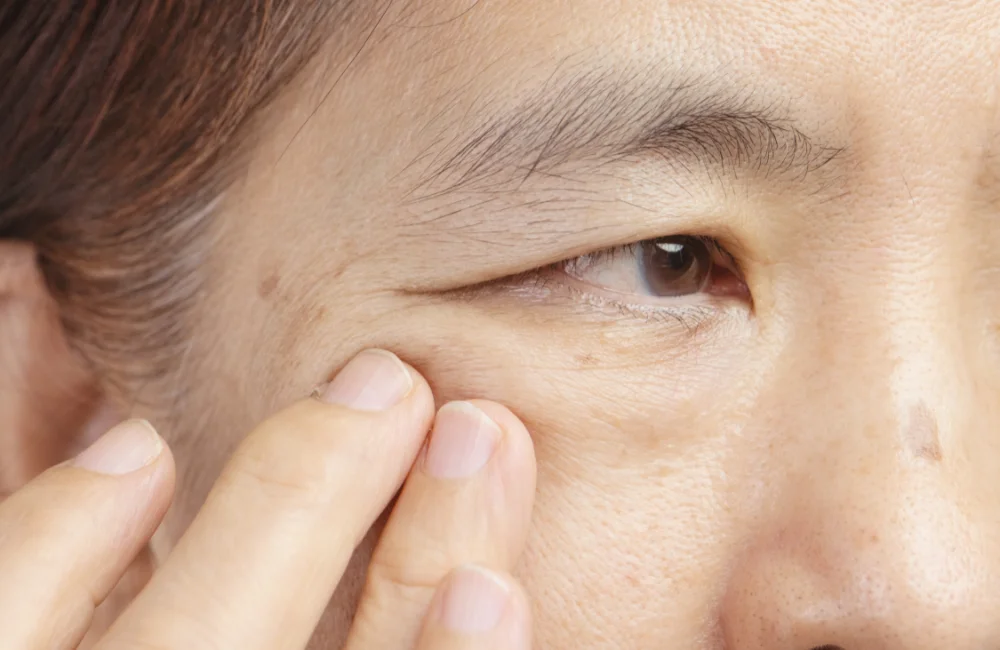
Although drooping eyelids and muscle weakness have similar symptoms, there are important differences. Drooping eyelids are usually caused by a specific problem with the eyelid levator muscle. Drooping eyelids can still be managed with normal vision, while eye muscle weakness is often caused by neurological disorders or muscle diseases that affect the function of all eye muscles, resulting in problems with both opening and moving the eyeballs. Accurate diagnosis is therefore crucial for choosing the appropriate treatment.
Isdrooping eyelidsdangerous?
Many people may think that drooping eyelids are just a cosmetic problem that causes a lack of confidence and affects personality. However, if left untreated, it can lead to serious eye health problems.
Astigmatism
When the eyelid droops and presses on the cornea, it can alter the shape of the eye. Instead of a symmetrical, rounded shape, the eye becomes deformed, resulting in astigmatism. This can impair vision and may eventually require correction with glasses or surgery.
Lazy Eye
When the eyelid droops and obstructs vision, the brain receives blurry images. Over time, the brain learns to ignore the visual signals from the affected eye, leading to amblyopia (lazy eye). Vision worsens progressively, and if not corrected promptly, it can become a permanent problem.
Treatmentfor Droopy EyelidsSurgical Treatment
Surgical correction of droopy eyelids is an effective treatment, unlike typical double eyelid surgery which only creates a new eyelid crease. Droopy eyelid surgery works at the level of the muscles used for opening the eyelids, lifting and reshaping the muscles to improve their function. This procedure creates beautiful new eyelids that complement your face. It is a highly skilled surgical procedure, so you should choose to receive treatment from a specialist.
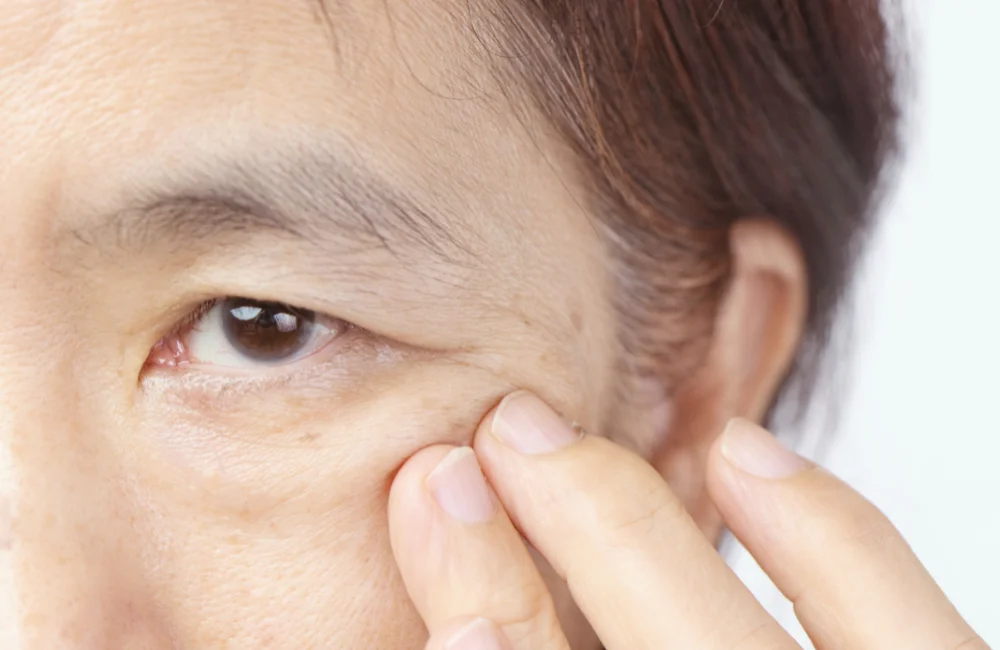
Droopy eyelids are a problem that can be treated and cured, but it requires accurate diagnosis and treatment from a specialist. You can consult the specialist ophthalmologists at Sky Clinic, who are experts in double eyelid surgery, inner corner eyelid surgery, correction of ptosis (weak eyelid muscles), concealed scars under the eyebrow, and removal of under-eye fat bags, to receive treatment appropriate for your problem.
Source : -