


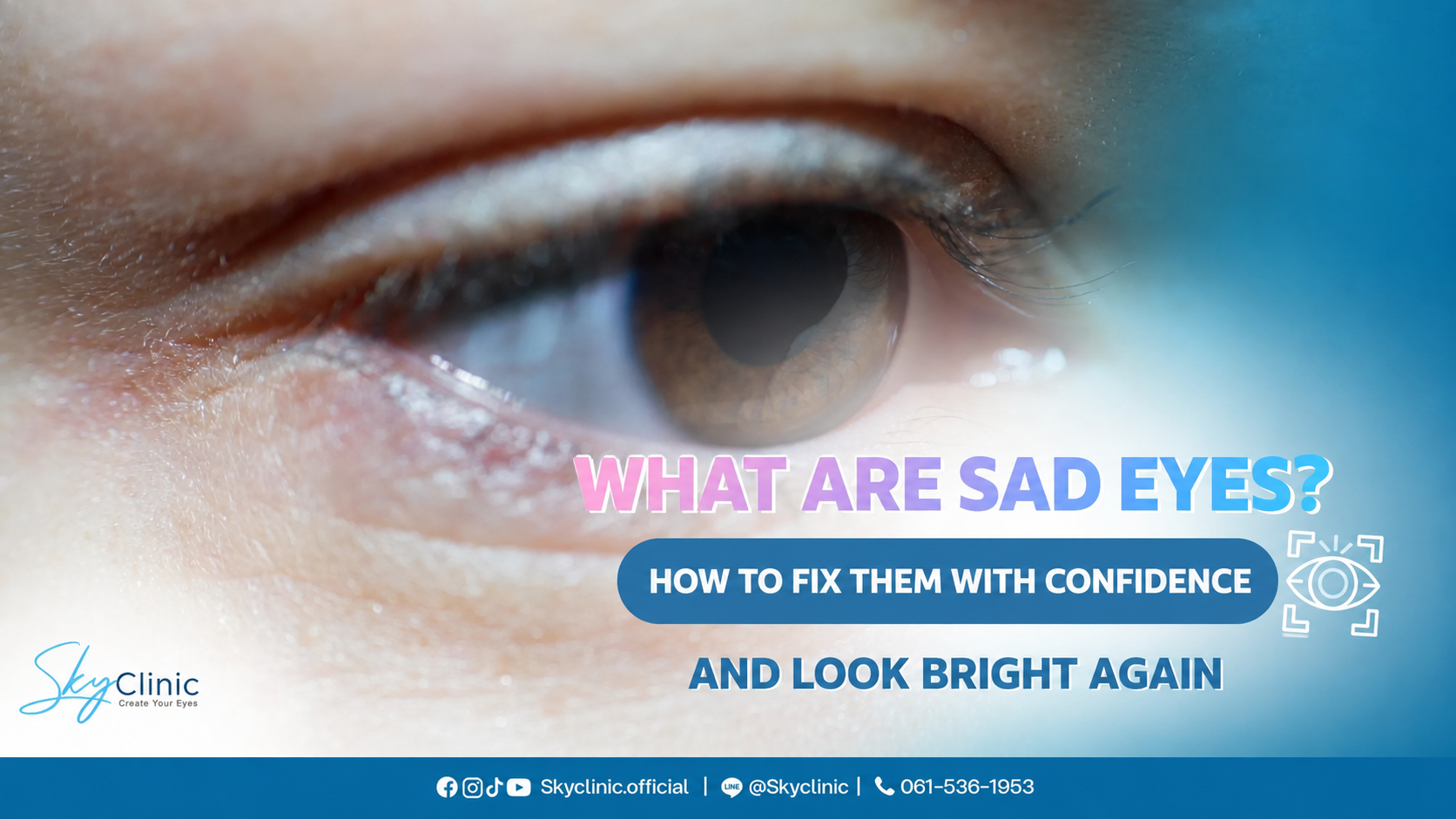
What Are Sad Eyes? Causes and Treatments for a Brighter Look




Many people are often told they look sleepy, sad, or lacking brightness, even when they do not actually feel that way. These concerns are often caused by eye features that appear downturned, commonly referred to as “sad eyes”, which can significantly affect confidence and social interactions. You may have heard about various techniques to address this concern, but before exploring treatment options, it is important to understand the underlying causes. In this article, we will guide you through the key factors and the available solutions to help restore a brighter, more refreshed, and confident appearance.
What Are Sad Eyes?
Sad eyes describe an eye shape in which the outer corners of the eyes (eye tails) sit lower than the inner corners, giving the overall face a tired, sleepy, or less refreshed appearance. This condition can occur in people of all ages and genders. In some cases, it may also be accompanied by drooping eyelids that can partially obstruct vision. There are several ways to address this concern, ranging from adjusting the eyelid crease to procedures designed to lift and enhance the eye area. Leaving sad eyes uncorrected may affect both confidence and overall appearance.
What Causes Sad Eyes?
Sad eyes are not caused by a single factor, but rather by multiple influences affecting the structure and muscles around the eyes. Understanding the exact cause allows a specialist to accurately assess the condition and plan the most suitable treatment. The main factors contributing to downturned or tired-looking eyes can be categorized as follows:
Eye Socket Bone Structure
The orbital bone structure is a fundamental factor that determines the shape of the eyes. Some individuals naturally have a downward-sloping orbital bone at the outer corner, causing the surrounding tissues to appear droopy and resulting in a naturally sad or tired appearance. Additionally, the depth of the eye socket also plays a role. If the socket is too deep, the eyelid crease may appear less defined, and the eyes may look heavy or drowsy. Correcting this type of structural concern requires careful evaluation by a specialized ophthalmologist to achieve the most suitable and balanced result.
Aging
As we age, collagen and elastin beneath the skin gradually decline, causing the eyelid skin to lose firmness and sag. Additionally, the fat that once supported the eye structure may shrink or shift downward, leading to drooping outer corners and a more noticeable sad eye appearance. Aging can also affect the ligaments that support the outer eye, causing them to loosen over time. Early treatment or procedures, such as a brow lift, can help restore a more youthful and refreshed appearance to the eyes.
Eye Usage Habits
Daily habits can also contribute to the appearance of sad eyes. Prolonged screen time on computers or mobile phones, frequent eye rubbing, and insufficient rest can all strain the muscles around the eyes and lead to accumulated fatigue. When these muscles become overworked and weakened, they are less able to support the eyelids properly, which may result in drooping eyelids or downturned outer corners. Therefore, adjusting these habits is important for prevention.
Genetics
Genetics is an unavoidable factor. If family members have downturned eyes or hidden eyelid creases, there is a high chance of inheriting a “sad eye” appearance as well. These traits can become noticeable during the teenage years or early adulthood, without needing to wait for the aging process to occur. Having genetically tired-looking eyes may be a concern for many people. However, with today’s advanced medical technology, it is possible to safely improve and enhance the eye shape for a brighter and more refreshed appearance.
How Can Sad Eyes Be Corrected? Popular Techniques that Deliver Real Results
Many people wonder how to fix sad eyes to regain a more confident appearance. Today, various medical techniques can effectively address this concern, ranging from non-surgical treatments to cosmetic surgical procedures. Choosing the right method should primarily depend on the underlying cause and each individual’s eye structure. Here are some of the most popular techniques.

Double Eyelid Surgery
Double eyelid surgery is one of the most popular methods for correcting sad eyes. The procedure involves removing excess sagging skin and fat while creating a more defined eyelid crease. This helps lift the drooping eyelid that may be covering the eyes, making the eyes appear larger and more naturally refreshed. Modern techniques use smaller incisions with minimal swelling and bruising, resulting in a shorter recovery time. Patients can usually return to their daily routine relatively quickly, with eyes that look brighter and more lively.
Ptosis Correction Surgery
For individuals with severe drooping eyelids that prevent them from fully opening their eyes, ptosis correction surgery is a highly effective solution. The procedure involves adjusting and tightening the muscle responsible for lifting the eyelid, allowing the eyes to open more fully without the need to raise the eyebrows. This treatment not only helps correct sad eyes but also improves vision, reduces forehead strain and headaches caused by overcompensation, and enhances the overall eye appearance of the eyes, making them look brighter and more naturally refreshed.
Outer Eye Lift Surgery
Outer eye lift surgery is a technique specifically designed to correct the downturned outer corners of the eyes. The procedure involves lifting and tightening the tissues and ligaments around the outer eye to achieve a more suitable angle. In some cases, it may be combined with a subbrow lift to hide the incision. This method effectively improves the structure of sad eyes, making them appear sharper and more refreshed. It addresses the root cause of the problem and provides long-lasting results, helping to enhance overall confidence.
Filler Injection
If you are not ready for surgery, filler injections can be an excellent option for improving the appearance of sad eyes. Injecting hyaluronic acid into areas such as the temples, eye sockets, or under-eye region helps support the skin structure and lift the drooping outer corners, making the eye area appear fuller and more refreshed. This method requires no downtime and provides immediate results. However, injections around the eye area should be performed by a highly experienced doctor to ensure safety and achieve the most natural-looking outcome.
Say Goodbye to Sad Eyes and Enhance Your Gaze to Look Brighter and More Confident at Sky Clinic
Having bright, lively eyes not only enhances your overall appearance but can also boost confidence in daily life. At Sky Clinic, our specialized ophthalmologists provide detailed consultations and carefully assess the causes of sad eyes to create a treatment plan that best suits your facial structure. With advanced medical technology and refined surgical techniques, we ensure precise and safe corrections, delivering natural-looking results. Restore a brighter, more refreshed gaze and enhance your overall facial appearance with confidence.
Frequently Asked Questions About Sad Eyes
Before deciding to undergo treatment, many people may still have concerns and questions about adjusting their eye shapes. We have gathered the most frequently asked questions about correcting sad eyes, along with clear and easy-to-understand answers, to help you better understand the basics and make a more informed decision about your appearance.
Are there ways to fix sad eyes if you do not want surgery?
If you are concerned about surgery, there are alternative treatment options available. Procedures such as filler injections can help support the structure around the eyes, while energy-based skin tightening devices stimulate collagen production to improve firmness around the eye area and outer corners. However, these methods provide non-permanent results and are generally more suitable for mild cases of sagging. If the issue is caused by weakened eyelid muscles, surgical treatment may be a more appropriate solution.
How is ptosis correction different from regular double eyelid surgery?
Regular double eyelid surgery focuses on removing excess eyelid skin and creating a new, well-defined crease for aesthetic purposes. It is suitable for individuals who want to enhance the appearance of their eyes. In contrast, ptosis correction surgery involves a deeper approach that targets the levator muscle. The surgeon adjusts and tightens this muscle so it can lift the eyelid more effectively. This procedure addresses both functional and aesthetic concerns, helping the eyes open more fully while restoring a brighter, more refreshed appearance.
How long is the recovery time for correcting sad eyes?
Recovery time depends on the treatment method used. For non-surgical options such as filler injections or skin tightening devices, there is little to no downtime, and patients can usually resume normal activities immediately. For surgical procedures such as double eyelid surgery or ptosis correction, mild swelling and bruising commonly occur during the first 3 to 5 days after surgery. These symptoms typically improve significantly within 1 to 2 weeks. Most people can return to work after about one week, provided they carefully follow their doctor’s post-procedure instructions.
Summary

Multiple factors, including bone structure, aging, genetics, and lifestyle habits, can cause sad eyes, downturned outer corners, or constantly tired-looking eyes. Today, various medical techniques are available to effectively address these concerns, such as double eyelid surgery, outer eye lift, and ptosis correction. For those interested, you can consult with the specialised ophthalmologists at Sky Clinic, who have expertise in Double eyelid Surgery, Medial Epicanthoplasty (Inner Corner Opening), Ptosis Correction (Weak Eyelid Muscle Correction), Subbrow Lift, Endoscopic Brow Lift, and Under-eye Fat Removal. Treatment plans are carefully tailored to each individual’s facial structure and specific concerns.
Source : -