


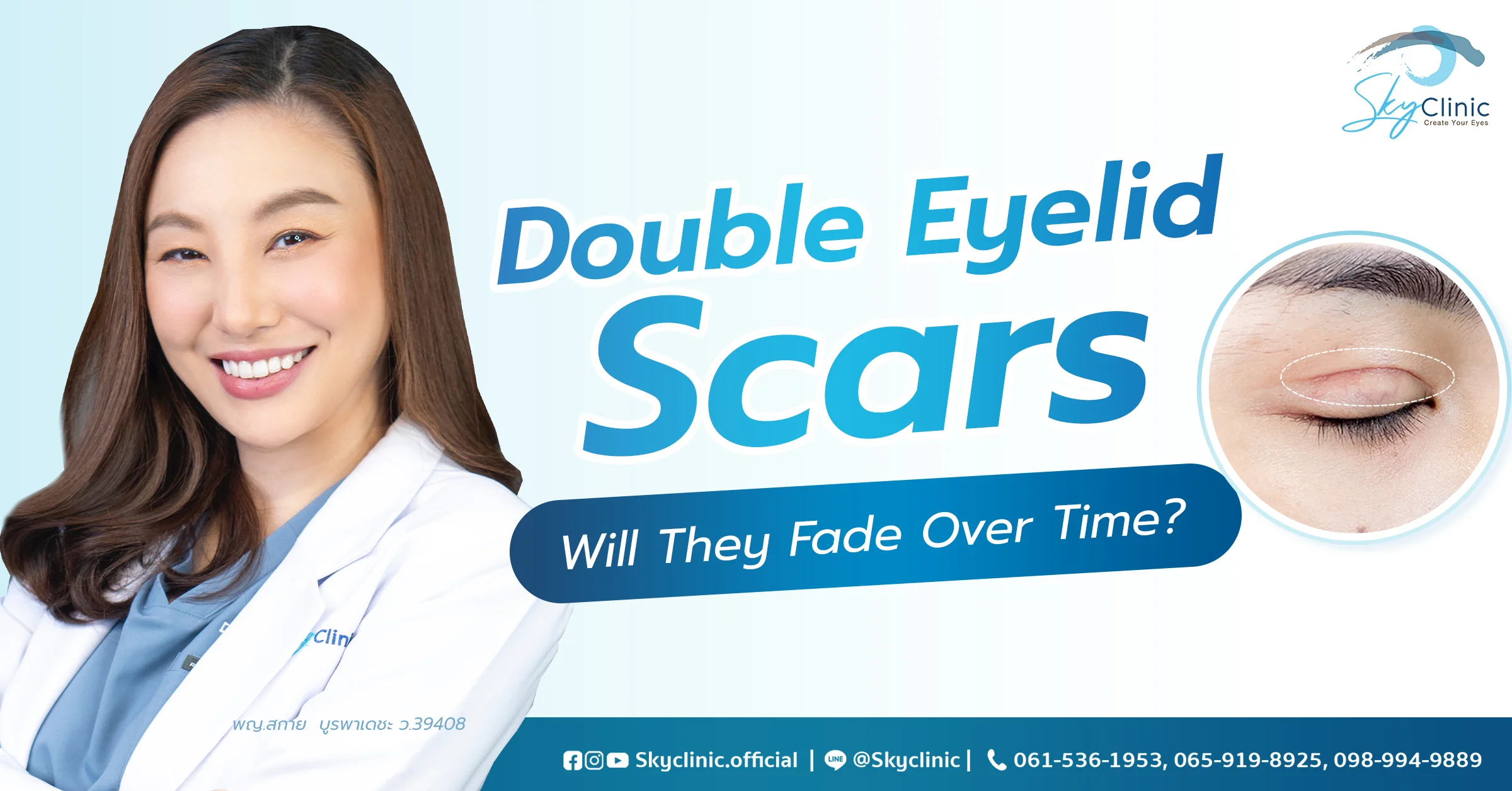
Can scars after double eyelid surgery be cured?




Can Scars After Double Eyelid Surgery Be Treated?
It is normal for any surgical procedure to leave some degree of scarring. Double eyelid surgery is no exception. Because the eyelids are a prominent facial feature, many patients are naturally concerned about the possibility of visible scars after surgery.
However, did you know that while scar formation is influenced by an individual's skin type and healing characteristics, the surgeon's experience and suturing technique also play a significant role in the final appearance of the scar? Meticulous surgical technique and precise wound closure can help create a smoother, finer, and less noticeable scar.
In addition, proper postoperative wound care is equally important and should never be overlooked. Following your surgeon's instructions carefully can significantly improve the healing process and contribute to a more aesthetically pleasing result.
How Long Does It Take for a Surgical Scar to Heal?
In general, surgical incisions require approximately 6–12 weeks to undergo the initial healing process. However, the rate and quality of healing vary depending on several factors, including:
The location of the incision
The length of the surgical wound
The suturing technique used
The degree of tissue trauma during surgery
Individual skin characteristics and healing ability
Postoperative wound care
Because every patient heals differently, the appearance and maturation of a scar can vary from person to person.
Understanding the Type of Scar
Before discussing scar treatment and prevention, it is important to first understand what type of scar has developed. Different types of scars require different treatment approaches, and identifying the scar correctly is the first step toward achieving the best possible outcome.
In the following sections, we will discuss the common types of scars that may occur after double eyelid surgery and the most effective ways to manage them.


What Is a Scar?
A scar is the result of the body's natural wound-healing process. Whether the injury is caused by a burn, an accident, or a surgical procedure, the body responds by producing proteins, particularly collagen, to repair and rebuild damaged tissue. As new tissue forms during healing, a scar develops.
Although scars are generally not harmful to health, they can affect a person's confidence and self-esteem if they are prominent or aesthetically undesirable.
Types of Scars
Scars can generally be classified into two main categories:
1. Hypertrophic Scar
A hypertrophic scar is a common type of scar that develops as part of the body's normal healing process.
Characteristics of hypertrophic scars include:
Raised or thickened appearance
Red, pink, or darker coloration
Confined within the boundaries of the original wound
In some cases, hypertrophic scars gradually improve and flatten over time without requiring specific treatment.
2. Keloid Scar
A keloid is caused by an abnormal healing response in which the body produces excessive amounts of collagen during wound repair.
As a result, the scar tissue continues to grow beyond the boundaries of the original wound and may enlarge over time, even after the wound has completely healed.
Characteristics of keloid scars include:
Thick, raised scar tissue
Growth beyond the original incision or injury site
Progressive enlargement over time
Firm texture
Possible discomfort, tenderness, itching, or a feeling of tightness
Unlike hypertrophic scars, keloids usually do not flatten or disappear on their own and often require medical treatment to improve their appearance and symptoms.
Want to Minimize Scarring? Avoid These Common Mistakes!
Proper wound care after double eyelid surgery plays a crucial role in achieving a smooth, beautiful scar and reducing the risk of complications. If you want your incision to heal as inconspicuously as possible, be sure to avoid the following behaviors:
1. Keep the Surgical Wound Dry
After surgery, the incision should not come into direct contact with water, as this may increase the risk of infection. An infection can interfere with the healing process and potentially lead to more noticeable scarring.
To clean the surgical area, gently wipe the incision with sterile saline solution using a cotton pad or cotton swab, then carefully pat the area dry.
2. Avoid Certain Foods During Recovery
Patients are often advised to avoid specific foods during the healing period. In Thai culture, these are commonly referred to as "restricted foods" after surgery.
Examples may include:
Seafood
Fermented foods
Fermented fish products
Other foods specifically advised against by your surgeon
These foods may contribute to delayed healing or increase inflammation in some individuals, potentially affecting the appearance of the final scar.
3. Avoid Alcohol and Smoking
Patients should refrain from consuming alcohol and smoking for at least one month after surgery.
Both alcohol and tobacco can impair the body's healing process, slow wound recovery, and increase the risk of inflammation and other postoperative complications that may negatively affect scar quality.
4. Protect the Scar from Direct Sun Exposure
Many people overlook this important step, but exposure to sunlight can cause new scars to become darker and more noticeable.
Fresh surgical scars are particularly sensitive to ultraviolet (UV) rays, which may lead to increased pigmentation during the healing process.
If you need to spend time outdoors, it is recommended to:
Wear sunglasses
Use an umbrella or other sun protection
Avoid prolonged direct sun exposure whenever possible
Protecting the healing incision from sunlight can help promote a lighter, less visible scar over time.
The Key to Beautiful Scar Healing
While surgical technique plays an important role in scar appearance, proper postoperative care is equally essential. By keeping the wound clean, avoiding behaviors that may delay healing, and carefully following your surgeon's instructions, you can significantly improve the quality of scar healing and achieve the best possible cosmetic outcome.
How to Treat Scars After Double Eyelid Surgery
Although surgical scars naturally improve over time, proper treatment and care can help accelerate the healing process and improve the overall appearance of the scar.
1. Apply Scar Treatment Products Regularly
Patients are generally advised to begin applying scar treatment cream or scar-reducing gel approximately 3 days after suture removal.
Consistent application for 4–6 months can help the scar gradually fade, soften, and blend more naturally with the surrounding skin.
2. Massage the Scar if Early Keloid Formation Occurs
Keloid scars are most commonly noticed within the first month after surgery. If the scar becomes raised, firm, or feels tight, regular scar massage combined with scar treatment products may help soften the tissue and reduce tension around the incision.
With consistent care, improvement is usually gradual and may take approximately 4–6 months to become noticeable.
3. Keloid Scar Injections
If scar massage and topical treatments do not provide sufficient improvement, or if a faster reduction in scar thickness is desired, treatment with intralesional steroid injections may be considered.
These injections can help soften and flatten keloid scars more quickly. However, multiple treatment sessions may be required before the scar becomes completely smooth.
It is important that scar injections are performed and monitored by a qualified physician. Excessive medication or treatment of scars that are not significantly raised may result in unwanted tissue depression or skin indentation.
4. Laser Treatment for Scar Reduction
Laser therapy is another option for improving the appearance of surgical scars, although it is generally associated with higher treatment costs.
Laser treatments can help:
Improve skin texture and smoothness
Reduce scar visibility
Stimulate new collagen production
Enhance overall skin quality around the scar
Because scar remodeling is a gradual process, multiple laser sessions are often required to achieve optimal results.
Patience Is Key
Scar healing takes time. Most scars continue to mature and improve for several months after surgery. Combining proper wound care, scar treatment products, massage techniques when appropriate, and professional medical treatments can significantly improve the final appearance of the scar and help achieve the most natural-looking result possible.


Why Sky Clinic Stands Out
At Sky Clinic, one of our key strengths is our meticulous wound-closure technique. We utilize our specialized Premium Stitch Technique, which involves the use of ultra-fine premium sutures that are even thinner than a strand of human hair.
This advanced suturing method is used for every patient to help minimize surgical scarring and promote the most refined healing possible. By combining precise surgical technique with careful attention to detail, we aim to achieve smooth, natural-looking results with minimal visible scarring.
Final Thoughts
The good news is that surgical scars can often be improved with proper care and appropriate treatment. The key is to manage them correctly and consistently throughout the healing process.
If you have any concerns about scarring, wound healing, or recovery after double eyelid surgery, it is always best to consult with a qualified medical professional. An experienced surgeon can evaluate your individual situation and recommend the most suitable treatment options to help you achieve the best possible outcome.
Source : Dr.Sky Burapadecha