


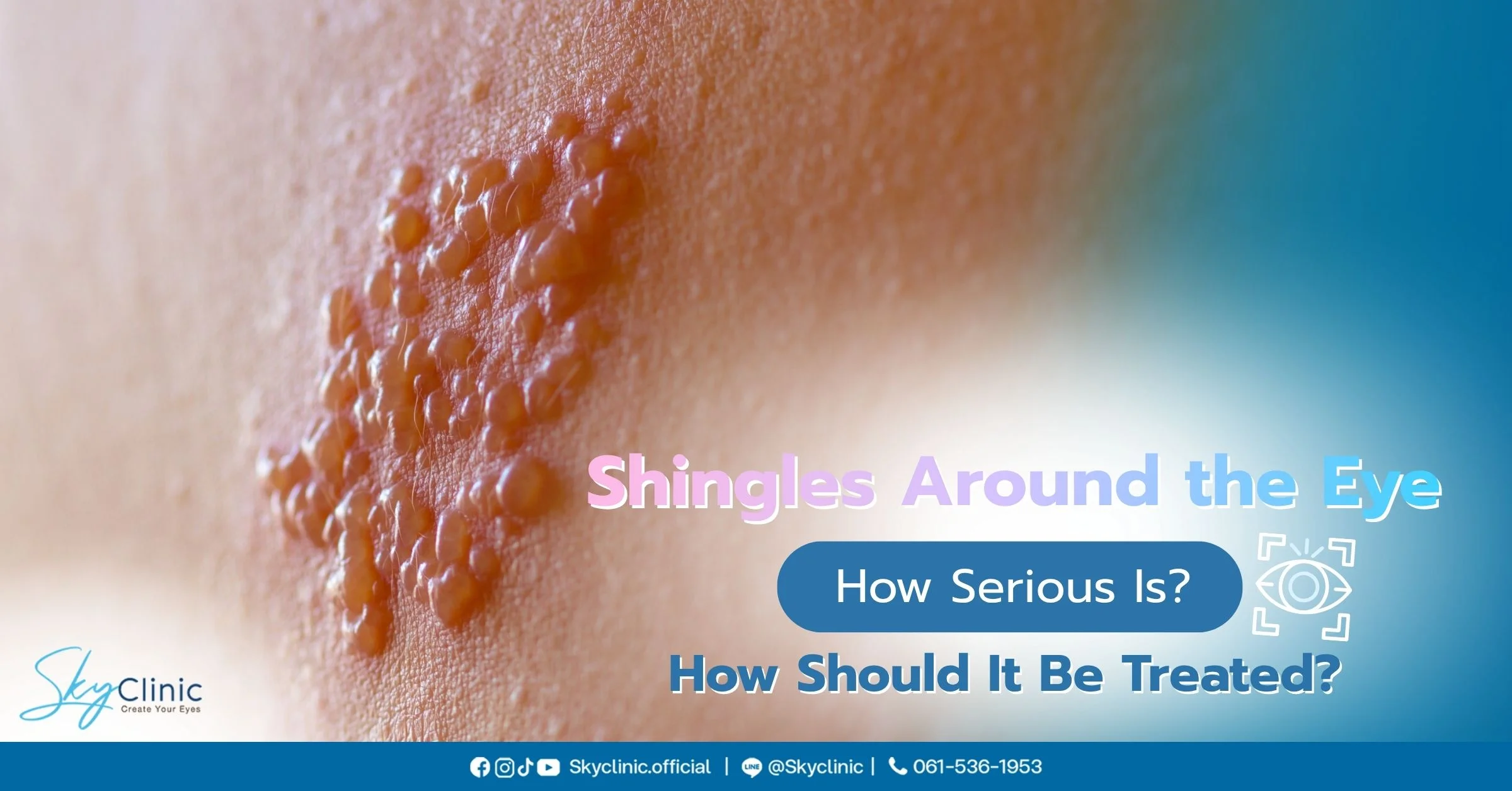
Eye Shingles: What Is It, How Dangerous Is It, and How Should It Be Treated?




Many people may be familiar with shingles occurring in various parts of the body, but did you know that it can also develop around the eyes? Eye shingles is a condition that can cause significant concern and may greatly affect vision. If left untreated or not properly managed, it can lead to unexpected complications. This article will take an in-depth look at the condition, from its causes and warning symptoms to proper care and treatment approaches, helping you understand the risks and be prepared to respond in a timely manner.
What Is Eye Shingles?
Eye shingles is a condition caused by a type of viral infection. This virus can spread to the area around the eyes and affect the visual system. If left untreated or not promptly managed by a doctor, it may lead to long-term vision problems. Understanding the mechanism of the disease, early warning signs, treatment approaches, and proper prevention methods is therefore essential to prevent the virus from spreading and damaging the eyes.
What Causes Eye Shingles?
This condition is caused by the varicella-zoster virus (VZV), the same virus that causes chickenpox. After recovering from chickenpox, the virus can remain dormant in the nerve ganglia for many years without showing any symptoms. When the immune system becomes weakened, the dormant virus can reactivate and spread along the nerve pathways. This leads to inflammation, burning pain, and a red rash with fluid-filled blisters that typically appear in a strip-like pattern along the affected nerve. Therefore, individuals who have previously had chickenpox are at risk of developing shingles later in life.
What Are the Symptoms of Eye Shingles?
Warning signs of eye shingles develop in stages, ranging from the early phase when no visible skin lesions are present to the recovery phase. Each stage has different levels of severity. Careful observation of any abnormalities can help ensure timely treatment, as follows:
Early stage of symptoms (Preeruptive phase): The virus spreads along the nerve pathways, causing inflammation and resulting in sharp pain, numbness, or a burning sensation on one side of the skin. It may also be accompanied by headache, body aches, fever, fatigue, or light sensitivity in the eyes. This stage typically lasts about 1–3 days before a rash appears.
Rash stage (Acute eruption phase): Red patches begin to appear, followed by fluid-filled blisters forming in clusters along the nerve distribution on the face or around the eyes. It typically occurs on one side only and reaches its peak within 3–5 days. This may be accompanied by fever and sharp pain when the skin is touched. The blisters gradually rupture, dry out, and form scabs that fall off within 10–15 days. If the immune system is weak, the symptoms may be more severe than usual.
Recovery stage from the disease (Chronic phase): Even though the skin lesions have faded and the blisters have subsided, a burning sensation, sharp pain, or stabbing nerve pain may persist along the affected nerve pathway. In some cases, the pain may come and go or continue chronically for several years.
How does Eye Shingles Affect the Eyes?
Allowing the virus to spread to the face and around the eyes is considered a serious condition that can damage the visual system in multiple ways. If not treated promptly, the virus may affect and inflame various eye tissues, leading to severe complications, including the following:
Inflammation of the Eyelids and Conjunctiva
When the virus spreads to the eyelids, it can cause lesions such as fluid-filled blisters and red rashes distributed around the eyelids, leading to noticeable swelling and redness of the eyelids. In some cases, it may become severe enough to make it difficult to open the eyes. It can also cause inflammation of the conjunctiva, resulting in red eyes, eye irritation, excessive tearing, and increased eye discharge. If not treated promptly, this inflammation may lead to a secondary bacterial infection, causing the condition to worsen.
Viral Keratitis (Corneal Inflammation Caused By Viral Infection)
The cornea is a delicate and essential part of vision. If the shingles virus attacks this area, it can cause corneal inflammation, cloudiness, and ulcers on the corneal surface. Patients with this condition may experience severe eye pain, sensitivity to light, and a noticeable decrease in vision. Corneal ulcers may deepen and eventually develop into scar tissue. These scars can interfere with the refraction of light, potentially leading to permanent vision loss.
Inflammation of the Iris and Anterior Chamber of the Eye
A deeper infection inside the eye can trigger inflammation of the iris and the fluid in the anterior chamber of the eye. This condition may cause deep, aching eye pain within the eye, redness, and blurred vision. If the inflammation becomes chronic and is left uncontrolled, it may cause a rapid increase in intraocular pressure, which is a major risk factor for glaucoma and can eventually damage the optic nerve.
Complications that May Affect the Retina
In cases where the virus is particularly severe or the immune system is significantly weakened, the infection may spread deeper into the retina and optic nerve, leading to retinal inflammation or tissue damage. This is considered one of the most serious complications. Patients may experience a sudden loss of visual field or even blindness. Therefore, preventing the virus from progressing to this stage is the primary goal in the treatment and management of ocular viral infections.
How Is Eye Shingles Treated?

Treatment for this condition focuses on reducing the severity of the viral infection, relieving pain, and preventing damage to the eyes. The best time to begin treatment is within the first 48–72 hours after the rash appears. An ophthalmologist will consider the following treatment approaches.
Use of antiviral medication (Antiviral drugs): An ophthalmologist may prescribe antiviral medications such as acyclovir, famciclovir, or valaciclovir to inhibit viral replication, reduce the severity and duration of the disease, and help the blisters dry more quickly. These medications also help lower the risk of serious complications affecting the eyes and nerves.
Use of antibacterial medication (Antibacterial drugs): In cases where there is a secondary bacterial infection around the lesions, the ophthalmologist may prescribe antibiotics or anti-inflammatory medications such as prednisolone, in either topical or oral form. These medications help reduce inflammation, relieve pain, and promote faster healing of the lesions around the eyes or face.
Use of pain relief medication (Pain reliever): Because nerve pain associated with this condition can be severe, ophthalmologists often prescribe pain relief medications alongside antiviral treatment. These may include paracetamol or nonsteroidal anti-inflammatory drugs (NSAIDs) such as Ibuprofen to help reduce burning pain and discomfort.
Use of antiviral medication (Antiviral drugs): An ophthalmologist may prescribe antiviral medications such as acyclovir, famciclovir, or valaciclovir to inhibit viral replication, reduce the severity and duration of the disease, and help the blisters dry more quickly. These medications also help lower the risk of serious complications affecting the eyes and nerves.
Use of antibacterial medication (Antibacterial drugs): In cases where there is a secondary bacterial infection around the lesions, the ophthalmologist may prescribe antibiotics or anti-inflammatory medications such as prednisolone, in either topical or oral form. These medications help reduce inflammation, relieve pain, and promote faster healing of the lesions around the eyes or face.
Use of pain relief medication (Pain reliever): Because nerve pain associated with this condition can be severe, ophthalmologists often prescribe pain relief medications alongside antiviral treatment. These may include paracetamol or nonsteroidal anti-inflammatory drugs (NSAIDs) such as Ibuprofen to help reduce burning pain and discomfort.
How to Prevent Shingles
Prevention is better than treatment, especially for high-risk individuals who are more likely to experience viral reactivation. Adopting healthy lifestyle habits and maintaining a strong immune system are important protective measures that can help reduce the risk of developing the disease and its complications. Recommended preventive measures include the following:
Strengthening immunity with vaccination: Individuals aged 50 years and older, those with weakened immune systems, and people who have or have not had chickenpox are recommended to receive the shingles vaccine to strengthen the body’s immunity. Vaccination can effectively reduce the risk of developing the disease and lessen the severity of potential complications.
Reduce close contact with high-risk groups: Individuals who currently have shingles should avoid close contact with elderly people, young children, pregnant women, or those who have never had chickenpox in order to help prevent viral transmission. In addition, personal items, clothing, and bedding should be kept separate from those of other family members.
Maintain a strong and healthy body: Maintaining a balanced immune system can be achieved by eating nutritious foods from all five food groups, exercising regularly, getting enough rest, and managing stress appropriately. When the body is strong and healthy, it can help suppress the dormant virus from reactivating and causing illness.
Strengthening immunity with vaccination: Individuals aged 50 years and older, those with weakened immune systems, and people who have or have not had chickenpox are recommended to receive the shingles vaccine to strengthen the body’s immunity. Vaccination can effectively reduce the risk of developing the disease and lessen the severity of potential complications.
Reduce close contact with high-risk groups: Individuals who currently have shingles should avoid close contact with elderly people, young children, pregnant women, or those who have never had chickenpox in order to help prevent viral transmission. In addition, personal items, clothing, and bedding should be kept separate from those of other family members.
Maintain a strong and healthy body: Maintaining a balanced immune system can be achieved by eating nutritious foods from all five food groups, exercising regularly, getting enough rest, and managing stress appropriately. When the body is strong and healthy, it can help suppress the dormant virus from reactivating and causing illness.
Frequently Asked Questions About Eye Shingles
The spread of a viral infection into the eyes is a condition that often raises many questions and concerns. Therefore, we have compiled some frequently asked questions along with clear and easy-to-understand answers to help serve as a basic guide for symptom evaluation and preparation for proper and timely treatment.
Is Eye Shingles Dangerous?
This condition is considered highly dangerous. If the virus spreads into the structures of the eye and is not treated promptly, it may cause corneal ulcers, iris inflammation, a rapid increase in intraocular pressure leading to glaucoma, or, in the most severe cases, damage to the optic nerve resulting in permanent vision loss. Therefore, if abnormalities develop along the nerve pathway on one side of the face, it should be considered an emergency condition that requires immediate evaluation by an ophthalmologist.
Can Eye Shingles be Completely Cured?
Many people wonder how long eye shingles takes to heal. In individuals with a strong and healthy immune system, symptoms usually improve and heal within 1–2 weeks. However, if proper treatment by an ophthalmologist is delayed or neglected, the risk of severe long-term complications may increase. These complications can include chronic burning nerve pain, known as postherpetic neuralgia (PHN), as well as long-term damage to the nerves associated with the eyes.
When Should You See a Doctor If You Develop a Rash Around the Eyes?
As soon as you notice red rashes, fluid-filled blisters, or a burning sensation around the eyes, forehead, or tip of the nose, you should consult an ophthalmologist as soon as possible. The most critical period is within the first 48–72 hours after symptoms begin. Prompt treatment with antiviral medication can effectively help stop the spread of the virus, reduce the risk of vision loss, and lessen the severity of nerve pain complications.
Summary

Eye shingles spreading to the eyes is a serious condition that can lead to permanent vision loss. Recognizing the symptoms early and promptly seeing an ophthalmologist for antiviral treatment is key to protecting your eyesight. For those looking for an eye surgery clinic to address other eyelid concerns, you can consult the experienced ophthalmologists at Sky Clinic, who specialize in Double Eyelid surgery, Epicanthoplasty, Ptosis Correction, Subbrow Lift surgery, Endoscopic Brow Lift, and Lower Eye Bag removal, to receive treatment tailored to your individual condition.
Source : -