


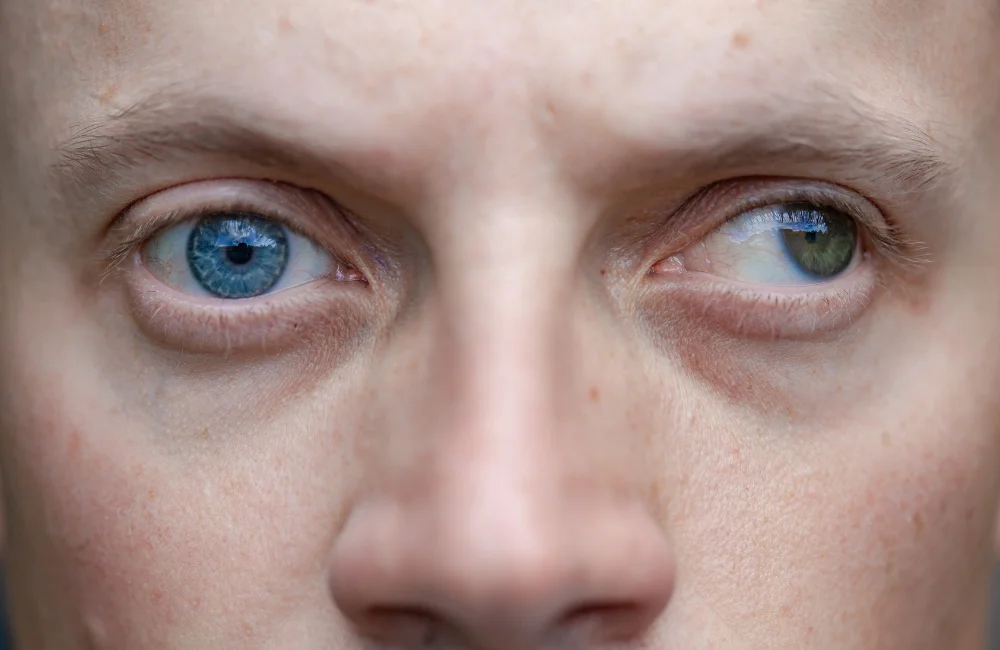
Strabismus: A Cause of Amblyopia and How to Recognize the Signs




Eyes that do not look in the same direction, commonly known as strabismus, are not only a matter of outward appearance but can also be an important sign of lazy eye, which may affect long-term visual performance. So how can we recognize these symptoms, and how can we distinguish these abnormalities in the early stages? This article shares important information you should know.
What Is Amblyopia?
Lazy eye, called Amblyopia, is a condition in which the visual development of one eye or both eyes is incomplete, causing reduced vision. The brain learns to ignore the image from the eye that sees less clearly and instead relies mainly on the stronger eye. When the weaker eye is not used for a long time, its vision gradually worsens until it becomes a condition that is difficult to treat if left untreated.
Strabismus or Crossed Eyes: The Main Cause of Lazy Eye
Strabismus or crossed eyes is considered the most common cause of lazy eye. This is because the two eyes do not look at the same point, causing the brain to receive two different images. To avoid double vision, the brain chooses to accept the image signal only from the eye that is properly aligned and suppresses the signal from the misaligned eye. As a result, the unused eye lacks stimulation and visual development, eventually leading to lazy eye.
Other Causes of Lazy Eye
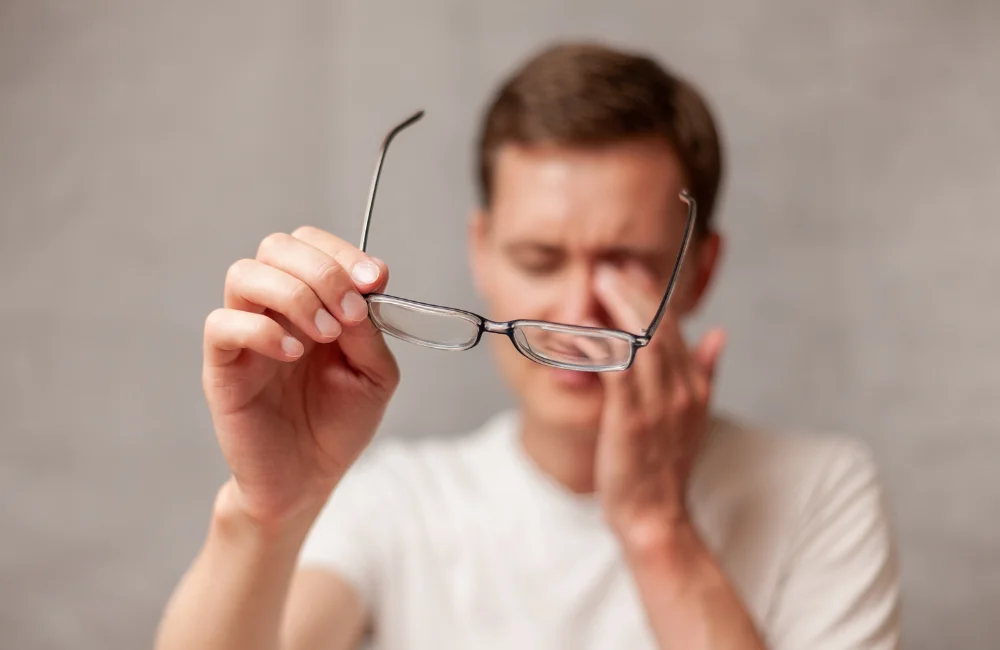
In addition to strabismus, other factors can also lead to lazy eye. Most of these are caused by conditions that interfere with clear vision, preventing the brain from receiving images sharp enough for normal visual development. Common causes include:
- Abnormal refractive error: Cases where the two eyes have significantly different levels of nearsightedness, farsightedness, or astigmatism, or when there is a severe refractive error that is not corrected with glasses or contact lenses.
- Diseases that obstruct vision: Such as childhood cataracts, severe drooping eyelids that block vision, or other abnormalities that prevent light from reaching the retina.
- Genetic factors: If there is a family history of strabismus, crossed eyes, or lazy eye, the risk of developing this condition may be higher in the next generation.
- Neurological and brain disorders: Certain abnormalities, such as Down syndrome or cerebral palsy, may affect the function of the eye muscles and the brain’s visual processing.
Types of Strabismus
Strabismus can be classified into several types depending on the direction in which the eyes deviate. Each type has different characteristics and causes. Understanding the types of strabismus can help make abnormalities easier to notice. The main types include the following:
- Inward Strabismus (Esotropia): This is the most common type. It occurs when one or both eyes turn inward toward the nose. It is caused by an imbalance of the eye muscles, in which the muscles that pull the eye inward work more than normal, or the nerves that control the muscles function abnormally. It is commonly found in young children and is an important cause that can lead to lazy eye.
- Outward Strabismus (Exotropia): This is a condition in which the eyes turn outward toward the outer corners. It occurs when the outer eye muscles work too much, or the inner eye muscles are weaker than normal. In the early stages, it may cause double vision, and once the brain adapts, it may ignore the image from the eye that turns outward. This condition is commonly found in older children and adults.
- Upward Strabismus (Hypertropia): This is a condition in which one eye is positioned higher than the other. It is caused by abnormalities of the eye muscles that control vertical eye movement, or dysfunction of the fourth cranial nerve. People with this condition often tilt their head to compensate for vision and reduce double vision.
- Downward Strabismus (Hypotropia): This is the least common type. In this condition, one eye moves lower than the normal level of the other eye. It is often caused by injury, accidents, or abnormalities of the third cranial nerve, which directly affect the function of the eye muscles.
How to Observe the Symptoms
Observing the warning signs of strabismus and lazy eye from an early stage is important because it allows treatment to be received promptly. We can observe abnormalities through external appearance, visual behaviors, or simple self-tests.
Visible External Signs
The most obvious sign is when the eyes are not aligned or do not look at the same focal point. You may notice that one eye looks straight ahead while the other clearly turns inward, outward, upward, or downward. Sometimes, the symptoms may appear only occasionally, such as when the body is tired or after focusing the eyes for a long period of time. Regular observation is therefore necessary.
Abnormal Visual Behaviors
Certain behaviors may indicate an attempt to adjust vision to compensate for an abnormality, such as frequently squinting or narrowing the eyes, tilting the head or turning the face to one side when looking at objects, closing one eye to see more clearly, or, in children, having difficulty judging distance and often bumping into table edges or objects. These behaviors are warning signs that should not be overlooked.
Basic Self Vision Test
You can perform a basic test by looking straight at an object in the distance, then covering one eye with your hand for about 2-3 seconds. After that, remove your hand and observe the movement of the eye that was covered. If that eye moves to return to a straight position, it may indicate hidden strabismus. The test should be repeated on both eyes for comparison.
When Should You See an Ophthalmologist?
If you notice any signs or suspect that there may be strabismus or lazy eye, you should see an ophthalmologist immediately for an accurate diagnosis. There is no need to wait until the symptoms become obvious or more severe. Early detection and treatment are extremely important because, if left untreated, the condition may become more complicated to treat with age, potentially causing permanent effects on vision.
Summary

Strabismus is not only an abnormality that affects appearance, but also an important cause that can lead to lazy eye, which may permanently reduce visual efficiency if left untreated. Observing misaligned eyes, abnormal visual behaviors, and detecting the condition from an early stage are therefore key to treatment and restoring normal vision. For those looking for an eye surgery clinic to correct various eyelid-related concerns, you can consult the specialized ophthalmologists at Sky Clinic, who have expertise in eye correction and double eyelid surgery to make the eyes bigger and brighter, as well as triple eyelid correction and ptosis problems, to receive a diagnosis and treatment plan that is suitable for each individual’s concerns.
Source : -