


Sunken Eyes (Enophthalmos): Causes and Treatment




Are you tired of constantly being told you look exhausted, even when you feel rested? Do you notice a noticeable shadow or hollowness beneath your eyes when you look in the mirror? This common concern, known medically as enophthalmos or more simply as sunken eyes, can affect your appearance and confidence. Often giving the face a fatigued or aged look, having a sunken eyeball appearance is frequently due to loss of volume around the delicate eye area.
This guide will walk you through what causes a sunken eyeball, how to recognize the symptoms, and the effective treatment options available.
What Exactly are Sunken Eyes (Enophthalmos)?
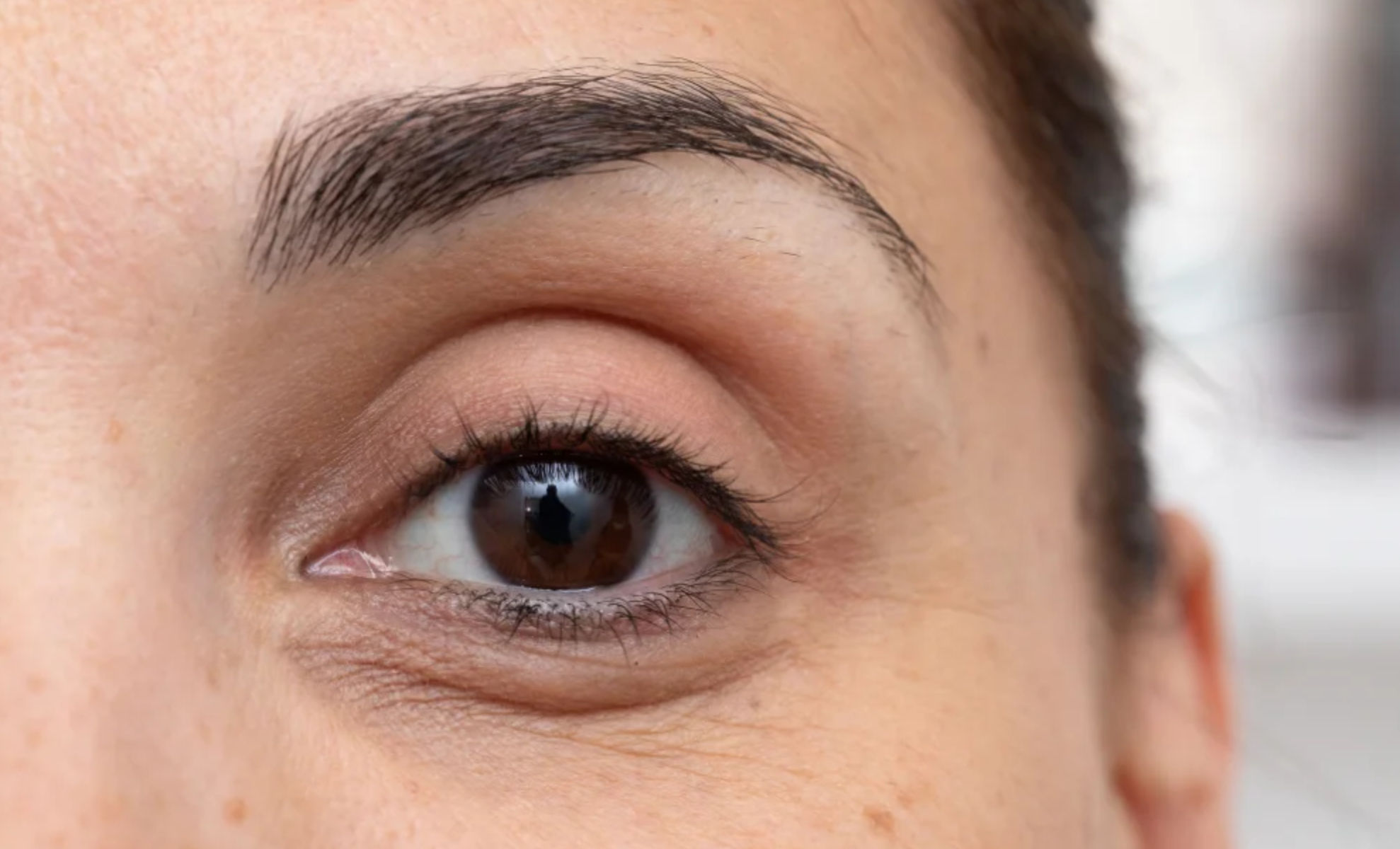
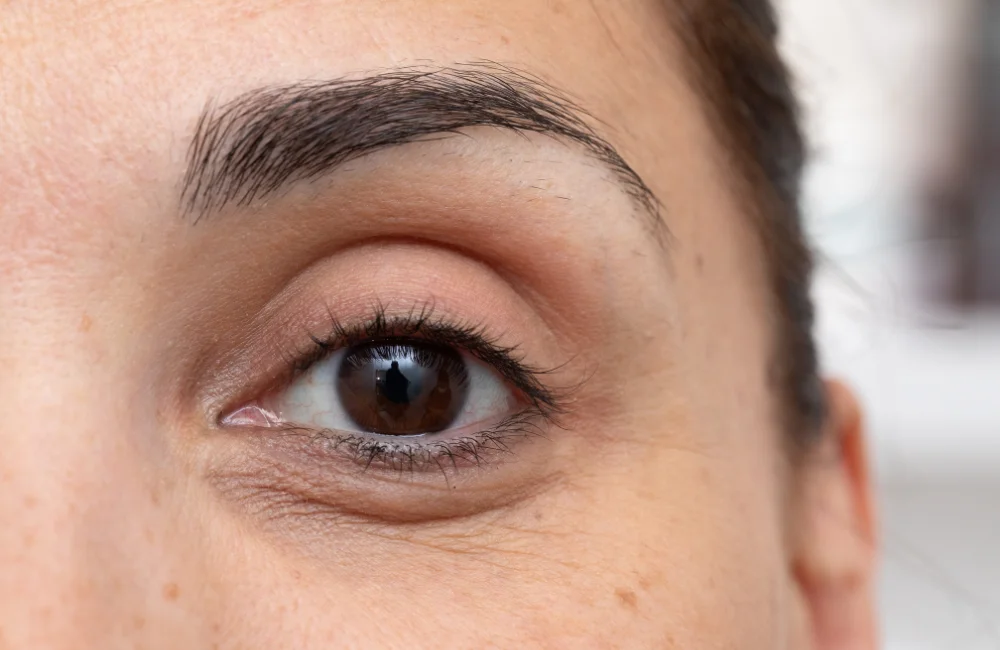
Sunken eyes, also called "tear trough hollows" or "under-eye hollows," refer to the appearance where the eyes seem to sit deeper within their bony sockets. This hollowing effect often creates a noticeable shadow or dark circle directly under the lower eyelid. This makes the skin look thinner, more translucent, and contributes to the overall impression of a tired or fatigued face. While the sight of a sunken eyeball can be a normal part of aging, it can also affect younger people due to factors like genetics, dehydration, or lack of sleep.
Sunken Eyes Symptoms
- A Hollowing Under Your Eyes: This is often seen as a dip or indentation along the orbital rim.
- Dark Shadows Over the Lower Eyelid: The hollowing effect creates a natural shadow, which makes the skin appear darker.
- Dark Circles Underneath the Eyes: These can be caused by the thin skin allowing underlying blood vessels to show, or by the shadowing.
- Thin-Looking Skin Under the Eyes: The delicate skin in this area can become more translucent, highlighting the sunken eyeball look.
- An Overall Tired or Fatigued Look: The most common complaint is that the face looks perpetually exhausted.
Causes of Sunken Eyeballs
Understanding the cause of a sunken eyeball is the first step toward finding the right treatment.
1. Lifestyle and Cosmetic Causes
These causes often relate to volume loss and the condition of the skin.
- Volume Loss:
- Aging: As we age, we naturally lose fat and bone density around the face, including the eye socket. The skin also loses collagen, becoming thinner and more fragile. This reduction in supporting structure causes the eye to look more hollow or the sunken eyeball to recede slightly.
- Dramatic Weight Loss: Losing a significant amount of weight quickly can result in a loss of facial fat, which can make the area around the eyes appear more hollow.
- Sleep: Consistently getting poor-quality sleep or less than the recommended 7-9 hours can make the skin under your eyes look paler, emphasizing blood vessels and dark circles, thus worsening the sunken eyeball appearance.
- Dehydration: Lack of sufficient water intake causes the body and skin to lose plumpness and elasticity. The thin under-eye skin is particularly susceptible to this, leading to a more sunken look.
- Sun Exposure: UV radiation can cause the skin to produce more melanin, darkening the under-eye area. This can create a shadow effect that mimics or enhances the appearance of a sunken eyeball.
2. Structural and Medical Causes
These involve physical changes to the eye socket or underlying health issues.
- Orbital Changes: Enophthalmos can sometimes occur after a fracture of the bones surrounding the eye (orbital fracture). This structural change can increase the volume of the eye socket, causing the sunken eyeball to shift backward.
- Trauma: Severe injury to the eye or face, even without a fracture, can sometimes cause the eye to recede.
- Sinus Issues: Conditions like chronic sinus inflammation or silent sinus syndrome can cause changes to the orbital floor, leading to a sunken appearance.
- Genetics: In some cases, the way your eye sits in its socket is simply due to your inherited bone structure, meaning you are genetically predisposed to a sunken eyeball look.
Treatments for Sunken Eyes
Medical and cosmetic procedures offer the most effective and long-lasting solutions for addressing this issue.
1. Dermal Fillers for Sunken Eyes (The Primary Solution)
For most people concerned with under-eye hollowing, dermal fillers are the preferred, non-surgical treatment. A smooth gel made of hyaluronic acid is carefully injected into the tear trough area. This simple procedure restores lost volume, smoothing the transition from the lower eyelid to the cheek. However, fillers are temporary and typically require a touch-up every 6 to 18 months, depending on the product and the individual.
2. Fat Grafting (Fat Transfer) for Long-Term Volume Restoration
For individuals seeking a more permanent solution than temporary fillers, fat grafting is a recommended option. This procedure involves harvesting a small amount of your own fat (typically from the abdomen or thigh), purifying it, and then meticulously injecting it into the hollowed under-eye area. Because the material used is your body's own tissue, there is no risk of rejection, and a portion of the transferred fat will survive permanently, providing long-lasting volume restoration to correct the sunken eyeball. This is a minor surgical procedure with a slightly longer recovery time than fillers.
3. Lifestyle Adjustments and Home Remedies
While they won't correct severe hollowing caused by aging or structural issues, lifestyle changes are crucial for preventing and minimizing the appearance of a sunken eyeball:
- Stay Hydrated: Drink plenty of water throughout the day to keep your skin plump and supple.
- Get Quality Sleep: Aim for 7 to 9 hours of restful sleep to allow your body to repair and minimize dark circles.
- Sun Protection: Always wear sunscreen, sunglasses, and hats to protect the delicate under-eye skin from further damage and darkening.
- Treat Allergies: Managing allergies can reduce inflammation and dark circles (allergic shiners) that contribute to the sunken look.
When Should You See a Doctor for Sunken Eyes?
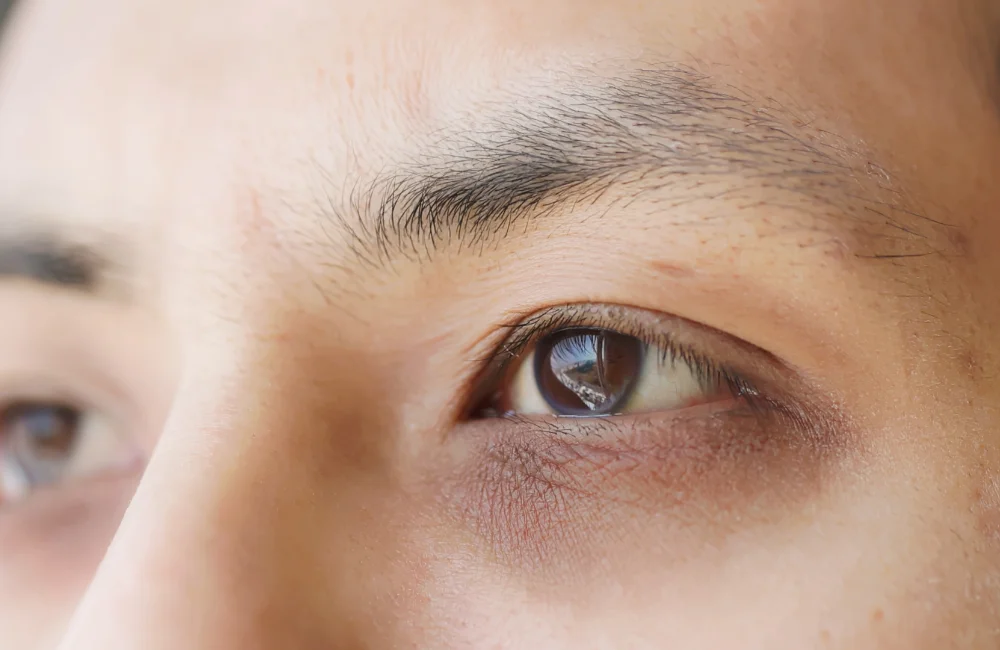
If your sunken eyeball appearance has worsened suddenly, is accompanied by other symptoms like pain, changes in vision, or if the hollowing persists despite improved sleep and hydration, it is important to consult a medical professional.
At Sky Clinic, our experts specialize in precise under-eye treatments, offering surgical solutions to effectively correct the sunken eyeball and give you a vibrant, rejuvenated look. We also offer procedures such as double eyelid surgery in Bangkok.
FAQs About Sunken Eye Correction
1. How long do fillers last for sunken eyes?
Generally, under-eye fillers last between 6 and 18 months, though this can vary based on the specific product used and your body's metabolism.
2. Is correcting sunken eyes painful?
The procedure is typically very comfortable. Specialists often use a numbing cream and inject the filler using a blunt-tipped cannula, which minimizes discomfort and bruising.
3. Can lack of sleep alone cause permanent sunken eyes?
No. While chronic sleep deprivation can temporarily and significantly worsen the appearance of a sunken eyeball and dark circles, the underlying permanent causes are usually volume loss (aging), genetics, or structural changes.
Summary
Sunken eyes (enophthalmos) are a common concern characterized by a hollowed, shadowed appearance under the lower eyelids, giving the impression of a tired or aging face due to a perceived sunken eyeball. While lifestyle factors like dehydration and lack of sleep contribute, the primary cause is often the natural loss of fat and bone volume that occurs with age.
The most effective treatment for long-lasting improvement and volume restoration is a cosmetic procedure. To address your concerns about a sunken eyeball and explore personalized treatment options, schedule a consultation with the specialists at Sky Clinic today.
Source : -