


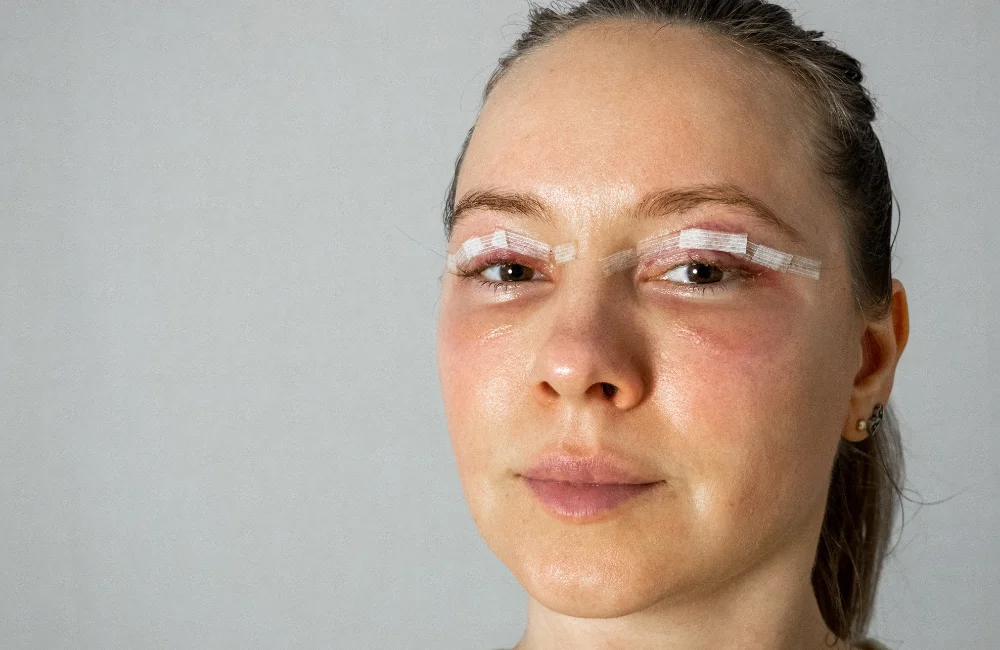
How Soon Can You Get Your Wound Wet After Stitch Removal?




Many people wonder how many days after eyelid revision surgery or double eyelid surgery they can get their eyes wet after the stitches are removed, and how to care for the wound to prevent inflammation or infection. In this article, we will answer the question of how soon you can get your eyes wet after stitch removal and explain proper postoperative wound care to help the wound heal quickly, reduce concerns, and allow you to return to your daily routine with confidence.
What Is Stitch Removal?
Stitch removal is a medical procedure performed to remove non-absorbable sutures from the body after a surgical wound has healed sufficiently. The doctor determines the appropriate timing for stitch removal based on the location, size, and characteristics of the wound, as well as the type of sutures used.
Non-Absorbable Sutures
Regular sutures, or non-absorbable sutures, are wound-closure materials made from synthetic or natural fibers that cannot break down or be absorbed by the body on their own. A doctor must remove them once the wound has healed sufficiently. These sutures are strong and durable, making them suitable for wounds that require prolonged tissue support or are located in areas that move frequently. After surgery, proper care of wounds closed with regular sutures is essential to help prevent infection until the scheduled stitch removal.
Absorbable Sutures
Absorbable sutures are wound-closure materials that the body can naturally break down and absorb over time, without requiring a follow-up appointment for stitch removal. These sutures are commonly used for internal wounds or small wounds that do not require significant tension. The time it takes for absorbable sutures to dissolve varies depending on the material used. The doctor will select the most appropriate type based on the characteristics of the wound and the surgical procedure.
How Many Days After Stitch Removal Can You Get the Wound Wet?
In general, after stitches are removed, the wound should have begun to dry and heal to some extent. How many days after stitch removal you can get the wound wet depends primarily on your treating doctor’s advice. However, the following guidelines generally apply:
If the wound has healed and is completely dry, the doctor may allow the wound to get wet approximately 3 days after stitch removal. You can wash your face as usual, but make sure the wound is completely dry before applying scar treatment products.
If the wound has not fully dried or there is a risk of infection, the doctor may recommend avoiding water for a longer period, or until the wound is completely dry and well healed.
When to Remove Stitches from Eyelid Incisions
The eyelids have delicate skin and a rich blood supply, allowing wounds to heal faster than in many other areas of the body. For patients undergoing double eyelid surgery, the doctor will schedule stitch removal at an appropriate time based on the healing process. The following recovery timeline is important to know:
Week 1: Swelling and bruising are usually most noticeable during the first 1–3 days. Regular cold compresses are recommended to help reduce swelling. By days 5–7, the wound should have begun to heal sufficiently, and the doctor will schedule stitch removal.
Week 2: Swelling and bruising should decrease noticeably, and the incision should begin to dry completely. You may be able to wash your face and get the wound wet as usual, and this is often the time to begin applying scar treatment products regularly, as advised by your doctor.
Week 3: The eyelid crease will begin to settle further, and purple or yellow bruising will gradually fade. You may be able to apply a light layer of makeup to the eyelids to conceal the incision, provided the wound has healed sufficiently.
Week 4: The incision should look smoother, and the eyelid crease will begin to appear more natural. Tightness around the eyelids should decrease significantly, although it may take 4–6 months for the crease to settle fully.
Stitch Removal Timelines by Wound Location
The time required for stitch removal varies depending on the location of the wound, the tension on the skin, and the movement of the affected body part. Areas that move frequently or have greater skin tension may require stitches to remain in place for a certain period to allow the wound edges to heal together and help prevent the wound from reopening. The typical stitch removal timelines can be compared in the following table.
Wound Care After Stitch Removal

Proper wound care after stitch removal is important to support healing and reduce the risk of complications. Knowing how many days after stitch removal you can get the wound wet is only one part of the process. Following appropriate wound care instructions can also support a good recovery.
Keep the wound clean: Keep the wound clean and dry, and clean it according to your doctor’s instructions.
Avoid touching or scratching the wound: This helps reduce the risk of infection and raised scars.
Watch for unusual symptoms: If the wound becomes painful, swollen, red, warm to the touch, or develops pus, or if you develop a fever, seek medical attention promptly.
Apply medication as prescribed: If your doctor prescribes a topical medication for the wound, apply it regularly as directed.
Avoid activities that may affect the wound: Refrain from activities that could cause the wound to reopen or experience friction.
Protect the wound from sunlight: This helps reduce the risk of dark discoloration around the scar.
When Can You Get Your Wound Wet After Stitch Removal at Sky Clinic?
After surgery and stitch removal by the ophthalmologists at Sky Clinic, led by Dr. Sky, proper wound care can help the eyelid crease settle and reduce the risk of scarring. The following is a day-by-day guide to wound care after stitch removal:
Day 1 after stitch removal: The tiny puncture marks left by stitch removal may still be open. Keep the wound completely dry. Gently clean the wound with a cotton swab dipped in normal saline in the morning and evening.
Day 2 after stitch removal: The skin edges begin to heal together, but the wound should still be kept dry. Continue cleaning with normal saline. If blood or scabs form, do not pick, peel, or scratch them.
Day 3 after stitch removal: The puncture marks and surgical incision should be closed. Clean the wound with normal saline for the last day and check that it is dry. If there is no fluid or blood oozing from the wound, it may be healing well enough to get wet the following day.
Day 4 onward: Once the wound has been assessed and is completely dry, you can usually begin washing your face and allowing the wound to get wet as usual. Apply scar treatment products regularly, and you may also apply a light layer of makeup to the eyelids to conceal any remaining bruising.
Does Stitch Removal Hurt, and How Many Minutes Does It Take?
Stitch removal may cause a feeling of tightness or mild pain while the sutures are cut and removed from the skin. The level of discomfort varies from person to person. In general, the procedure is quick and usually does not require local anesthesia. The entire process takes only 5–10 minutes, depending on the length of the surgical incision and the number of stitches. If the wound has healed well, stitch removal is usually easier and faster.
How Much Swelling or Redness After Stitch Removal Is Considered Abnormal?
Mild redness or swelling around the wound after stitch removal can be normal and should gradually subside within 1–2 weeks. However, if the redness or swelling spreads, the pain progressively worsens, the area feels warm to the touch, fluid or pus drains from the wound, or a fever develops, these may be signs of infection. You should seek medical attention promptly for an examination and appropriate treatment.
When Can You Wash Your Hair, Apply Makeup and Wear Contact Lenses?
During the first 7 days before stitch removal, it is recommended to have your hair washed at a salon or while lying down to prevent water from splashing onto the wound. After stitch removal, once the wound has healed completely and is dry (approximately 3 days after stitch removal), you can resume washing your face, washing your hair, and applying makeup around the eyes as usual. If you wear contact lenses, avoid wearing them during the first 2–3 weeks after surgery to reduce eyelid pulling and prevent inflammation. Wear glasses temporarily instead.
Summary

In summary, there is no fixed answer to the question of how many days after stitch removal you can get the wound wet, as it depends on the doctor’s judgment and the characteristics of the wound. Generally, it may be safe to get the wound wet 3 days after stitch removal if it has dried and healed well. However, proper wound care, following the doctor’s instructions carefully, and monitoring for any unusual symptoms are more important to help the wound heal faster, reduce the risk of inflammation, and achieve the best possible treatment outcome. For those looking for an eye surgery clinic that provides care from surgery through stitch removal, you can consult the ophthalmologists at Sky Clinic, who specialize in Double Eyelid Surgery, Medial Epicanthoplasty, Ptosis Correction, Subbrow Lift, Endoscopic Brow Lift, and Under-Eye Bag Removal Surgery to receive treatment suited to your concerns.
Frequently Asked Questions About Stitch Removal
How Many Days After Stitch Removal Can You Get the Wound Wet and Can You Wash Your Face as Usual?
In general, after stitch removal, it is recommended to keep the wound dry for approximately 3 more days to allow the tiny openings left by the sutures to close completely. After that, if the wound is completely dry and there is no fluid oozing, you can wash your face and cleanse your skin as usual.
How Many Days After Double Eyelid Surgery Are Stitches Removed, and How Long Does Swelling Last?
Stitches after double eyelid surgery are usually removed on day 7 after surgery. Swelling and bruising are most noticeable during the first 3 days and then gradually subside after stitch removal. The eyelid crease will gradually look more natural and typically takes around 4–6 months to settle fully.
Does Stitch Removal Hurt? Is Local Anesthesia Required?
Stitch removal is generally less painful than many people expect. Patients may feel slight tightness or a brief pinching sensation as the sutures are pulled out. The discomfort is usually tolerable, so local anesthesia or a numbing cream is generally not necessary. The procedure takes only a few minutes and is generally safe when performed by a qualified medical professional.
When Can You Apply Makeup and Wear Contact Lenses After Stitch Removal?
Three days after stitch removal, if the wound is completely dry, you can begin applying light makeup around the eyes. Be sure to remove all makeup thoroughly. Contact lenses should be avoided for at least 2–3 weeks after surgery to prevent pulling on the eyelids with your fingers, which could cause the wound to reopen.
What Should You Do If Stitches Fall Out Before the Scheduled Removal Appointment?
If some non-absorbable stitches fall out on days 5–6, do not panic, as this can happen. However, do not assume the wound has healed completely. Keep the area clean as usual. If the wound edges have not fully closed, the doctor may consider using Steri-Strips to support the wound. Never pull out the remaining stitches yourself.
Medical References:
Source : -