


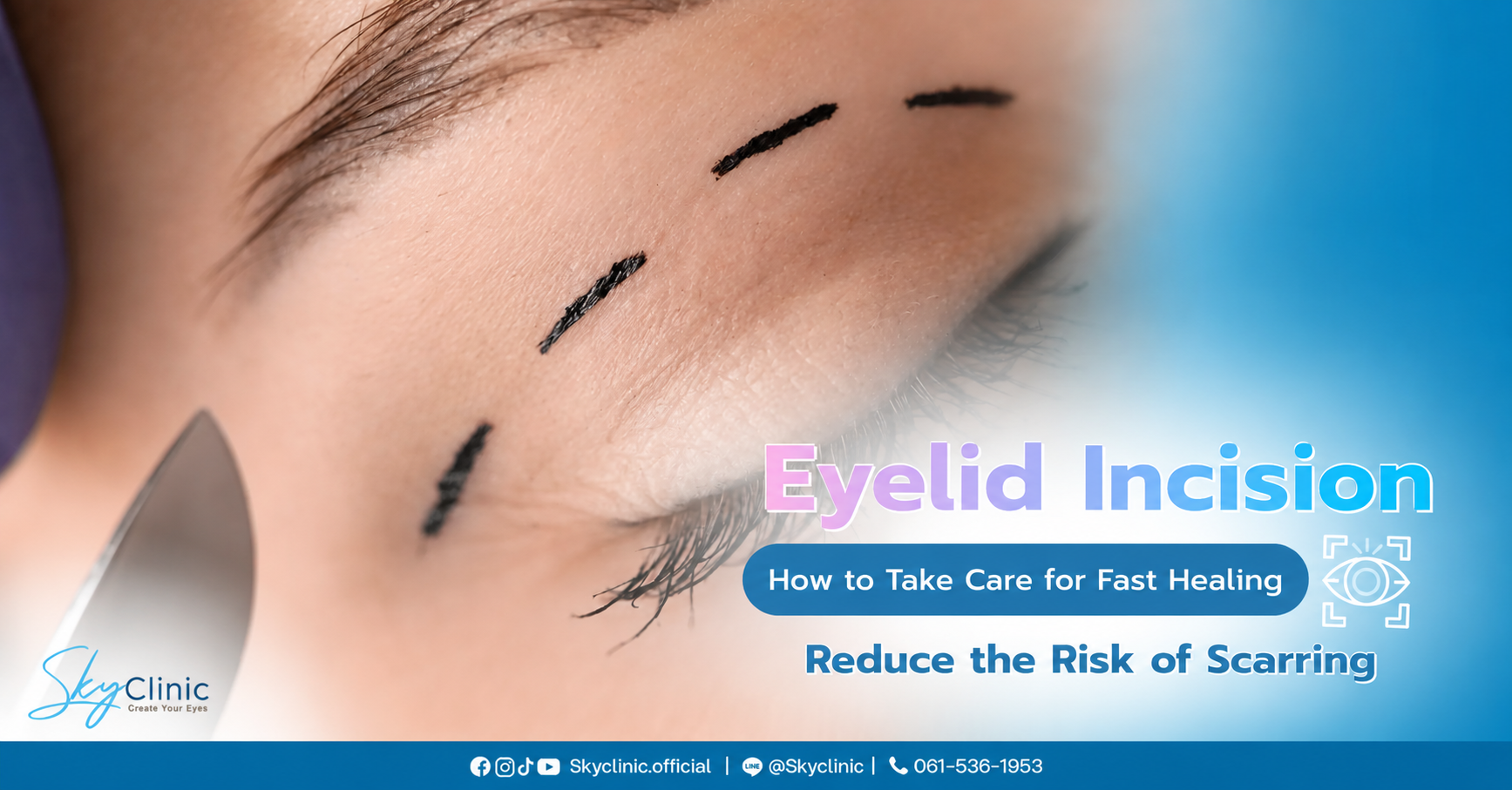
How Long Does a Surgical Wound Take to Heal? Recovery Timeline and Proper Aftercare




Undergoing any surgical procedure, whether minor or major, often raises concerns about proper wound care and recovery. One of the most common questions is: How long does a surgical wound take to heal, and what is the best way to care for it to support faster healing, reduce the risk of infection, and minimize visible scarring? In this article, Sky Clinic will guide you through the wound healing process and provide essential post-surgical care recommendations to promote safe recovery and achieve the best possible long-term aesthetic outcomes.
How Long Does a Surgical Wound Take to Heal, and What Factors Does It Depend On?
The healing time of a surgical wound cannot be defined by a single timeline, as the body’s healing process varies from person to person. Multiple factors can influence how quickly and effectively a wound heals. Some of the key factors include the following:
Location of the Surgical Wound
The location of the surgical site significantly affects how quickly the wound heals. If the procedure is performed on the face, where blood circulation is rich, such as Double Eyelid Surgery or a brow lift, the skin tends to heal relatively quickly. Stitches can often be removed within about 7–10 days. In contrast, wounds on the body, arms, or legs may take longer to heal, often around 10–14 days or more, depending on the area and individual healing response.
Size and Depth of the Wound
Small and superficial wounds generally heal faster than larger or deeper wounds, as the body requires time to produce new tissue and collagen to repair and fully restore the affected area.
Suturing Technique and Surgical Method
The precision of the surgical technique plays a crucial role in the healing process. Meticulous suturing, appropriate suture selection based on the patient’s skin characteristics, and properly balanced wound tension all contribute to more effective healing and help reduce the risk of thickened or raised scars.
Post-Operative Self-Care
Daily habits also play an important role in the recovery process. Patients who carefully follow their doctor’s instructions, maintain good hygiene, consume a nutritious diet, and get adequate rest can support the body’s natural healing mechanisms and promote faster, more effective recovery.
Each Individual's Health and Skin Condition
Factors such as age, underlying medical conditions, including diabetes and circulatory disorders, as well as lifestyle habits such as smoking and alcohol consumption, can impair blood flow to the wound area. Reduced circulation may slow skin cell regeneration and prolong the healing process compared with normal healthy healing conditions.
How to Care for Your Wound After Stitch Removal for Faster Recovery

Many people assume that a wound is fully healed once the stitches are removed. In reality, although the outer layer of the skin may appear closed, the deeper tissue layers remain fragile and continue undergoing the healing and remodeling process. Proper care during this stage is therefore still essential.
Proper Wound Cleaning Techniques
Once your doctor advises that the wound can safely be exposed to water, the area should be cleansed gently using a mild soap. Clean the wound carefully, avoiding vigorous rubbing or scrubbing. After cleansing, gently pat the area completely dry with a clean towel or cloth to prevent excess moisture, which may encourage bacterial growth.
Preventing Wound Opening or Separation
Newly healed skin has not yet fully regained its elasticity, so it is important to avoid excessive stretching or tension around the area. Avoid overreaching or performing movements that place strain on the wound site, as this can help prevent the wound from reopening or separating.
Avoid Activities that Affect the Wound
It is recommended to avoid strenuous exercise, heavy lifting, and activities that cause excessive sweating or friction around the wound area. Swimming in the sea, public pools, or soaking in shared bathtubs should also be avoided until the wound has fully closed and regained sufficient strength. These precautions help minimize the risk of infection and support proper healing.
Be Careful with Facial Movements and Muscles Around the Wound
For individuals who have undergone facial surgery, it is important to avoid exaggerated facial expressions, excessive mouth opening, or facial massage during the early healing period. These movements can create tension or movement within the underlying muscles, potentially placing stress on the healing sutures and wound closure while the tissues are still stabilizing.
Sky Clinic’s Personalized Wound Care and Recovery Follow-Up

Attention to every step is important in cosmetic surgery, especially when choosing an eye surgery clinic that prioritizes high standards and patient safety, like Sky Clinic, which is supervised by a specialized ophthalmologist. The clinic provides a close post-operative follow-up program to monitor wound healing, give proper cleaning instructions, and continue care until the skin has fully recovered. This helps patients feel more reassured and confident in their recovery results.
Why Is Post-Operative Care Important at Sky Clinic?
Choosing a medical facility with a specialized medical team can play an important role in reducing the risk of complications. At Sky Clinic, each patient receives a personalized evaluation based on their skin condition, concerns, and individual needs from the pre-procedure consultation through the recovery process. Patients are provided with detailed guidance on proper wound care and scar management, with careful attention to every stage of treatment to achieve natural-looking results that prioritize both aesthetics and long-term safety.
Frequently Asked Questions About Surgical Wounds
Below are answers to some frequently asked questions about wound care, stitches, and recovery timelines to help individuals who are preparing for surgery or currently recovering better understand proper post-operative care.
How many days after can the stitches be removed?
The timing of stitch removal depends on the location of the surgical site. For facial wounds, stitches are typically removed within approximately 7–10 days, while wounds on other areas of the body may require around 10–14 days. However, patients should always follow their doctor’s instructions and attend all scheduled follow-up appointments to ensure proper wound evaluation and healing progress.
When can a surgical wound get wet?
While stitches are still in place, direct exposure to water should generally be avoided to minimize moisture accumulation around the wound. Instead, the surrounding area may be cleaned gently using a clean, damp cloth. In most cases, the wound can usually be exposed to water approximately 3 days after stitch removal, allowing the suture entry points time to close properly beforehand.
What should you eat to help surgical wounds heal faster?
It is recommended to prioritize high-protein foods such as eggs, lean meats, beans, and legumes, along with fruits and vegetables rich in vitamin C and zinc to support collagen production and tissue repair. At the same time, limiting alcohol consumption and avoiding fermented, undercooked, or raw foods may help reduce the risk of inflammation and infection during the healing process.
Summary
The healing time of a surgical wound depends on several factors, including the complexity of the procedure, the individual’s overall health, and adherence to post-operative care instructions. Understanding the wound healing process, maintaining proper hygiene, and closely following your doctor’s recommendations can help minimize the risk of infection and unwanted scarring, supporting a safer recovery and greater confidence in your results.
Source : -