



What to Do If Sweat Gets in Your Eyes: Prevention and Relief Tips




Sweat getting into your eyes is a common problem, especially when exercising or in hot weather. The stinging sensation when sweat runs down your eyes is uncomfortable and disrupts daily life. But is sweat in the eyes dangerous? Why does it happen so often to some people? And how can you prevent or solve this problem? Let's find out the answers together.
Reasons Why Sweat Gets in Your Eyes
Sweat getting into the eyes is a common problem, especially among people who exercise or engage in outdoor activities. However, few people know that this condition may be caused by abnormalities in the structures around the eyes, which make it easy for sweat to flow into the eyes. The main causes are as follows:
Drooping Eyelids with Age
As we age, the skin around the eyes loses its elasticity, causing the eyelids to sag and wrinkles to form. When sweat flows down from the forehead, it is trapped in these folds and eventually flows into the eyes. Drooping eyelids also make it more difficult for sweat to drain from the area around the eyes, as water tends to flow into the grooves and crevices created by the sagging skin rather than outwards towards the face.
Weak Eye Muscles
When the levator muscle, which controls the opening and closing of the eyelids, is unable to function effectively, the eyelid droops, partially covering the eyeball. When sweat flows down from the forehead, instead of flowing forward, it is trapped in the eyelid crease and flows into the eye. Furthermore, weakened eye muscles result in slow and ineffective blinking to protect against foreign objects, thus failing to prevent sweat from entering the eye in time.
Drooping Eyelids
When the outer corner of the eye is lower than normal. This results in poor drainage of fluid from the eye to the tear duct. When sweat flows down the sides of the face. Instead of flowing through the corner of the eye. Instead, it flows into the eyes. In addition, drooping corners of the eyes also cause grooves or sagging around the corners of the eyes, which is like a waterway that carries sweat into the eyes more easily. Especially when you sweat a lot while exercising or in hot weather.
Deep Eye Sockets
Because deep-set eyes often have a well-defined orbital rim, they create grooves that allow sweat to flow from the forehead into the eyes. Deep-set eyes are usually caused by a loss of subcutaneous fat around the eyes, creating grooves or depressions that facilitate sweat entry into the eyes. Additionally, people with deep-set eyes often have lower-than-normal skin under the eyebrows and eyelids, causing sweat flowing from the forehead to directly into the eyes.
Is It Dangerous If Sweat Gets in Your Eyes?
While sweat getting into the eyes may not be immediately dangerous, it shouldn't be ignored. When sweat, composed of water, minerals, and other substances, gets into the eyes, it can cause stinging and irritation because its pH differs from tears. Frequent occurrences can lead to conjunctivitis, redness, and discomfort. More importantly, there's a risk of eye infection because sweat can transfer germs from the skin to the eyes, especially if the eyes are rubbed with unclean hands or wiped with contaminated cloths. Furthermore, frequent sweat ingress may indicate underlying eyelid structural problems that warrant examination and treatment at an eye clinic.
How to Take Care of Yourself When Sweat Gets in Your Eyes and Causes Irritation
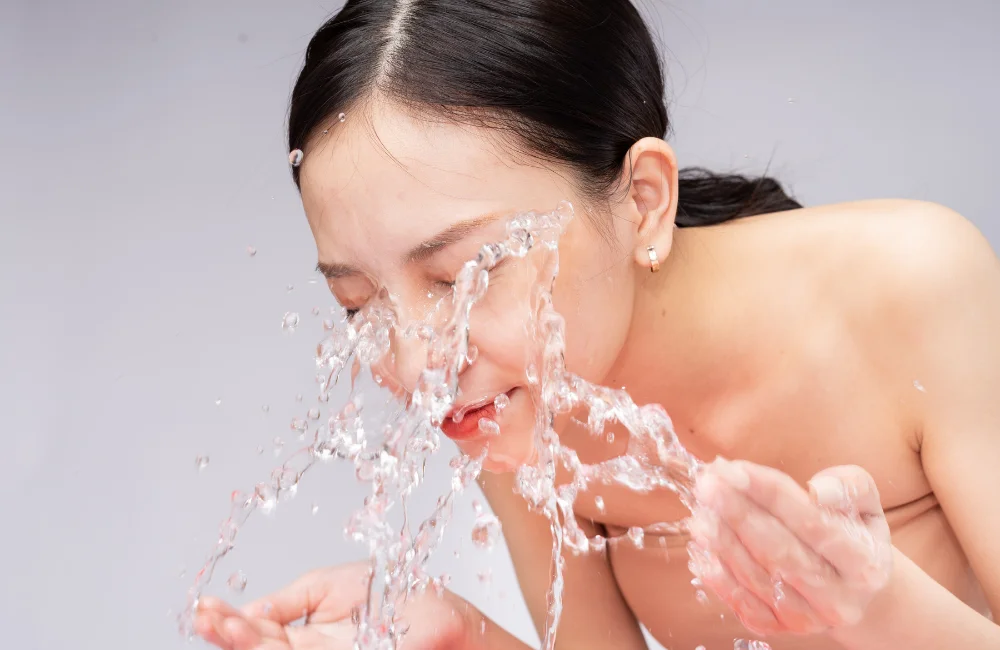
When sweat gets into your eyes and causes stinging or irritation, you should take immediate action to alleviate the symptoms and prevent inflammation or infection. Proper self-care can help relieve discomfort and prevent potential complications. Here is how:
Immediately rinse your eyes with clean water, blinking several times in the water to help wash away the sweat from your eyes.
Use artificial tears to help rinse and dilute sweat that gets into your eyes, reducing irritation.
Never rub your eyes, as this will cause more irritation and increase the risk of infection.
Gently dab the corner of your eye with a clean cloth; do not wipe directly on the eyeball.
Rest your eyes and avoid being in environments with bright light, smoke, or dust.
If you experience severe eye irritation or stinging, stop activities that cause sweating and rest in the shade.
If the symptoms are severe or do not improve within 1-2 hours, you should consult an ophthalmologist.
How to Prevent Sweat from Getting in Your Eyes
Preventing sweat from getting into your eyes is important, especially for those who exercise regularly or work in hot weather. Good prevention reduces the risk of eye irritation or infection and allows you to perform your activities smoothly. Here are some ways to prevent this:
Wear a headband or wrap around your head to prevent sweat from dripping down your face.
Use sunglasses or athletic glasses with frames that fit snugly against your face to prevent sweat from getting into your eyes.
Apply a sweat-resistant sunscreen to your forehead and cheekbones so that sweat flows to the sides instead of into your eyes.
Always carry a handkerchief or sweat towel with you to wipe away sweat before it gets into your eyes.
Avoid exercising or engaging in strenuous activities during extremely hot weather.
Drink enough water to regulate body temperature and reduce excessive sweating.
Use a facial mist to cool your skin and reduce sweating.
Consult an ophthalmologist to assess whether there are any structural problems with the eyelids and consider treatments such as double eyelid surgery.
Summary
Sweat getting into the eyes is a common problem caused by various factors, including age-related drooping eyelids, weak eye muscles, sagging outer corners of the eyes, and deep-set eyes. While not seriously dangerous, it can lead to irritation and infection. Therefore, self-care and prevention are important when sweat gets into the eyes. For those interested in addressing eyelid issues, consult a specialist ophthalmologist at Sky Clinic. Our experts specialize in Double Eyelid Surgery, Epicanthoplasty (inner corner eyelid surgery), Ptosis Correction (weak eye muscles adjustment), Subbrow Lift, and Under-Eye Fat Bags Removal Surgery, to receive treatment tailored to your specific problem.
Source : -