


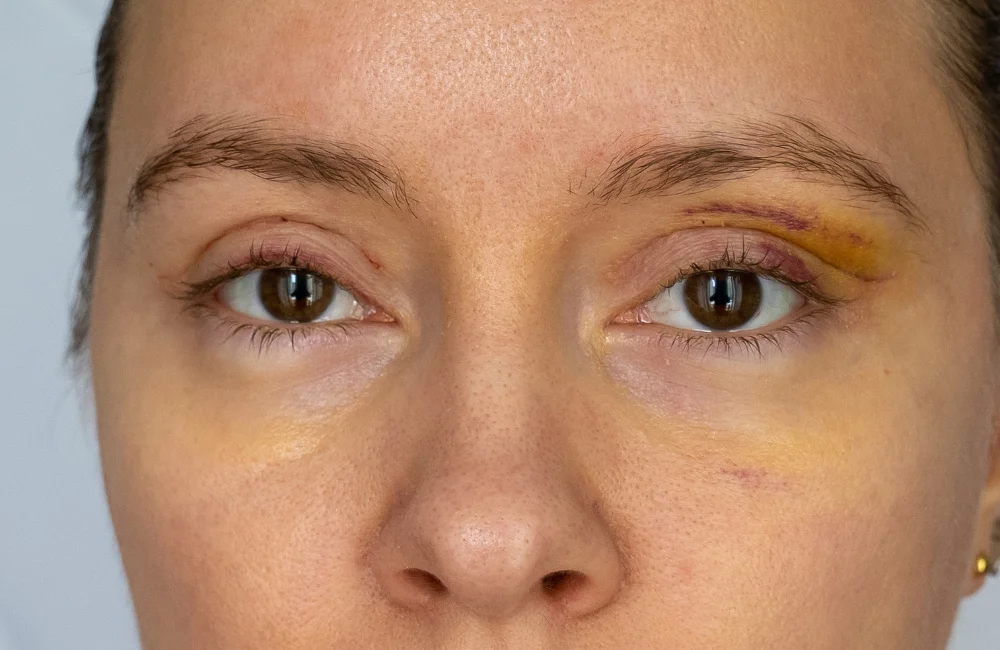
5 Ways to Reduce Swelling After Eyelid Surgery: Self-Care Tips After Cosmetic Surgery




After double eyelid surgery or other cosmetic procedures, many people experience unavoidable swelling. Today, Sky Clinic will show you what causes this swelling and how to reduce it after eyelid surgery, along with tips for self-care that will help reduce swelling faster. These techniques can also be applied to other cosmetic surgeries. Let's explore how to manage post-surgical swelling in this article.
What causes swelling after eyelid surgery?
Double eyelid surgery is a procedure to reshape the tissue in the eyelid area. It is normal to experience swelling during the first week after surgery. This swelling is the body's way of protecting tissues from injury. The severity of swelling varies from person to person and will gradually subside over time. However, if the swelling is abnormal or prolonged, it may be due to improper self-care after double eyelid surgery, which may result in a slower recovery than it should be.
Swelling after eyelid surgery
How many days will it take to heal?Regarding the recovery time and swelling reduction after double eyelid surgery, generally the most swelling occurs during the first 3-4 days after the surgery. This is normal swelling due to the tightness of the wound. After day 5, the swelling will begin to subside. And by the time the stitches are removed, around days 8-14, the wound will begin to heal, and the swelling in the eyelids will decrease. This makes the created double eyelids look more natural. However, it may take approximately 4-6 months for the eyelids to settle and look beautiful. This depends on wound care and the individual's physical condition.
5 Ways to Reduce Swelling After Surgery
51); font-size: 20px;"> 1. Cold Compress
The most effective way to reduce swelling after eyelid surgery is through cold compresses. It is recommended to start applying cold compresses for the first 4 days after double eyelid surgery. This helps constrict blood vessels, reducing blood flow to the swollen area and preventing bruising, thus promoting faster healing. The correct procedure is as follows:
- Wash your hands thoroughly before applying a cold compress.
- Prepare an ice pack or cold compress gel, wrapped in thick tissue paper or a clean cloth.
- Place a gauze pad over the wound to prevent direct contact of the cold with the wound.
- Apply the cold compress in intervals of 15-20 minutes.
2. Apply a warm compress
Applying a warm compress is another effective way to reduce swelling after eyelid surgery. Especially in cases of bruising, heat helps dilate blood vessels, increasing blood flow and aiding in the absorption of excess fluid in the tissues. It also helps dissolve blood clots and soften scar tissue. However, be careful not to overheat, as this can cause burns. If you notice the bruise swelling worsening while applying a hot compress, stop immediately. It is recommended to start applying warm compresses on the 5th day after surgery.
3. Sleep with your head elevated
The easiest way to reduce swelling after eyelid surgery is to sleep with your head elevated, especially during the first 3-5 days post-operatively. Raising your head above heart level helps reduce blood pressure that would otherwise pool around the surgical site, effectively reducing swelling. You should lie on your back and use pillows to elevate your head. Avoid lying on your side or stomach. Because it may put pressure on the surgical site and cause more swelling.
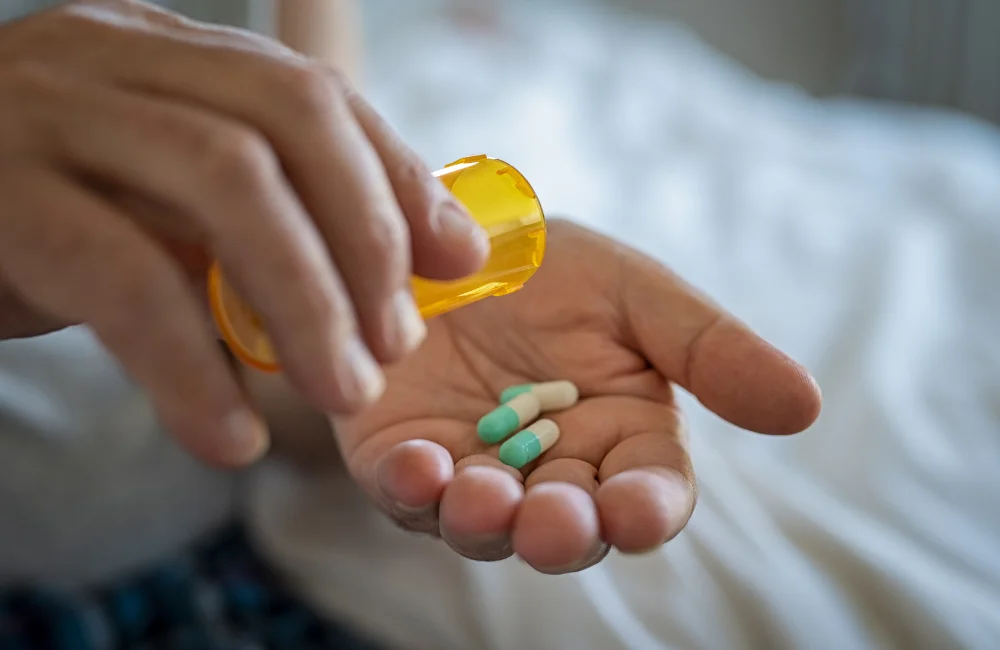
4. Take medication as prescribed by your doctor.
Taking medication as prescribed by your doctor is a very important way to reduce swelling after eye surgery, especially after the procedure. Taking antibiotics (or antimicrobial drugs) completes the full course as prescribed by your doctor to prevent infection that may occur during the recovery process. Antibiotics help eliminate bacteria that may enter the body, reducing the risk of inflammation and various complications. Stopping medication prematurely is dangerous. This may lead to antibiotic resistance or a regrowth of the bacteria, causing more serious problems. Therefore, it is important to strictly follow your doctor's instructions for safety and a smooth recovery.
5. TakeFoods to Reduce Swelling After Surgery
Diet plays a significant role in reducing swelling after surgery. Choosing the right foods to reduce swelling after surgery can effectively aid recovery and minimize swelling. Foods that can help reduce swelling include the following:
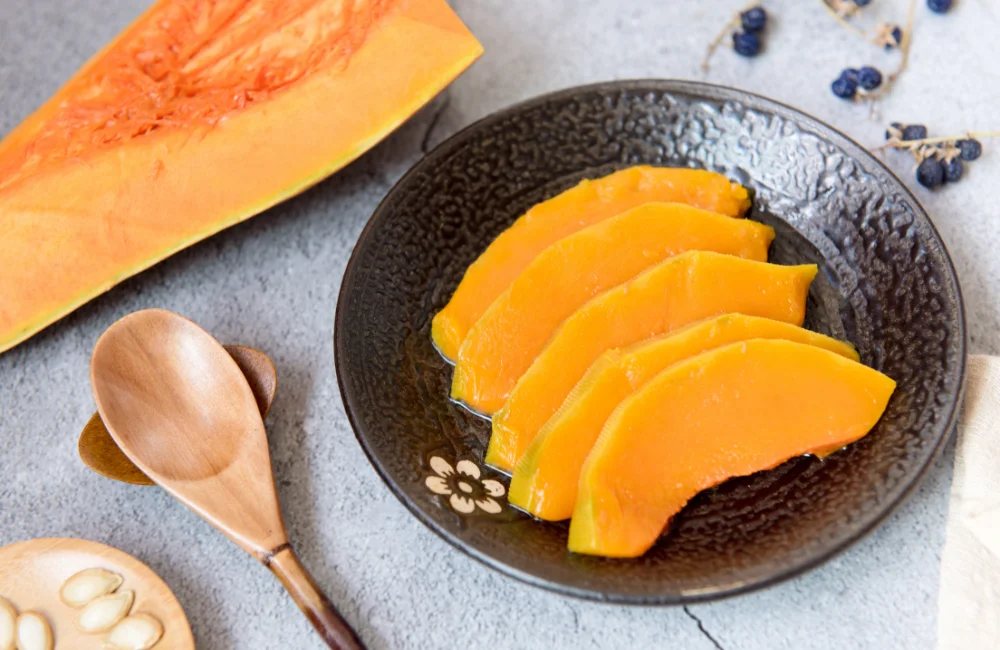
Pumpkin
Pumpkin is a food rich in vitamin A, which has excellent antioxidant and anti-inflammatory properties. It also helps boost immunity and accelerate wound healing. It can be consumed in various ways, such as pumpkin soup, stir-fried pumpkin with eggs, pumpkin juice, steamed pumpkin, etc.
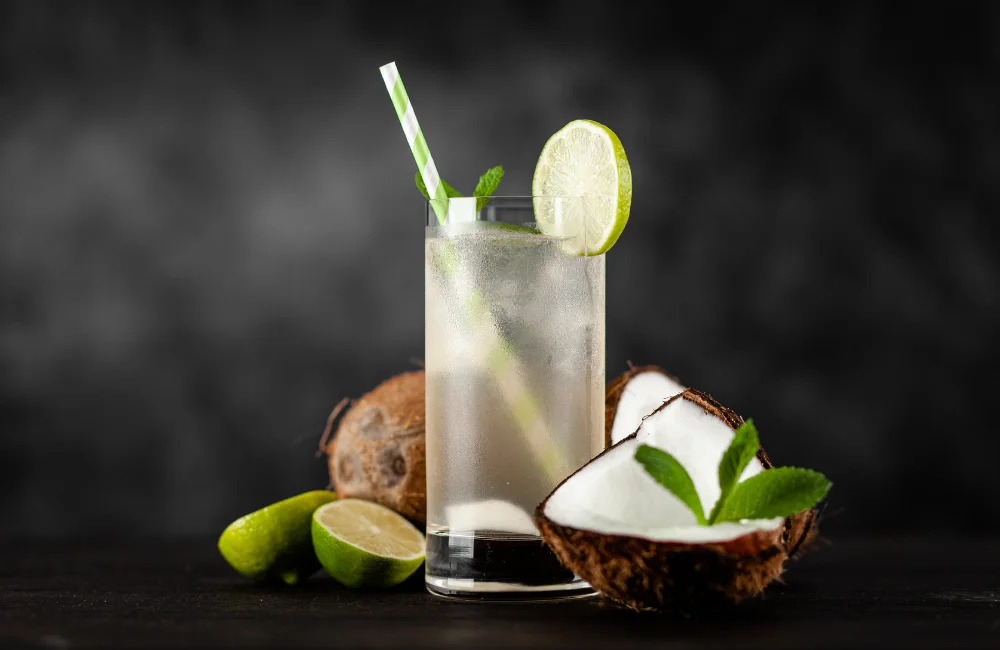
Coconut
Coconut water is a natural drink rich in many benefits. It contains Vitamin C, Vitamin B, amino acids, and important minerals such as calcium, magnesium, and iron. Its special properties help to detoxify and remove waste from the body. This makes it an ideal drink for those who have recently undergone surgery.
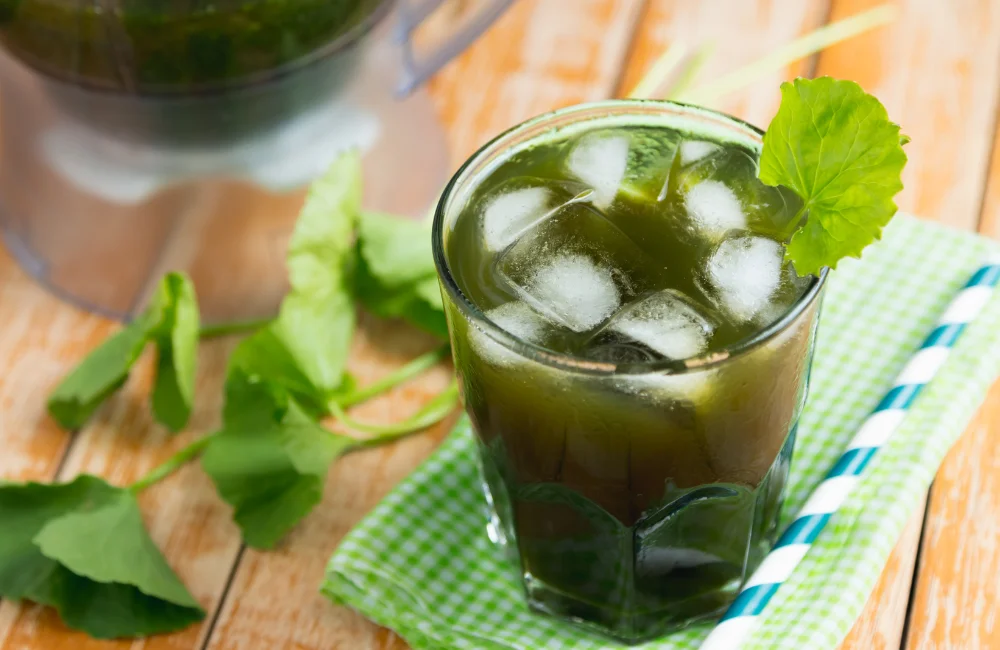
Gotu Kola juice
Centella asiatica juice is an herbal drink with outstanding properties. Helps reduce swelling and bruising. Relieves inflammation Stimulates blood circulation and accelerates wound healing. Therefore, it is a food to reduce swelling after surgery that many people often choose to drink.
FAQ
1. Does eating eggs really help reduce swelling after surgery?
Many people may have heard that you shouldn't eat eggs after surgery because it can causeKeloid scars can be treated, but actually, eggs are an excellent food for reducing swelling after surgery and are very beneficial for post-operative recovery because egg yolks contain two important amino acids, Tryptophan and Tyrosine, which have high antioxidant properties and effectively help reduce swelling and inflammation. However, they should be consumed in moderation. Don't eat too much.
2. You can take vitamins. Can vitamins help reduce swelling after surgery?
Vitamins play an important role in helping reduce swelling and accelerate recovery after surgery, especially Vitamin C, which is an antioxidant. It helps in collagen production and strengthens blood vessels. It is recommended to take 100-200 milligrams of Vitamin C daily. You can consume fruits and vegetables high in Vitamin C, such as oranges, guavas, papayas, kiwis, and broccoli. If taking synthetic vitamins, it is recommended to start taking them after the stitches have been removed.
3. Can applying cold and warm compresses together help reduce swelling after surgery?
Cold and warm compresses should be applied in the appropriate order. During the first 4 days after surgery, the method to reduce swelling after eyelid surgery is to apply cold compresses to stop bleeding. After that, start applying warm compresses from day 5 onwards. Warm compresses will help improve blood circulation. Reduces blood pooling that causes bruising.
Summary
Reducing swelling after eyelid surgery and proper post-operative self-care are crucial for a quick recovery and achieving the desired beautiful results. Proper application of cold and warm compresses, sleeping with your head elevated, taking medication as prescribed by your doctor, and choosing appropriate foods to reduce swelling after surgery are all important factors in effectively reducing swelling. However, strictly following your doctor's instructions and observing any unusual symptoms is essential to achieve the desired outcome.
Source : -