


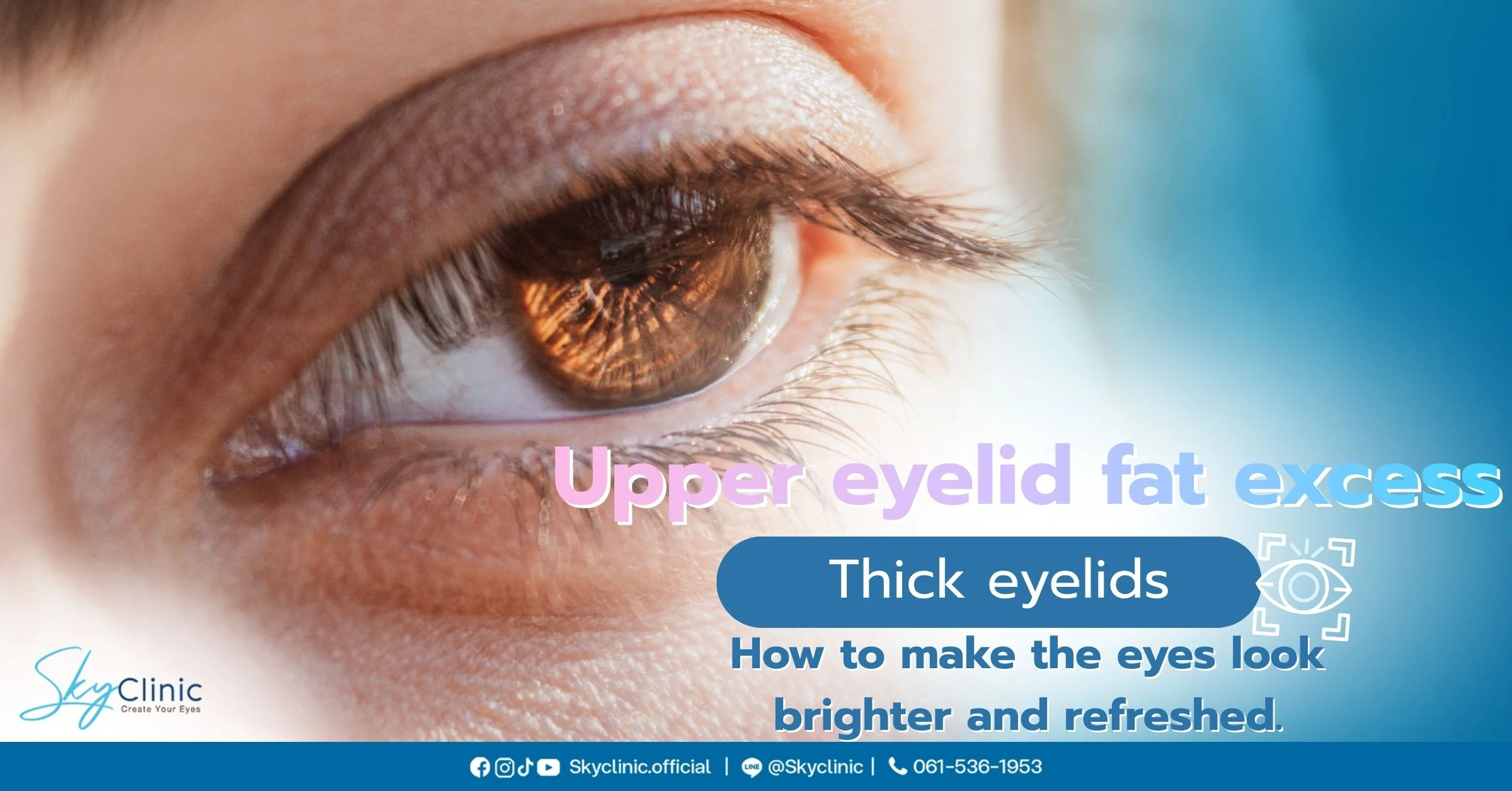
Excess Upper Eyelid Fat and Thick Eyelids: How to Make Your Eyes Look Brighter and More Refreshed




Eyes that appear puffy, as though you are constantly sleepy, may be caused by excess or sagging skin, protruding fat in the upper eyelids, or a combination of these factors. This can make the face look less refreshed and expressive. Many people feel self-conscious about this issue and look for ways to restore a brighter, more open, and beautiful eye appearance. This article explores the underlying causes and targeted treatment options to help you regain your confidence and look your best.
What Is Excess Upper Eyelid Fat?
This condition occurs when excess fat in the upper eyelid area causes the eyelids to appear noticeably puffy or protrude outward. Excess upper eyelid fat may occur alongside thickened skin, making the eyes appear smaller and the eyelid crease less defined. This is a common structural concern among Asian individuals and can be addressed with appropriate medical procedures.
How Do Thick Eyelids Affect Facial Appearance?
Excessively thick eyelids can directly affect the overall appearance of the face, making the eyes look sad, as though the person is troubled or not fully awake. They can also make the face appear tired, fatigued, and less refreshed. Furthermore, excess eyelid skin or drooping upper eyelids can make a person look older than their actual age. In some cases, excess eyelid skin or drooping upper eyelids may obstruct the field of vision and affect daily activities.
Causes of Excess Upper Eyelid Fat and Thick Eyelids
Thick eyelids that make the eyes look less refreshed can result from a combination of factors, including characteristics present from birth and natural changes over time. Understanding the underlying causes of thick eyelids can help determine the most appropriate treatment plan. The main causes can be categorized as follows.
Genetic Factors
Inherited eye structure is one of the most common causes of thick eyelids. If either parent has thick eyelids or excess fat accumulation in this area, their children are more likely to have similar features. These characteristics may become noticeable during adolescence. The structure of the eye socket and the natural amount of fat in the area vary from person to person and are influenced by genetics, making them difficult to change through natural methods.
Age-Related Changes
As we age, the skin loses elasticity, and the connective tissues that hold the orbital fat in place begin to weaken and sag. These changes allow fat that was previously in the proper position to protrude forward. Combined with loose skin that folds over the eyelids, this can obscure the original eyelid crease and make the eyelids appear thicker, heavier, and more aged. These changes are a natural part of the aging process and are difficult to avoid.
Lifestyle Habits
Lifestyle habits can affect eye health more than many people realize. Insufficient sleep, inadequate water intake, and a diet high in sodium can all contribute to fluid retention and puffiness around the eyes. In addition, frequently rubbing the eyes forcefully or staring at computer and smartphone screens for prolonged periods may accelerate wrinkles and other changes in the skin around the eyes, making the area appear thicker over time.
How to Treat Thick Eyelids and Excess Upper Eyelid Fat

Medical technology has advanced significantly, making it possible to address thick, puffy eyelids more effectively. An ophthalmologist will assess the eye structure to determine the most appropriate treatment approach based on each patient's individual needs. The main treatment options that offer established results and a good safety profile include the following.
Surgical Removal of Excess Eyelid Fat
This procedure directly addresses the underlying problem. An ophthalmologist makes an incision to remove or reposition excess fat, which may help reduce fat-related puffiness in the upper eyelids. This method is suitable for people who do not have a defined eyelid crease or whose eyelid crease is obscured by excess tissue. If upper eyelid ptosis is also present, the doctor may consider combining the procedure with ptosis surgery, depending on the patient's condition.
Double Eyelid Surgery with Fat Removal
For people with monolids or hidden eyelid creases accompanied by excess fat, double eyelid surgery combined with excess fat removal is an effective option. The surgeon creates a new eyelid crease while removing excess fat and skin. This technique addresses thick eyelids and excess fat while creating a more defined eyelid crease in a single procedure. It gives the eyes greater dimension and a softer, more expressive appearance, while also helping to correct problems caused by eyelashes turning inward and rubbing against the eyes.
Eyelid Skin Excision
When excess skin becomes significantly loose and begins to cover the eyelid crease or obstruct vision, removing the excess skin through blepharoplasty may be necessary. The surgeon removes sagging skin while adjusting the eyelid fat and tightening the surrounding muscles as appropriate. This procedure helps reduce bulky eyelids and create a noticeably more youthful appearance. It is particularly suitable for older individuals or those with significant drooping eyelids.
Preparing for Eyelid Surgery
To help ensure a smooth and safe surgical procedure and reduce the risk of potential complications, proper physical preparation is essential. Follow these preoperative instructions carefully:
Provide a detailed medical history: Inform your doctor about any medication allergies and existing medical conditions so they can plan your treatment appropriately.
Follow your doctor's instructions regarding medications and supplements: You may be advised to stop taking blood thinners, vitamins, and supplements 1–2 weeks before surgery to reduce the risk of excessive bleeding. Do not stop prescribed medication without your doctor's approval.
Avoid alcohol and smoking: Refrain from drinking alcohol and smoking for at least 14 days before surgery to support proper wound healing.
Get adequate rest: Ensure you get enough sleep and are well-rested before your procedure.
Avoid makeup and contact lenses on the day of surgery: This helps maintain cleanliness and reduce the risk of infection.
Postoperative Care After Eyelid Fat Removal Surgery
Proper wound care after surgery is essential for promoting faster healing, minimizing scarring, and achieving the desired eyelid crease once the swelling has subsided. During the recovery period, pay particular attention to the following guidelines:
Apply cold compresses: During the first 3 days, apply cold compresses around the eyes regularly to help reduce swelling and bruising.
Keep your head elevated while sleeping: Use pillows to keep your head higher than your body to help reduce blood pooling and swelling.
Take medication as prescribed: Follow your doctor's instructions and take all medications on time to help prevent inflammation and relieve pain.
Keep the wound clean and dry: Avoid direct contact with water until the stitches have been removed.
Avoid activities that may affect the eyes: Refrain from rubbing your eyes, strenuous exercise, and wearing contact lenses during the initial recovery period.
Protect your eyes from sunlight and dust: Wear sunglasses when going outdoors.
Avoid smoking and alcohol: Refrain from smoking and drinking alcohol for at least one month to avoid delaying wound healing.
Why Choose Sky Clinic for Eyelid Fat Removal Surgery?
At Sky Clinic, our team of ophthalmologists specializes in the care of the area around the eyes and has an in-depth understanding of ocular anatomy. We focus on designing each eyelid crease to suit the individual, addressing excess upper eyelid fat and thick eyelids at their source. Our approach emphasizes precision, meticulous technique, small incisions, minimal swelling and bruising, and natural-looking results. Above all, we prioritize international safety standards to help ensure that every patient receives attentive, high-quality care with confidence.
Frequently Asked Questions About Upper Eyelid Fat
Eye surgery is a delicate procedure, so many people have questions and concerns before deciding to undergo treatment. To help you gain a clearer understanding and feel more at ease, we have compiled answers to some of the most frequently asked questions about managing excess eyelid fat.
Will Excess Upper Eyelid Fat Return After Surgery?
In general, fat cells that have been surgically removed do not grow back. However, rapid weight gain or the natural aging process may cause the remaining fat cells to enlarge or the skin to sag, making it appear as though the fat has returned. Nevertheless, the results of surgery often last for many years. Maintaining a stable weight and taking good care of the skin around the eyes can help preserve the results for longer.
Are There Ways to Reduce Eyelid Fat Without Surgery?
Natural methods, such as applying cold compresses or using eye creams, may help temporarily reduce fluid retention and puffiness. However, they cannot permanently remove deep-seated fat deposits within the eyelids. To achieve noticeable results and improve the overall eye shape, medical procedures or surgery performed by an ophthalmologist are necessary to remove excess fat.
How Many Days Does It Take for Swelling to Subside After Eyelid Fat Removal Surgery?
Swelling and bruising are normal parts of the body's healing process. In general, swelling is most pronounced during the first 2–3 days and gradually subsides over time. Within 1–2 weeks, bruising will fade until it is barely noticeable, and the eyelid crease will begin to settle into a more natural appearance over the next 4–6 months, depending on each individual's skin condition and postoperative care. Applying cold compresses and sleeping with the head elevated can help speed up recovery.
Summary

Treating excess upper eyelid fat and thick eyelids is not just about aesthetics. It can also help restore a refreshed appearance and improve vision when the eyelids obstruct the field of view. Choosing the right treatment for each person's eye structure is essential to achieving natural-looking and safe results. If you are interested in treatment, you can consult the experienced ophthalmologists at Sky Clinic, who specialize in Double Eyelid Surgery, Medial Epicanthoplasty, Ptosis Correction, Subbrow Lift, and Under-Eye Bag Removal Surgery, to determine the most appropriate treatment for your concerns.
Source : -