


Things to know before deciding to open your eyes




What Is Epicanthoplasty (Inner Corner Eye Surgery)?
Nowadays, epicanthoplasty, commonly known as inner corner eye surgery, has become one of the most popular cosmetic eye procedures. It is often performed together with double eyelid surgery to create brighter, longer, and more defined eyes.
In this article, Sky Clinic explains everything you need to know about inner corner eye surgery in detail.
Understanding the Natural Inner Corner of the Eyes
Naturally, the eyes should show an appropriate amount of the inner pink corner tissue of the eyes. Normally, about 50–80% of the inner corner area is visible.
If the inner corner is excessively covered by skin or appears unusually shaped, the eyes may look crowded, dull, or lessสดใส. In some cases, it may even create the appearance of crossed or unbalanced eyes.
Everyone naturally has an inner corner area, but the amount of visibility varies depending on individual anatomy.
Ideal Eye Proportions
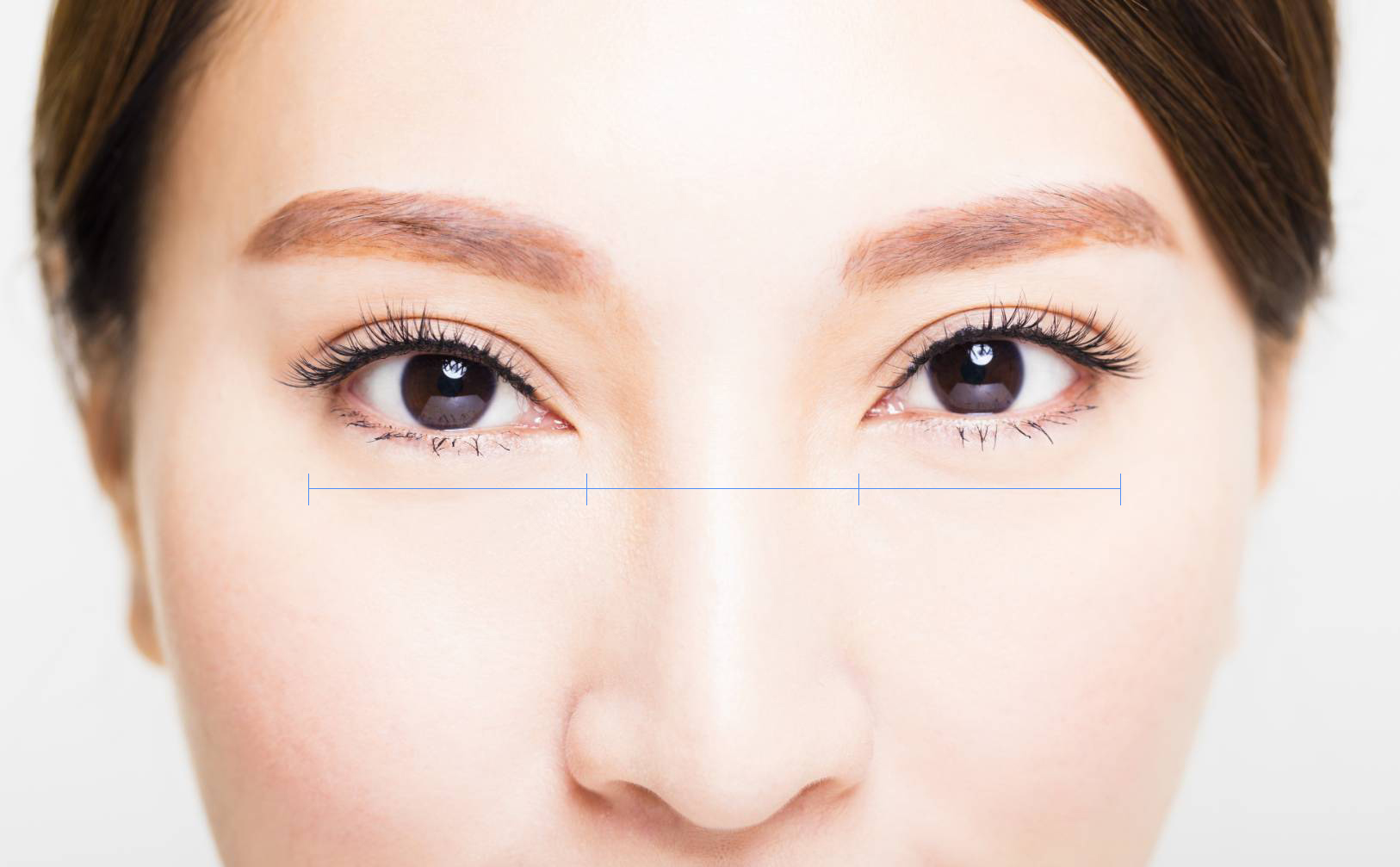
In aesthetically balanced eyes, the length of each eye is generally equal to the distance between the two inner corners of the eyes.
This proportion often creates a more harmonious and attractive facial appearance.
What Is Epicanthoplasty?
Epicanthoplasty is a surgical procedure that removes or adjusts the skin fold covering the inner corner of the eyes, known as the epicanthal fold.
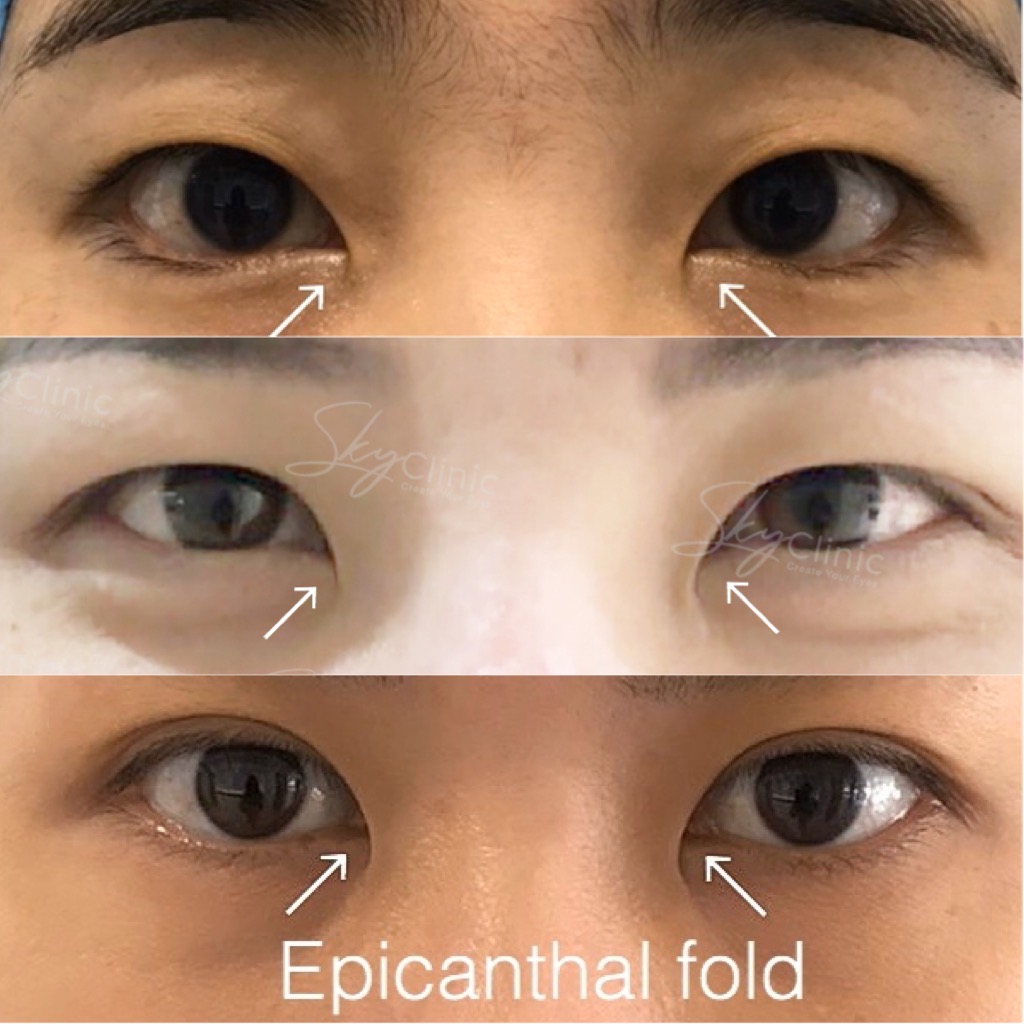
The surgery helps reveal more of the inner eye area in balanced proportions without harming the eye itself. By extending the visible length of the eyes near the inner corner, the eyes appear:
- Longer
- Brighter
- More defined
- Softer and more attractive
Who Is a Good Candidate for Inner Corner Eye Surgery?
Epicanthoplasty may be suitable for:
- People with covered inner corners or prominent epicanthal folds
- Patients who want larger or more defined double eyelids
- Individuals who want clearer eyelid creases extending naturally toward the inner corner
In some cases, combining epicanthoplasty with double eyelid surgery creates a more natural and balanced result.
Advantages and Disadvantages of Epicanthoplasty
Advantages
- Makes the eyes appear longer and more refined
- Increases visible eye space near the inner corner
- Creates brighter, more open-looking eyes
- Enhances the appearance of double eyelids when combined with eyelid surgery
- Helps eyelid creases appear more natural and defined
Disadvantages
- Excessive opening may create an unnatural appearance
- Because the procedure involves an incision, there is a possibility of visible scarring near the inner corner
- As with all surgeries, there are potential risks and complications
Epicanthoplasty at Sky Clinic
At Sky Clinic, special attention is given to minimizing scars around the inner corner area.
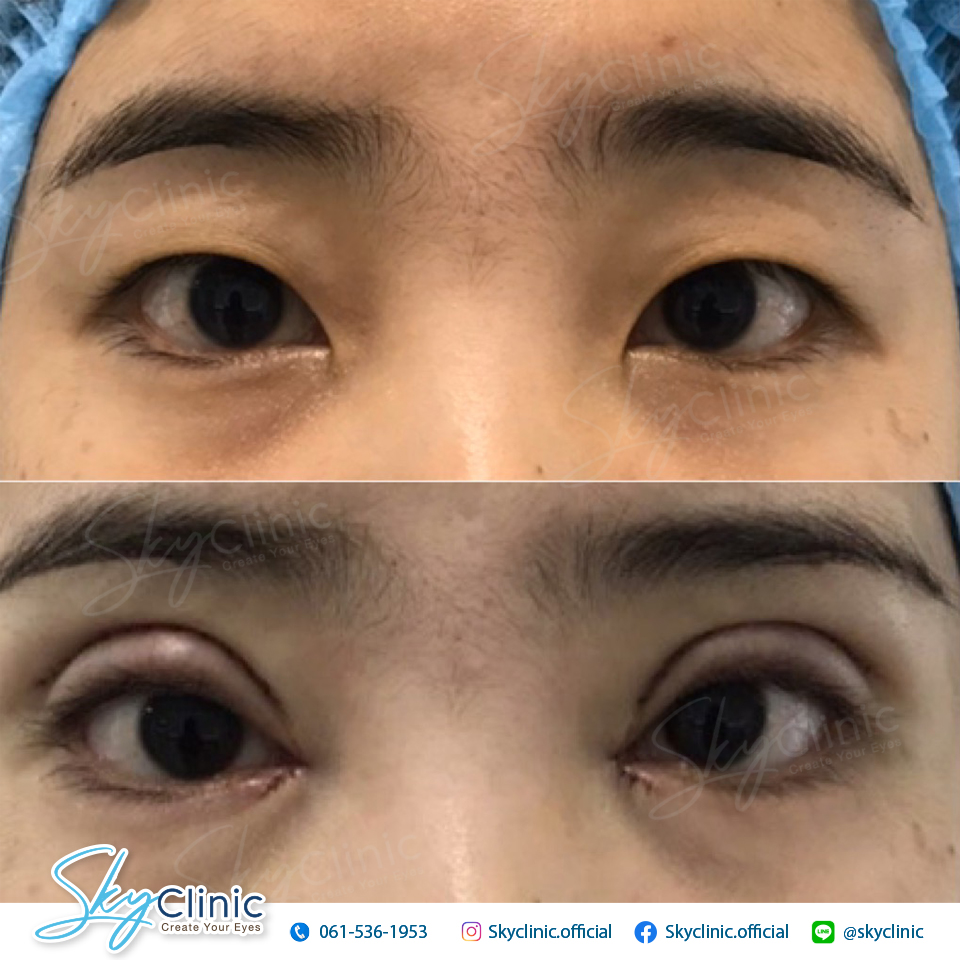
The incision is designed to be:
- Small
- Delicate
- Carefully hidden along the natural eye contour
This technique helps the scar blend naturally with the patient’s original eyelid fold and reduces the risk of noticeable scarring.
Surgical Information
Epicanthoplasty is considered a minor surgical procedure performed under local anesthesia around the inner corner area.
- Procedure time: Approximately 30 minutes
- Sutures: Fine premium sutures
- Stitch removal: Around 5–7 days after surgery
Can Everyone Undergo Epicanthoplasty?
According to the doctor’s professional opinion, epicanthoplasty is not necessary for every patient.
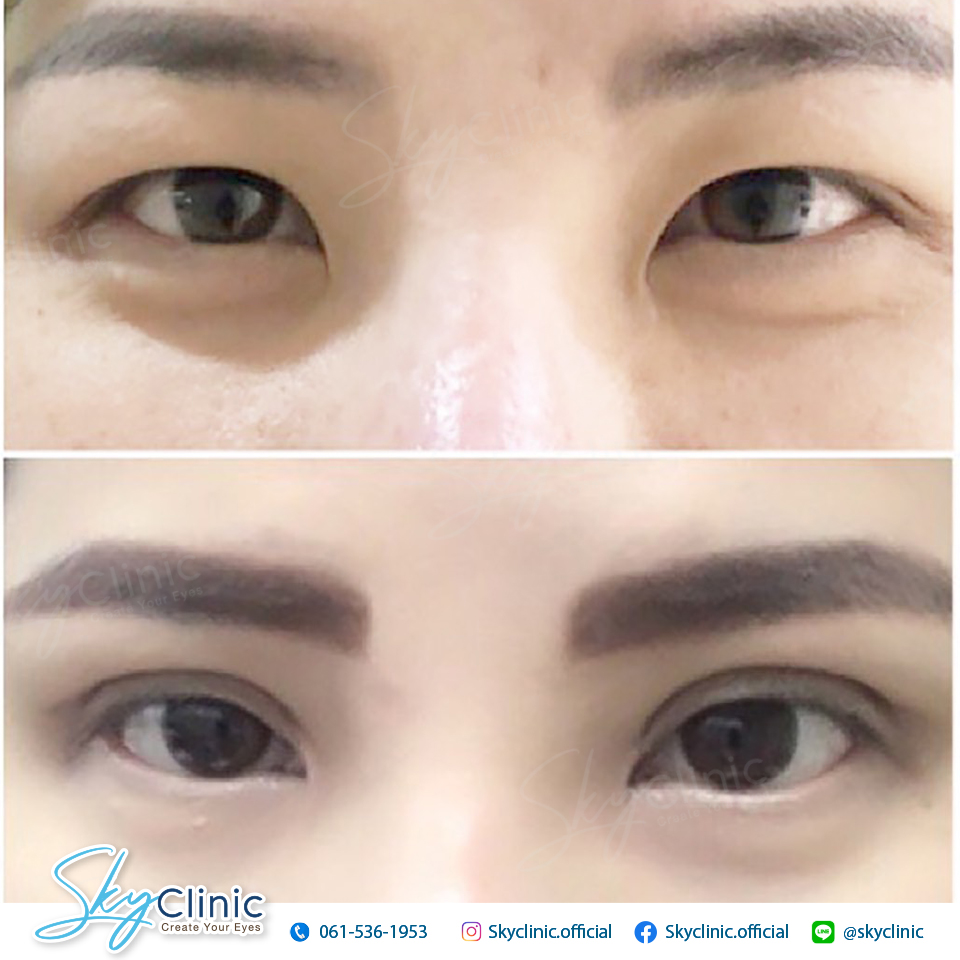
Each case should be evaluated individually by a specialized ophthalmologist to carefully balance:
- The potential benefits
- Facial harmony
- The possible risks or disadvantages
Because every surgical procedure carries some degree of risk, proper consultation and personalized assessment are always important before making a decision.
Source : Dr.Sky Burapadecha