


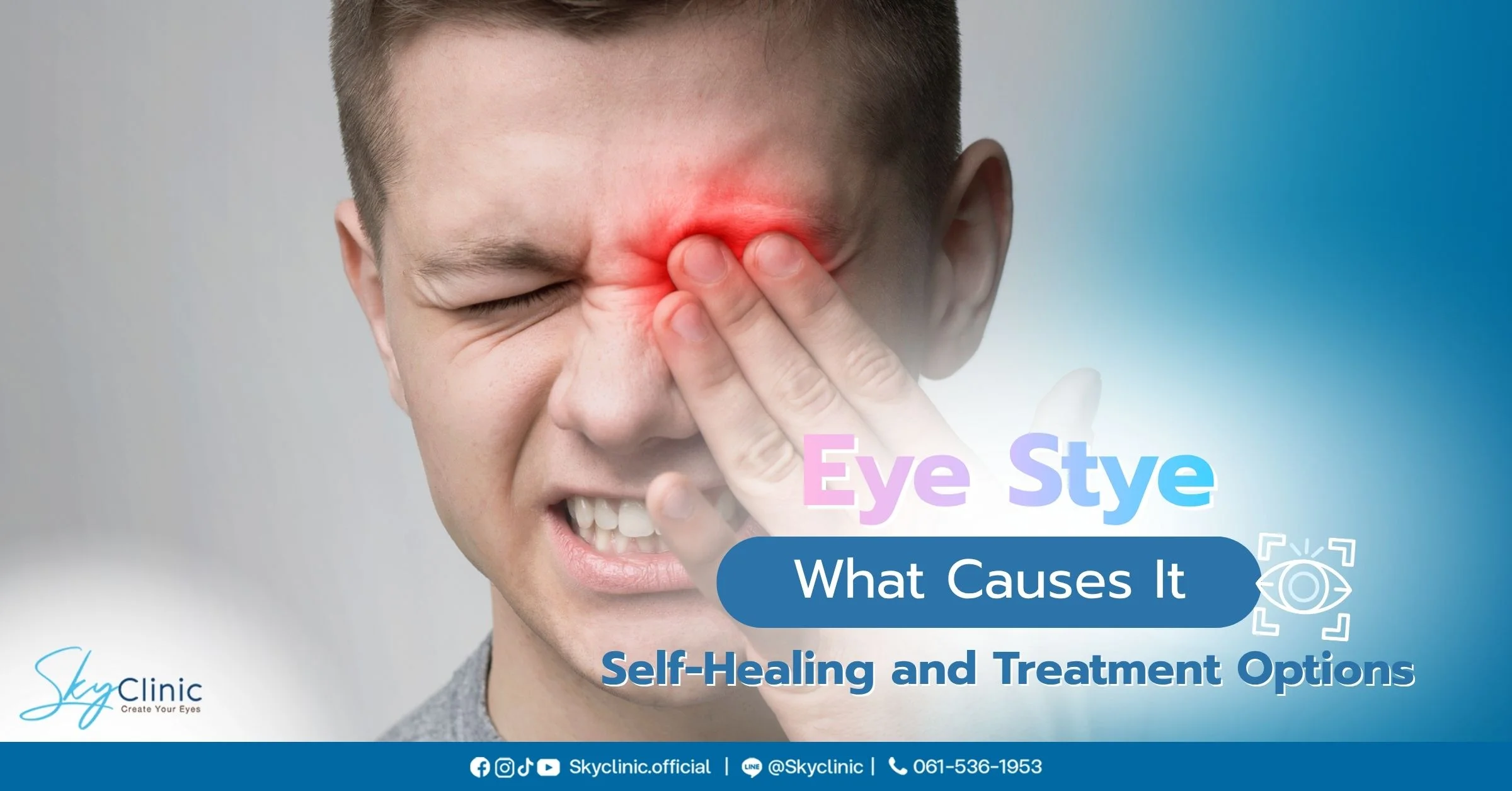
What Causes Trachoma? Is It Dangerous, and Can It Heal on Its Own?




The eyes are delicate organs that are extremely important for our daily lives. Various vision problems and eye diseases can occur at any time. One condition that often causes concern and many questions is trachoma. Many people may have heard of this condition and wonder what causes trachoma, what symptoms to watch for, whether it can heal on its own, or whether treatment is necessary. This article compiles all the information to help answer these questions in detail.
What Is Trachoma?
Understanding what trachoma is represents an important first step in protecting eye health from complications. This condition is not abnormal tissue growth like hemorrhoids, as some people mistakenly believe. Instead, it is an infectious eye disease with a specific disease mechanism that directly affects the conjunctiva and surrounding structures, leading to irritation and chronic inflammation.
Bacterial Infection from the Chlamydia Group that Causes Inflammation of the Eyes
The main cause of this disease is infection with the bacterium Chlamydia trachomatis, which is the same species responsible for some sexually transmitted infections, although the strains that affect the eyes are different. When this bacterium enters the eyes, it multiplies within the conjunctival cells, triggering a strong inflammatory response. The body then attempts to fight the infection, leading to redness and swelling of the surrounding eye tissues. If the infection is left untreated, it can cause permanent damage to the structure of the eyelids and conjunctiva.
Contact with Infected Secretions
Bacteria can spread rapidly through direct contact. Secretions from the eyes, nose, or throat of an infected person, such as eye discharge, nasal mucus, or pus, can all contain large amounts of bacteria. If a person touches these secretions and then rubs their eyes or touches their face, the infection can easily enter the eyes. Therefore, maintaining good personal hygiene and washing hands regularly are essential in preventing bacteria from entering the body and developing into a more serious condition.
Flies or fruit flies can act as carriers that transmit the infection to the eyes
In areas with poor sanitation or heavy dust, flies and fruit flies often play an important role in spreading the disease. These insects may land on infected eyes or facial secretions and then transfer the bacteria when they land on another person’s face or eyes. The bacteria can be carried on the insects’ legs or bodies and transmitted directly into the eyes of healthy individuals. Therefore, controlling insect populations and maintaining a clean environment free from breeding sources is an effective way to break the chain of transmission.
Sharing personal items with others
Every day, personal items that come into direct contact with the face and eyes, such as handkerchiefs, towels, pillowcases, and even makeup tools, can act as carriers that harbor bacteria for a long period of time. When these contaminated items are shared with others, bacteria from infected secretions can easily enter the eyes. Adjusting behavior by avoiding the sharing of personal items with family members or people around you can significantly reduce the risk of infection and effectively help prevent trachoma.
Symptoms of Trachoma to Watch For

Regularly observing any abnormalities in our eyes is essential. The symptoms of trachoma usually develop gradually and may initially resemble other eye conditions. Being aware of these warning signs helps us respond promptly and seek appropriate care before the condition progresses and becomes more difficult to treat.
Eye irritation, itchy eyes, or a sensation of a foreign body in the eye
The earliest and most common warning sign is eye discomfort. You may experience irritation, itching at the inner and outer corners of the eyes, or a sensation similar to sand or fine dust constantly moving under the eyelids. These symptoms can interfere with vision and cause frequent blinking or rubbing of the eyes. However, rubbing the eyes too forcefully can further irritate the conjunctiva, leading to increased inflammation and redness, and may also accelerate the spread of bacteria across the eye area.
Excessive tearing, red eyes, or abnormal eye discharge
As the inflammation becomes more severe, the small blood vessels in the white part of the eye become dilated, causing the eyes to appear noticeably red. The body responds by producing more tears than usual in an attempt to flush out foreign substances, resulting in constant tearing. In addition, thick eye discharge may be present, often yellow or green in color and resembling pus, accumulating along the eyelid margins. This is especially noticeable in the morning after waking up, when the discharge may stick the eyelids together and make it difficult to open the eyes. These are clear signs of a bacterial infection.
Small bumps on the inner surface of the eyelid conjunctiva
When the inner eyelid is flipped up for examination, a noticeable abnormality may be seen: small, raised bumps that are red or pale yellow scattered across the conjunctiva. These bumps are inflamed and enlarged follicles caused by infection. As they increase in number and cluster together, the inner surface of the eyelid becomes rough and uneven. Each blink can then cause friction against the cornea, leading to discomfort and increasing the risk of corneal abrasion or damage.
Chronic inflammation that may affect both eyes
The disease is often not limited to just one eye. Once one eye becomes infected, it can quickly spread to the other eye through contact. If not properly treated, the inflammation may become prolonged and chronic. Repeated episodes of inflammation can lead to scar tissue formation, causing the eyelid to turn inward. The eyelashes may then continuously rub against the cornea, resulting in structural damage that can ultimately lead to vision loss.
Is Trachoma Dangerous?
Trachoma is considered a serious condition and should never be ignored. If the bacterial infection is left untreated, chronic inflammation can lead to scar tissue formation that pulls the eyelid inward. This causes the eyelashes to rub and scratch the cornea with every blink. Continuous friction can result in corneal ulcers, clouding, and ultimately permanent blindness. Therefore, this disease is regarded as a silent threat that can severely damage vision if its importance is neglected.
Treatment of Trachoma
Although it is a serious disease, trachoma can be completely cured if it is detected and treated in the early stages. The treatment approach focuses on eliminating the bacterial infection that causes the disease and preventing long-term complications. It requires continuous care and strict adherence to medical advice to achieve the best possible outcomes.
Antibiotics are used to eliminate bacterial infection
The key principle of treatment is to eliminate Chlamydia trachomatis from the body. Specific antibiotics are used to inhibit the growth and kill these bacteria. Receiving the correct medication promptly helps reduce the severity of inflammation, prevent scar formation, and effectively stop the spread of the disease to others. It is necessary to take the medication exactly as prescribed in terms of dosage and duration, even if symptoms begin to improve, to prevent antibiotic resistance.
Use of eye ointments or oral medications as prescribed by a doctor
The form of medication may vary depending on the severity of the condition. In mild cases, antibiotics may be used in the form of eye drops or ointment applied directly to the conjunctiva to act locally. However, if the infection is more severe or has spread, oral antibiotics may also be required so that the medication can circulate through the bloodstream and eliminate the bacteria more comprehensively throughout the body. The choice of medication type and form must be determined by a qualified specialist only.
Close contacts may also need to be treated to prevent the spread of infection
Because it is a highly contagious disease that spreads easily through contact, family members or people living in the same household as an infected person are also at high risk of acquiring the bacteria, even if they do not yet show any symptoms. Providing antibiotics to close contacts is therefore an important measure to break the chain of transmission, prevent reinfection, and create a safer environment for everyone.
Frequently Asked Questions About Trachoma
When there are concerns about eye health, many people often have questions that need clear answers in order to build an accurate understanding and correct misconceptions. We have compiled frequently asked questions about trachoma and provided clear answers to help assess risk and adjust daily habits appropriately and more safely.
Can trachoma be transmitted from person to person?
Trachoma is definitely a contagious disease and can spread very easily. The bacteria responsible for the infection can be transmitted through contact with eye and nasal secretions from an infected person, whether through direct contact or by sharing personal items. In addition, flies and fruit flies can act as vectors, carrying the bacteria from one person to another. Maintaining basic hygiene, washing hands regularly, and avoiding rubbing the eyes are the first lines of defense in preventing the disease.
Are trachoma and conjunctivitis the same thing?
Although both conditions can cause similar symptoms such as red eyes, eye irritation, and discharge, trachoma is a specific type of conjunctivitis caused by the bacterium Chlamydia trachomatis. It is more severe and can lead to more dangerous complications. General conjunctivitis may be caused by viruses, other types of bacteria, or allergies, and it typically does not cause scar formation that pulls the eyelid inward, as seen in trachoma.
How long does it take to treat trachoma?
The duration of treatment depends on the severity of the lesions and how long the infection has been present. If detected in the early stage and treated properly with antibiotics, symptoms usually improve within a few weeks. However, if the condition is left untreated until scar tissue forms or the eyelid turns inward, treatment may take longer, and surgical correction of the eyelid structure may be required. Consistent use of medication and strict hygiene care are key factors in treatment success.
Summary

Trachoma is a bacterial infectious disease that can cause severe damage to the conjunctiva. If left untreated, it may spread and damage the cornea, potentially leading to blindness. This condition does not resolve on its own and requires antibiotic treatment along with strict hygiene care. For those looking for an eye surgery clinic for other eyelid concerns, you may consult the experienced ophthalmologists at Sky Clinic, who specialize in Double Eyelid surgery, Epicanthoplasty, Ptosis Correction, Subbrow Lift techniques, Endoscopic Brow Lift, and Under-eye Fat removal to provide treatment that is appropriate for your condition.
Source : -