


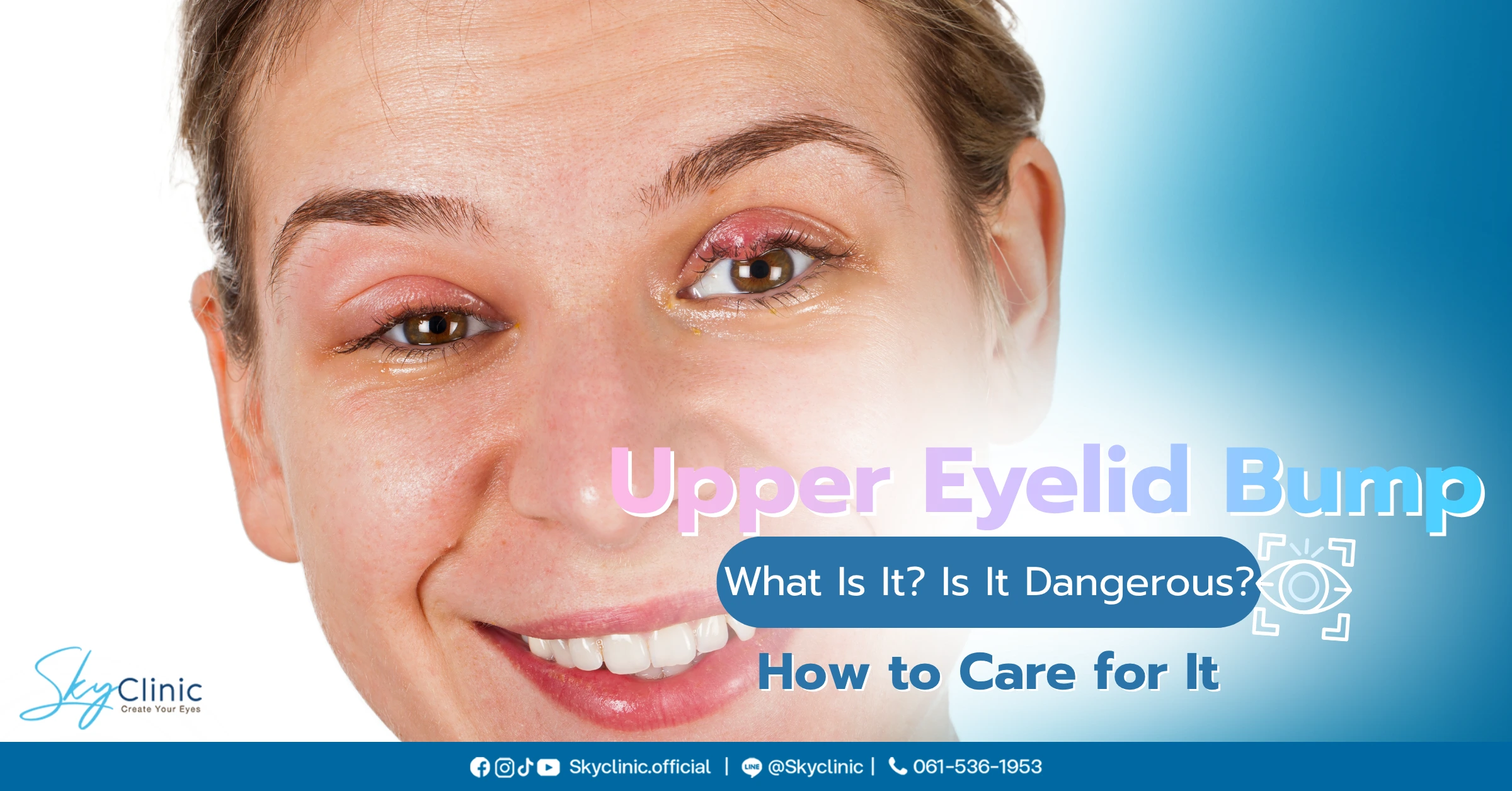
What Is a Bump on the Upper Eyelid, Is It Dangerous, and How Is It Treated?




Unusual symptoms around the eyes can often cause concern, especially when noticing a bump on the upper eyelid. Many people may wonder what causes these bumps, whether they are a warning sign of a serious health problem, and how they should be managed. This article explores the possible causes, symptoms, and treatment options to provide helpful information before consulting an ophthalmologist for an evaluation.
What Is a Bump on the Upper Eyelid?
A bump on the upper eyelid refers to a lump, raised area, or small bump that develops on the skin or tissue of the upper eyelid. The appearance of the bump may vary from person to person. Some may experience redness, swelling, and pain when touched, while others may have a firm lump without any pain. These bumps can occur due to various factors, ranging from blocked oil glands and infections to localized fat deposits under the skin. Observing the characteristics of the bump can provide clues about its possible cause.
Causes of Bumps on the Upper Eyelid
The causes of lumps or bumps on the eyelids can be classified into various types, with each cause having different characteristics and symptoms. Understanding the factors that contribute to these abnormalities can help assess the risks and identify appropriate preventive approaches. The main causes include the following:
Blocked Oil Glands Causing a Bump on the Eyelid
Within the eyelids, there are small oil glands that produce oil to help maintain the tear film. When these oil glands become blocked, the oil cannot drain normally and accumulates, causing the area to swell and form a raised bump, commonly known as a chalazion. In the early stages, there may be mild redness and swelling, which gradually develops into a firm, easily felt bump. A chalazion is usually not severely painful.
Bacterial Infection Causing a Stye
If the bump is noticeably swollen, red, and painful, it may be caused by a bacterial infection in the oil glands or hair follicles of the eyelashes, known as a stye (hordeolum). Bacteria may enter or spread to the eyelid through contact with contaminated hands or other sources. When an infection occurs, the body's immune response may cause an abscess to form, with pus accumulating inside, resulting in irritation and pain, particularly when the eyelid moves or blinks.
Fat Deposits Under the Skin
Sometimes, a bump on the eyelid may not be caused by a blockage or infection, but by the accumulation of fat beneath the skin (xanthelasma). It typically appears as a flat, yellowish patch around the inner corner of the eye or on the upper eyelid. These fatty deposits usually develop gradually without causing swelling, redness, or pain. Although they typically do not affect vision, they can affect appearance and self-confidence.
Habits that Increase the Risk
Many daily habits can increase the risk of developing bumps on the eyelids. Frequently rubbing the eyes with unwashed hands can transfer dirt and bacteria to the eye area. Failing to thoroughly remove eye makeup can also cause residue to accumulate and potentially block the oil glands. In addition, improper contact lens handling and use can further increase the risk of irritation and infection around the eyelids.
Underlying Conditions and High Blood Lipid Levels
Underlying health conditions can also be associated with the development of bumps on the eyelids. People with high blood lipid levels may have a higher risk of developing fatty deposits under the skin around the eyelids compared with the general population. In addition, certain skin conditions, such as dermatitis, or diseases that affect the immune system, may irritate the eyes and increase the risk of infection. Therefore, maintaining overall health is just as important as taking care of the skin from the outside.
Are Bumps on the Eyelids Dangerous?
Whether an eyelid bump requires medical attention depends on its characteristics, symptoms, and underlying cause. Most eyelid bumps are not serious, but they may cause discomfort and affect daily life. Understanding the characteristics of different types of bumps can help you recognize when an ophthalmologist should evaluate the condition.
Painful, Swollen, Red Bump with Pus
A bump that is swollen, red, painful when touched, and may have a visible white spot of pus at the tip may be a sign of an infection or stye. Proper hygiene and care are important to prevent the condition from worsening. Trying to squeeze the bump or pus yourself may worsen the inflammation or potentially spread the infection to nearby tissues.
Hard, Yellow, Painless Bump
If you notice a flat, slightly raised yellow bump or patch that is not painful when touched, it may be a fatty deposit beneath the skin, such as xanthelasma. This type of lesion is generally not harmful to the eyes and is not considered malignant. However, it may persist without treatment. If left untreated, it may gradually increase in size and affect facial appearance, and medical treatment may be considered if removal is desired.
How to Treat a Bump on the Upper Eyelid?
Managing a bump on the eyelid requires choosing an approach that is appropriate for its cause and symptoms. Treatment options range from basic self-care to medical procedures and treatments. The following are treatment options and eye-area hygiene measures that can be considered:
Basic Self-Care Methods
In the early stages, when swelling or a lump begins to appear, applying a warm compress to the eyelid for about 10–15 minutes, 3–4 times a day, may help soften blocked oil and promote drainage. At the same time, you should keep the area around your eyes clean, avoid eye makeup, and temporarily avoid wearing contact lenses to reduce irritation and avoid factors that may worsen the symptoms.
Eye Drops and Oral Medications

In cases where a bacterial infection causes a stye or significant inflammation is present, an ophthalmologist may consider prescribing antibiotics in the form of eye drops, eye ointments, or oral medications to treat the infection and reduce inflammation. These medications should be used under the supervision of a doctor and strictly according to their instructions to ensure appropriate treatment and help prevent antibiotic resistance in the future.
When Might a Doctor Consider Draining the Pus or Surgically Removing the Bump?
If warm compresses and medication do not improve the symptoms, or if the bump becomes large enough to interfere with vision, an ophthalmologist may consider draining the lesion or removing it surgically, depending on its cause. The procedure is performed in a clean, sterile environment. The doctor will administer a local anesthetic and make a small incision to drain or remove the lesion, which may help reduce swelling and resolve the underlying problem.
How to Treat Fatty Lumps on the Eyelid?
For yellow fatty deposits beneath the skin that do not disappear on their own, treatment focuses on removing the deposits for cosmetic purposes. The doctor will assess the size and location of the deposits to determine the appropriate treatment method and minimize the risk of scarring as much as possible. Options may include:
Laser Treatment uses focused laser energy to treat superficial fatty deposits. This method may be considered for small and superficial lesions. Any marks after treatment may gradually fade as the area heals.
Electrocautery uses electrical energy to treat and remove superficial fatty deposits. This method may be considered depending on the size, location, and characteristics of the lesion.
Surgery may be considered for large, thick, or widespread fatty deposits. The procedure may involve removing the affected tissue and closing the wound with sutures, depending on the size and location of the deposits.
Frequently Asked Questions About Bumps on the Upper Eyelid
When abnormalities occur around the eyes, they often raise questions and concerns. We have compiled frequently asked questions about bumps on the eyelids, along with general information and recommendations, to help you better understand the condition and make informed decisions about your eye care.
Can a Bump on the Upper Eyelid Go Away on Its Own?
If it is a small blocked oil gland, applying warm compresses and maintaining cleanliness may help the bump shrink and resolve on its own within a few weeks. However, if it is a severe infection or a fatty deposit beneath the skin, it usually will not go away on its own and may require medical treatment.
What Is the Difference Between a Stye and a Fatty Lump on the Eyelid?
A stye is caused by a bacterial infection and typically presents with swelling, redness, pain, and pus. A fatty lump such as xanthelasma is associated with localized lipid deposits beneath the skin and typically appears as a flat or slightly raised yellowish patch or lump. It usually feels like a firm lump without the pain or severe swelling and redness commonly associated with a stye.
Can You Squeeze a Bump on the Upper Eyelid Yourself?
You should never squeeze or puncture a bump on the eyelid yourself. Unclean hands and instruments can introduce bacteria into the affected area, potentially causing inflammation or infection that may spread to surrounding tissues and lead to complications.
Summary

Bumps on the eyelids can occur in various forms and for different reasons, including blockage, infection, or fat accumulation. Although many eyelid bumps are not serious, appropriate assessment and treatment can help manage the condition and relieve symptoms when needed. If you are looking for an Eyelid Surgery Clinic to address other eyelid concerns, you can consult an ophthalmologist at Sky Clinic, which offers Double Eyelid Surgery, Medial Epicanthoplasty, Ptosis Correction, Subbrow Lift, Under-Eye Bag Removal Surgery, and Endoscopic Brow Lift Surgery with the Endobrow Lift technique, to receive treatment suited to your concerns.
Source : -