


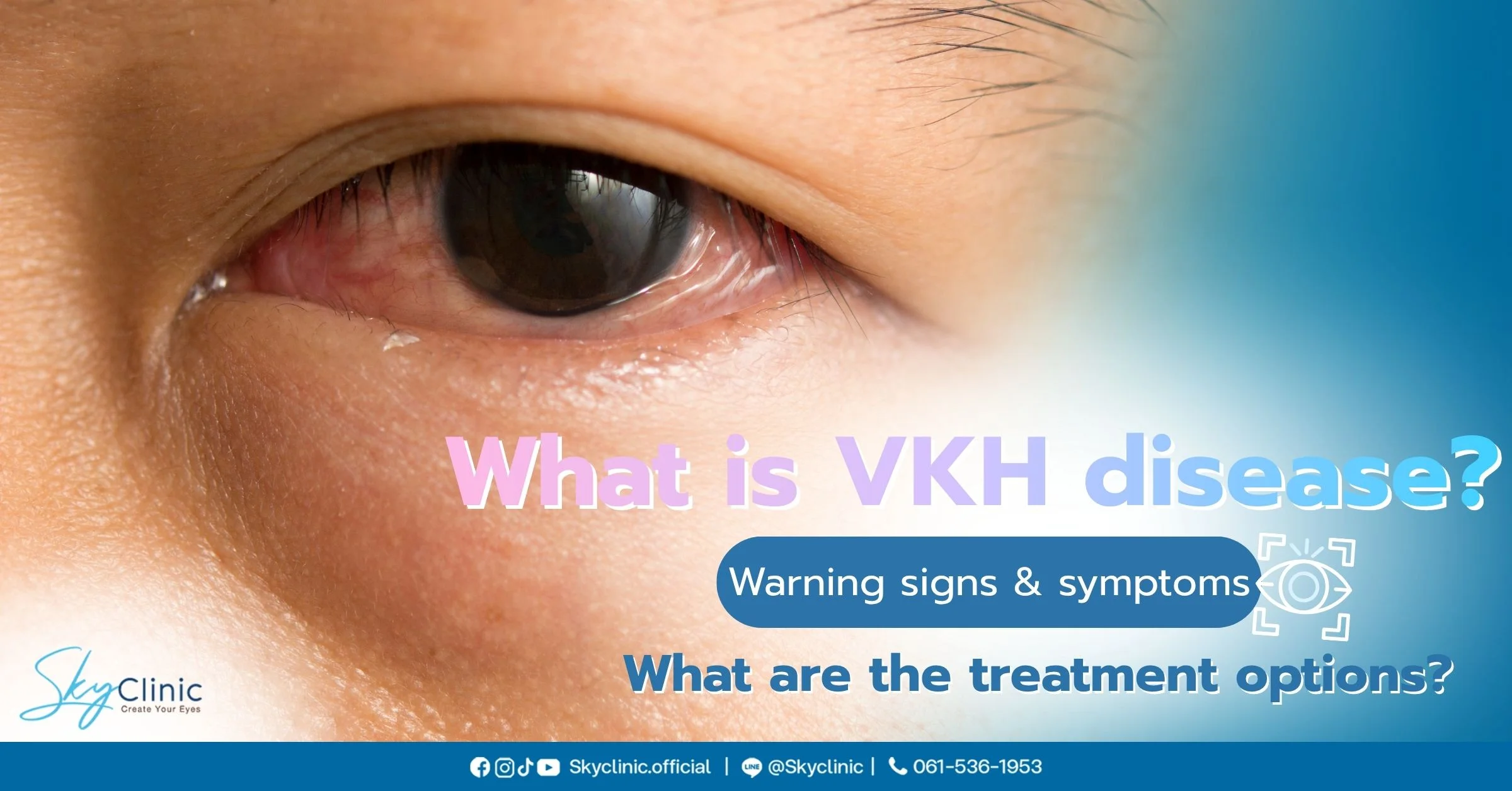
What Is VKH Disease? What Are Its Symptoms, and How Dangerous Is It to the Eyes?




Many people may not be familiar with Vogt-Koyanagi-Harada (VKH) disease, but this condition can affect multiple body systems, particularly the eyes, and may lead to vision loss. Recognizing symptoms affecting the eyes, ears, and skin can help you identify warning signs and seek medical attention promptly. Early diagnosis and treatment may help prevent the condition from progressing, reduce the risk of complications, and protect your quality of life.
What Is VKH Disease?
VKH disease, or Vogt-Koyanagi-Harada syndrome, is an autoimmune disease in which the immune system mistakenly attacks the body’s own pigment-producing cells (melanocytes). These cells are found in various parts of the body, particularly in the eyes, skin, ears, and meninges (the membranes surrounding the brain and spinal cord), resulting in inflammation. In simple terms, VKH disease occurs when the body’s immune system reacts against melanocytes, causing abnormalities in multiple body systems where these cells are present.
Warning Signs and Symptoms of VKH Disease
Symptoms of VKH disease often develop suddenly and may affect multiple body systems. If you notice the following characteristic changes in different parts of the body, you should promptly consult an ophthalmologist for a thorough examination and diagnosis.
Eye Symptoms
These are among the most common and severe symptoms of VKH disease. They often include rapidly worsening blurred vision in both eyes, light sensitivity, eye pain, and floaters (dark spots that seem to drift across the field of vision). VKH-related eye inflammation, known as uveitis, affects the uvea and may involve the retina. It can cause retinal swelling or detachment. Without appropriate treatment, the condition may lead to glaucoma, cataracts, or permanent vision loss.
Ear Symptoms
In addition to vision problems, VKH disease can also affect hearing. Common symptoms include ear fullness, reduced hearing, and tinnitus (ringing or buzzing in the ears, similar to the sound of insects). These symptoms often occur at the same time as, or shortly after, the eye symptoms. Some people may also experience balance problems due to inner ear involvement.
Skin and Hair Symptoms
When the immune system attacks pigment-producing cells, visible physical changes may occur, such as patchy hair loss, premature graying, and whitening of the eyebrows or eyelashes. White patches of skin (vitiligo) may also appear on different parts of the body. These symptoms often develop during the later stages of the disease or during recovery.
Neurological Symptoms
In the early stages of the illness, flu-like symptoms may occur, along with a severe headache, neck stiffness, pain when moving the neck, or a low-grade fever. These symptoms may result from inflammation of the meninges, the membranes surrounding the brain and spinal cord. If you experience an unusual headache along with blurred vision and ear fullness, seek medical evaluation rather than assuming the symptoms are caused by ordinary stress alone.
Causes of VKH Disease

Although the exact cause of VKH disease has not yet been fully established, studies suggest that several factors may trigger an abnormal immune response, leading to the development of the disease. The main causes and risk factors can be summarized as follows:
Genetic factors: People with certain genetic markers, such as HLA-DR4, may have a higher risk of developing the disease than the general population. These markers are more commonly associated with VKH in Asian populations.
Viral infections: Exposure to certain viruses may act as a trigger, causing the immune system to respond abnormally and attack the body’s own pigment-producing cells.
Immune system dysfunction: The body’s immune system mistakenly targets melanocytes, the pigment-producing cells found in the eyes, ears, and skin, leading to inflammation in these organs.
Treatment Approaches
Treatment requires consistency and ongoing care from an experienced ophthalmologist to reduce inflammation and prevent complications. The main goals are to bring the disease under control and preserve vision as much as possible. The main treatment approaches include:
Corticosteroid therapy: Corticosteroids are the mainstay of treatment during the acute phase, helping to rapidly reduce inflammation in the eyes and other organs. The doctor may prescribe high-dose intravenous corticosteroids initially, followed by oral medication with a gradual dose reduction as symptoms improve. Using these medications correctly under medical supervision can help reduce the risk of side effects.
Immunomodulatory medications: If the body does not respond adequately to corticosteroids, or the steroid dose needs to be reduced to avoid long-term side effects, an ophthalmologist may consider adding immunomodulatory medications. These help control the disease and prevent recurrence. Regular blood tests are required to monitor treatment.
Ongoing eye treatment and care: If the disease causes cataracts or glaucoma, these conditions require appropriate treatment. For some patients who have concerns about changes in eye appearance after the disease has become inactive, double eyelid surgery to address drooping or refine the eye shape for a fresher appearance may also be considered once the eyes are healthy and stable.
Frequently Asked Questions About VKH Disease
Can VKH Disease Be Cured Completely?
VKH disease can go into remission, and its symptoms can be controlled if it is diagnosed and treated promptly in the early stages. Vision may improve significantly with appropriate treatment. However, the disease may flare up again, even after symptoms have improved. Therefore, regular follow-up with an ophthalmologist is essential to monitor the condition and prevent further inflammation from damaging the eyes.
Why Does VKH Disease Cause Hair Loss or White Patches on the Skin?
The immune system mistakenly targets melanocytes, the cells responsible for producing melanin. These cells are found not only in the eyes but also in the hair follicles and skin. When the immune system attacks these cells, it can cause hair loss, hair to turn white, or patches of skin to lose their pigment and become white. This is related to the same underlying immune response that affects the eyes.
What Should You Do If You Experience Blurred Vision Along with a Headache and Ear Fullness?
You should see an ophthalmologist immediately rather than waiting to see if the symptoms improve. Experiencing all three symptoms: eye problems, ear symptoms, and a headache, at the same time can be a warning sign of VKH disease. Delaying treatment may lead to retinal detachment or permanent hearing loss. Prompt treatment with anti-inflammatory medications can improve the chances of recovering normal vision and hearing.
Summary

VKH disease requires careful attention to changes in the body, particularly eye symptoms associated with other body systems. Although the condition may seem concerning, early recognition and prompt treatment can help bring the disease under control and allow you to maintain your daily quality of life. Eye health is therefore something that should never be neglected. If you are concerned about your eye health or looking for a reputable eye surgery clinic, Sky Clinic is ready to provide care under the supervision of experienced ophthalmologists. We also offer cosmetic procedures, such as Double Eyelid Surgery, to enhance the appearance of the eyes and create a brighter, more refreshed look.
Source : -