



What are bags under the eyes? Causes and treatment methods by an ophthalmologist




The eyes are the focal point of the face, reflecting both brightness and overall health. However, when sagging or puffiness develops under the eyes, the face can appear tired, aged, and less refreshed. Many people try to solve the problem on their own but may not achieve effective results. Understanding what under-eye bags are and how they develop can help us choose the safest and most effective treatment approach. In this article, Sky Clinic takes a closer look at the causes of under-eye bags and the proper treatment options guided by an ophthalmologist.
What Are Under-Eye Bags?
Under-eye bags are protruding fat pads beneath the eyes. These fat pads naturally exist around the eyes, but due to swelling, aging, or weakening of the lower eyelid muscles and skin, the fat becomes more visible and bulges outward.
Under-eye bags can appear as early as adolescence and often become more noticeable with age, causing the face to look tired, exhausted, and older than its actual age.
Types of Under-Eye Bags
Under-eye bags can generally be divided into two main types based on their causes and appearance.
True Under-Eye Bags
True under-eye bags occur when the fat pads beneath the eyes protrude prominently. This condition is commonly caused by genetics or aging. As the muscles and skin of the lower eyelid weaken over time, they can no longer support the fat pads effectively, causing them to bulge outward permanently.
True under-eye bags are usually visible all the time, regardless of sleep or rest, and they rarely disappear on their own. General skincare may provide only minimal improvement, so medical evaluation is often recommended.
Temporary or False Under-Eye Bags
False under-eye bags are not caused by protruding fat pads directly, but rather by fluid retention, poor blood circulation, or lymphatic drainage issues. Common triggers include lack of sleep, stress, allergies, dehydration, and lifestyle habits.
These under-eye bags tend to fluctuate and may become more noticeable during periods of fatigue or insufficient rest. They can often improve with proper self-care and lifestyle adjustments.
What Causes Under-Eye Bags?
Several factors contribute to under-eye puffiness and sagging:
- Genetics
- Aging
- Lack of sleep
- Stress
- Dry or dehydrated skin
- UV exposure
- Allergies and frequent eye rubbing
- Certain medical conditions such as kidney disease or heart disease
Each factor affects the delicate structures around the eyes differently, leading to varying degrees of puffiness and sagging.
Why Does Everyone’s Under-Eye Area Look Different?
Everyone has unique facial anatomy, including different orbital bone structures, fat distribution, skin thickness, and muscle strength. Some people mainly experience fat protrusion, while others may also develop deep tear troughs or excess sagging skin. These differences explain why under-eye bags vary greatly from person to person.
Stages of Under-Eye Bags
Early Stage
Mild puffiness appears occasionally, especially during fatigue or eye strain, while the skin still remains relatively firm.
Moderate Stage
The fat pads become more noticeable regularly, and early skin laxity or tear trough formation may appear.
Advanced Stage
The under-eye bags become significantly enlarged with visible wrinkles and sagging skin, causing the face to look considerably more tired and aged.
How Under-Eye Bags Affect Appearance and Confidence
Because the eyes are often the first feature people notice during communication, under-eye bags can make the face appear exhausted, sad, or older than expected. This may affect confidence in social interactions and professional settings. Correcting under-eye bags can therefore improve not only facial appearance but also emotional well-being and self-confidence.
When Should You See a Doctor?
If lifestyle changes, skincare, and adequate rest fail to improve persistent puffiness under the eyes, it may be time to consult an ophthalmologist. A specialist can evaluate the true cause of the problem and recommend the most suitable and safest treatment plan.
6 Ways to Improve Under-Eye Bags
1. Natural Eye Masks
Cold compresses and natural ingredients such as cucumber slices, chilled tea bags, or aloe vera gel may help reduce swelling temporarily.
2. Getting Enough Sleep
Sleeping 7–8 hours per night and elevating the head slightly while sleeping may reduce fluid retention around the eyes.
3. Healthy Nutrition
Reducing sodium intake and consuming foods rich in vitamins C and E can support skin health and collagen production.
4. Regular Exercise
Exercise improves blood circulation and lymphatic drainage, helping reduce fluid buildup around the face and eyes.
5. Gentle Under-Eye Massage
Light massage around the eyes may improve circulation and reduce fluid accumulation when performed carefully.
6. Under-Eye Bag Surgery
For permanent true under-eye bags caused by fat protrusion and skin laxity, surgery performed by a specialized ophthalmologist is often the most effective solution.
Under-Eye Bag Surgery at Sky Clinic
At Sky Clinic, surgical techniques are selected individually based on each patient’s anatomy and condition.
1. Scarless Under-Eye Surgery
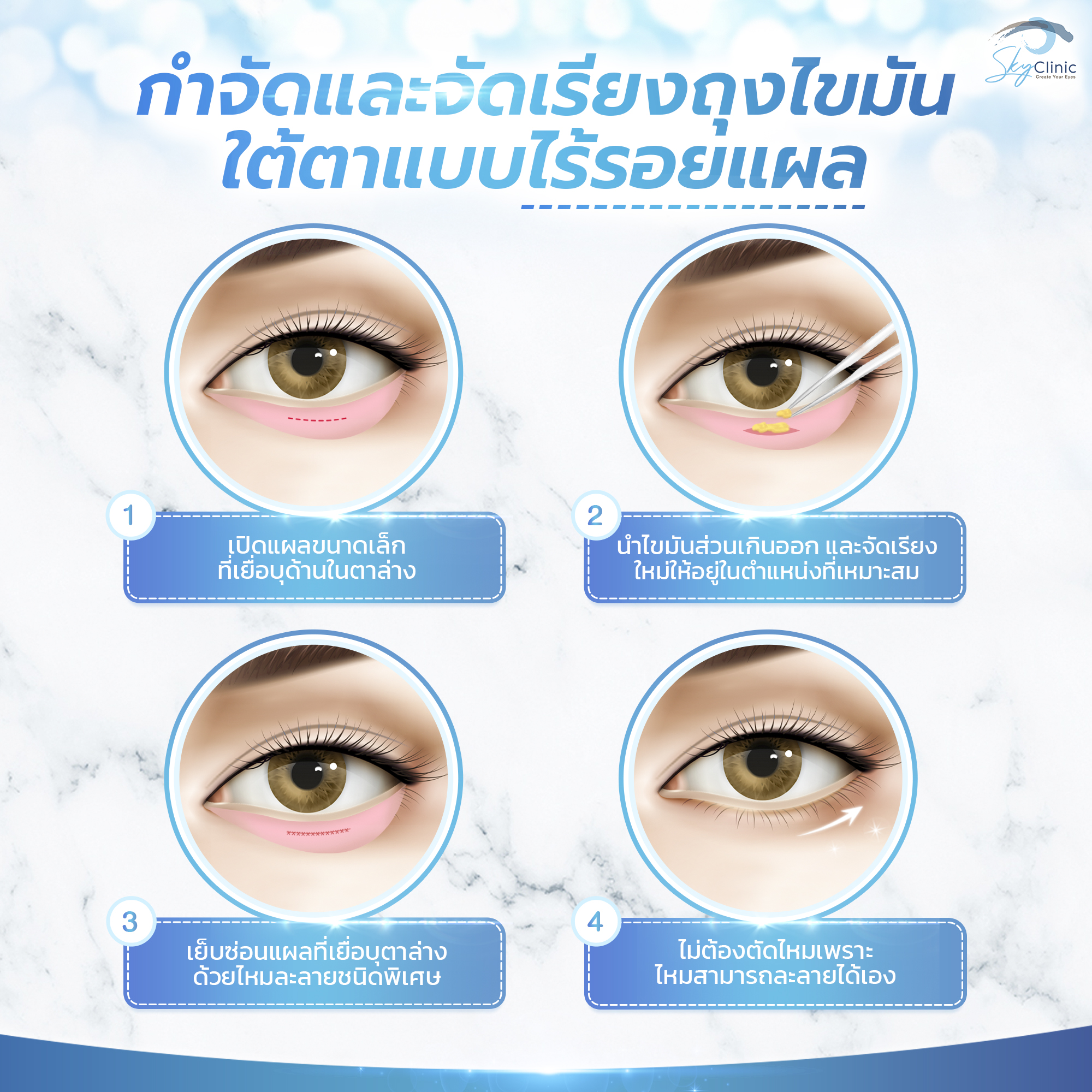
This technique uses a small incision inside the lower eyelid to remove or reposition excess fat.
Advantages
- No visible external scar
- Tiny incision
- Faster recovery
- No stitches required
Limitations
- Not suitable for severe skin laxity
- Not ideal for patients with previous filler injections
- Less suitable for revision cases
2. External Incision Under-Eye Surgery

An incision is made close to the lower lash line, allowing removal of excess skin and fat simultaneously.
Advantages
- Removes excess sagging skin
- Suitable for advanced aging changes
- Improves both puffiness and wrinkles
Limitations
- Requires stitches
- Temporary visible scar during healing
- Stitch removal required after 7–10 days


Frequently Asked Questions
Can under-eye bags disappear on their own?
Temporary swelling caused by fatigue or fluid retention may improve with proper rest and self-care. However, true under-eye bags caused by fat protrusion and aging generally do not disappear naturally.
Can young people develop under-eye bags?
Yes. Genetics and facial structure can cause under-eye bags even at a young age.
How do I choose the right treatment?
The best treatment depends on the underlying cause. A specialist evaluation can determine whether the issue comes from fat protrusion, skin laxity, or swelling, allowing for a personalized treatment plan.
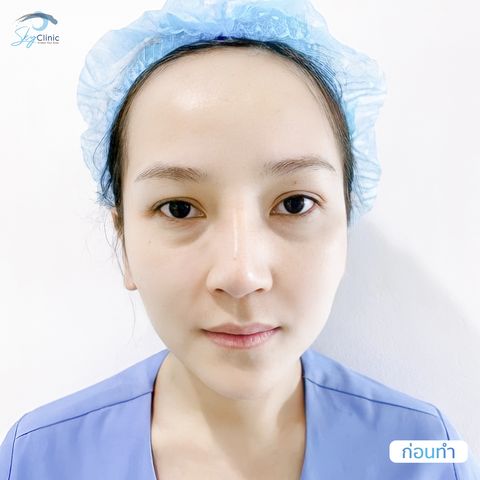
Under-Eye Bag Surgery Case Examples

Conclusion
Under-eye bags are caused by a combination of anatomy, aging, genetics, and lifestyle factors. Understanding the true cause helps guide the most appropriate treatment approach.
While self-care may improve mild or temporary puffiness, persistent or structural under-eye bags often require professional evaluation. With proper diagnosis and treatment planning by an experienced ophthalmologist, patients can achieve natural-looking, safe, and long-lasting results.
Source : Dr. Sky Burapadecha