


Cataract: Causes, Symptoms, and Treatment Options




Gradually worsening cloudy or blurred vision may be a warning sign of an eye condition that many people experience. If you are wondering what a cataract is and how it affects vision, this article explores its causes, symptoms, and treatment options to help you better understand the condition and how it can be managed appropriately.
What Is a Cataract?
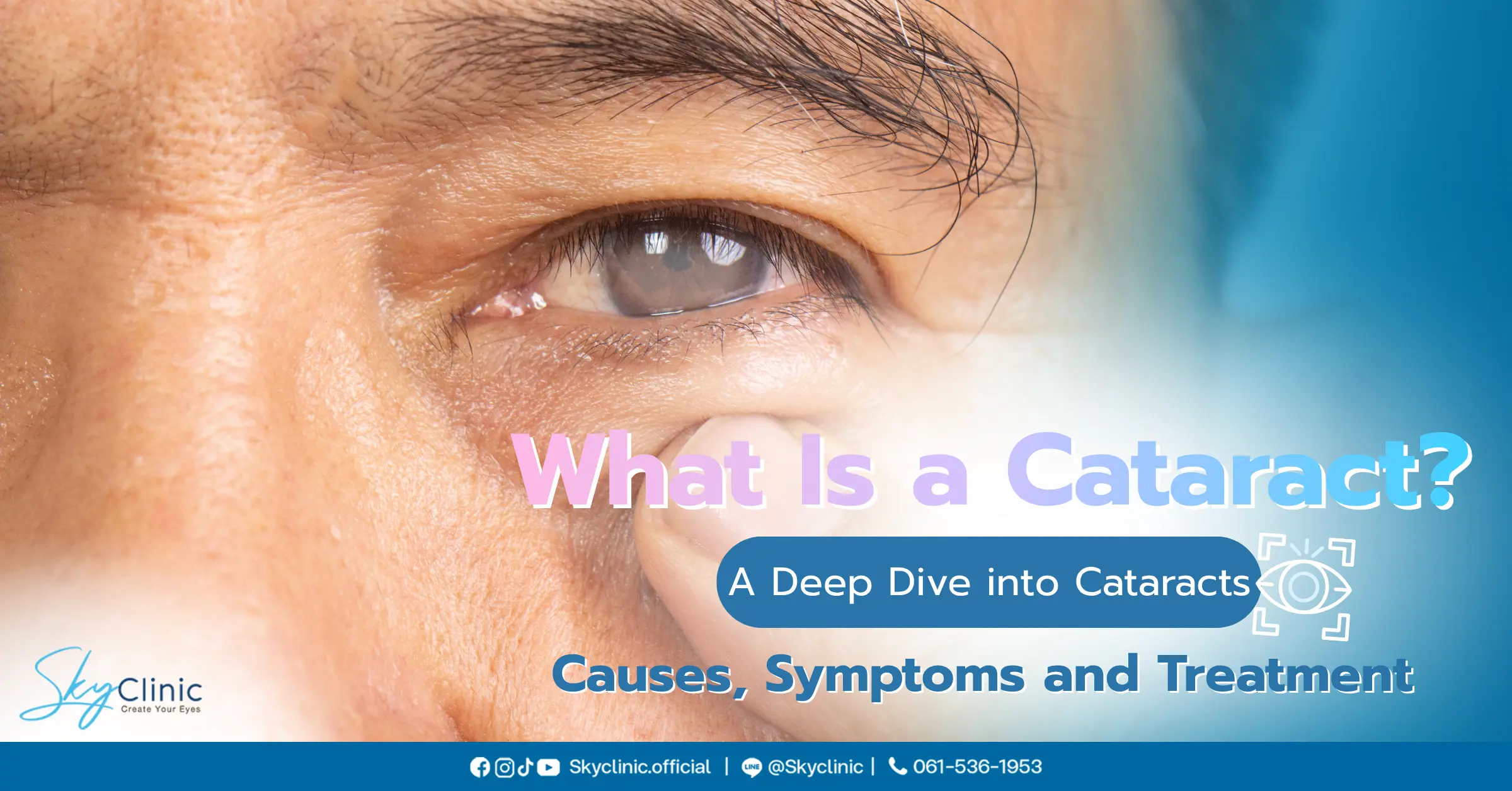
A cataract is a condition in which the normally clear lens of the eye becomes cloudy, preventing light from passing through to the retina properly. This causes blurred or hazy vision, as if a fog is blocking your view. A cataract is not a tumor but a condition caused by changes in the proteins within the lens as they break down and clump together. Symptoms usually develop gradually and can affect vision during everyday activities. If left untreated, vision may continue to worsen.
What Causes Cataracts?
Clouding of the eye’s lens can occur for several reasons. Understanding the underlying causes can help you take better care of your eyes and become more aware of potential risk factors. Let’s explore the main factors that can cause the lens to deteriorate and become cloudy.
Increasing Age
Age-related changes are the most common cause of cataracts. As people get older, the proteins in the natural lens begin to break down and clump together, causing the previously clear lens to gradually become cloudy and turn yellowish or brownish. This condition is more common in people aged 50 and older and is part of the natural aging process.
Underlying Medical Conditions and Certain Medications
People with certain medical conditions, such as diabetes, are at greater risk of developing cataracts at an earlier age. High blood sugar levels can affect the composition of the proteins in the eye’s lens. In addition, long-term use of certain medications, particularly corticosteroids taken orally or used as eye drops, can accelerate clouding of the natural lens.
Habits That Can Harm the Eyes
Certain everyday habits may harm the eyes without people realizing it. Prolonged exposure to ultraviolet (UV) radiation from strong sunlight without protection can damage the lens. Smoking and excessive alcohol consumption may also contribute to oxidative stress, which can damage cells within the lens. These factors may accelerate changes in the lens and increase the risk of cataracts.
Eye Injuries and Inflammation
Eye injuries caused by a strong impact or penetration by a sharp object can damage the structure of the lens and lead to clouding. In addition, chronic inflammation inside the eye or certain infections can affect the clarity of the natural lens. Clouding may occur immediately after an injury or develop gradually over time.
Congenital Cataracts
Congenital cataracts can occur in newborns and young children. They may result from certain infections during pregnancy, such as rubella, which can affect the development of the baby’s lens, or from genetic abnormalities. Early assessment and management by an ophthalmologist can help reduce the risk of long-term effects on a child’s visual development.
Symptoms of Cataracts
Recognizing changes in vision at different stages can help you seek an eye examination promptly. Symptoms generally change as the cloudiness of the lens progresses. Let’s look at the warning signs that may occur at each stage.
Early stage: Vision may begin to change, with blurred or unclear images and changes in refractive error that make focusing more difficult. Some people may also experience headaches when concentrating on visual tasks for long periods.
Immature cataract stage: The lens begins to become cloudy, often starting in the central area. Vision becomes increasingly blurred, as if a persistent fog or haze is obstructing the view. Seeing clearly in bright environments may become more difficult, and nearsightedness may increase rapidly.
Mature cataract stage: Cloudiness spreads throughout the lens, significantly reducing vision and affecting daily activities. Driving at night may become difficult. At this stage, an ophthalmologist should assess the condition and discuss appropriate treatment options.
Hypermature cataract stage: The lens becomes extremely cloudy, and its structure may harden or deteriorate. Vision can decline until very little sight remains. Treatment may become more complex, and leaving the condition untreated may lead to complications such as inflammation, lens swelling, or leakage of lens proteins, which can increase eye pressure and potentially cause vision loss.
How Are Cataracts Treated?

When the natural lens of the eye becomes cloudy, eye drops and oral medications cannot restore its clarity. The main treatment is therefore surgery to remove the cloudy lens and replace it with an artificial intraocular lens (IOL). Let’s look at the surgical techniques currently used by ophthalmologists.
Phacoemulsification
Phacoemulsification is one of the most widely used techniques for cataract surgery. The ophthalmologist makes a small incision of approximately 2–3 millimeters in the cornea. An instrument is then inserted to emit high-frequency ultrasound waves that break the cloudy lens into tiny fragments, which are subsequently suctioned out. Once the cloudy lens material has been removed, an artificial intraocular lens (IOL) is implanted in its place. Because the incision is very small, stitches are usually not required.
Extracapsular Cataract Extraction
This technique may be used when the cataract is very advanced and the lens has become too hard to be broken up using ultrasound. After assessing the condition, the ophthalmologist makes a larger incision in the eye to remove the cloudy natural lens in one piece while leaving the lens capsule in place. An artificial intraocular lens (IOL) is then implanted in the eye. Stitches are usually required to close the incision and allow the surgical wound to heal.
How to Prevent Cataracts and Slow Their Progression
Although age-related changes in the lens are a natural process, certain lifestyle changes may help protect eye health and potentially slow the progression of cataracts. Taking care of your eyes early may help preserve vision for longer. Consider the following recommendations:
Have regular comprehensive eye examinations: Schedule a comprehensive eye examination every year, especially from around age 40 onward, so an ophthalmologist can assess the condition of your eyes and lens. If any abnormalities are detected, appropriate measures can be planned promptly.
Protect your eyes from sunlight: Wear sunglasses that provide effective UV protection whenever you engage in outdoor activities. This helps reduce exposure to ultraviolet (UV) radiation, which may contribute to damage to the proteins and cells in the natural lens.
Maintain a balanced diet: Eat a balanced diet rich in essential nutrients, particularly vitamins A, C, and E, to support overall eye health. However, current evidence is insufficient to conclude that vitamin supplements alone can reduce the risk of cataracts.
Frequently Asked Questions About Cataracts
Many people have questions about cataracts and how to care for their eyes after consulting an ophthalmologist. We have compiled some frequently asked questions to provide basic information about eye health and help address common concerns before an eye examination.
Can Cataracts Return After Surgery?
Once the ophthalmologist has removed the cloudy natural lens and replaced it with an artificial intraocular lens (IOL), the cataract itself cannot return. However, the membrane behind the artificial lens may become cloudy over time, causing vision to become blurred again. This condition, known as posterior capsule opacification (PCO), can be treated with a laser procedure to help restore clear vision.
Can Cataracts Be Treated With Eye Drops?
Currently, no eye drops, oral medications, or vitamin supplements have been proven to dissolve the cloudiness of the natural lens or restore its original clarity. Some eye drops may provide temporary relief from eye irritation, but they cannot treat the cataract itself. When cataracts significantly affect vision or daily activities, cataract surgery to remove the cloudy lens and replace it with an artificial intraocular lens (IOL) is the established treatment.
Do Early-Stage Cataracts Require Surgery?
If the cataract is still in its early stages and does not significantly affect vision or daily activities, the ophthalmologist may recommend updating your prescription glasses to improve vision. Immediate surgery may not be necessary. However, regular follow-up eye examinations should be scheduled as recommended by the ophthalmologist.
Summary

Cataracts are an age-related condition that can affect anyone as they grow older. Recognizing changes in vision and having regular eye examinations can help ensure timely care. For those looking for an Eye Surgery Clinic to address other eyelid concerns, Sky Clinic offers consultations with ophthalmologists and procedures including Double Eyelid Surgery, Medial Epicanthoplasty, Ptosis Correction, Subbrow Lift, Under-Eye Bag Removal Surgery, and Endoscopic Brow Lift Surgery, with treatment options tailored to individual concerns.
Source : -