


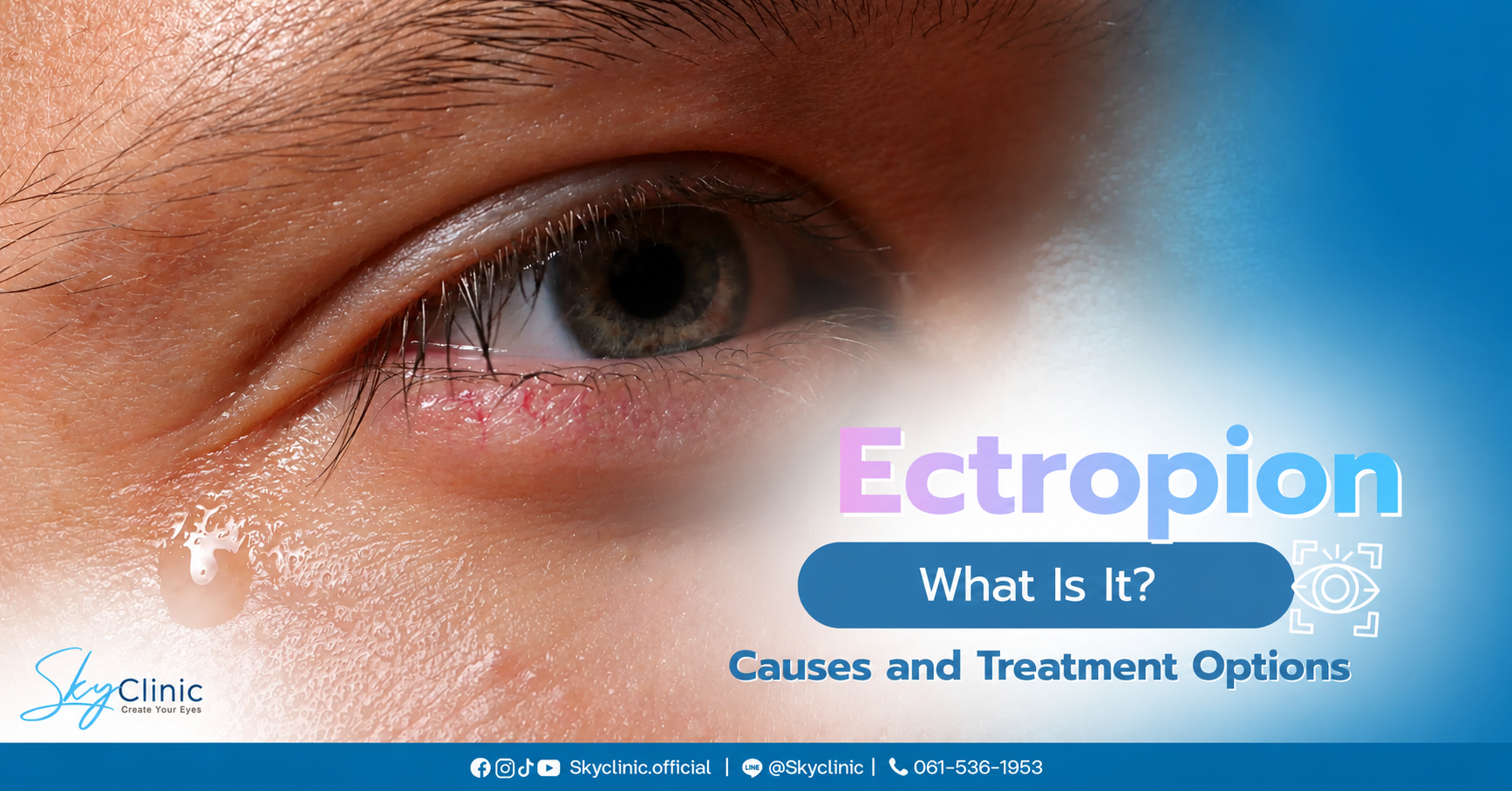
Ectropion: What Is It, Is It Dangerous for the Eyes, and How Is It Treated?




The eyes are delicate yet essential organs responsible for both vision and emotional expression. However, certain eye conditions can affect not only comfort and eye health but also self-confidence and daily quality of life. One such condition is ectropion, which can cause persistent irritation and may negatively impact long-term ocular health if left untreated. In this article, Sky Clinic will guide you through what ectropion is, its underlying causes, warning signs, and available treatment options to help restore healthier, more comfortable, and naturally refreshed-looking eyes.
What Is Ectropion?
Ectropion, sometimes referred to as an ‘outward-turned eyelid,’ is a condition in which the eyelid margin, most commonly the lower eyelid, turns or droops outward rather than resting snugly against the surface of the eye as it normally should. As a result, the inner eyelid lining (the conjunctiva), which is typically protected, becomes exposed to air and environmental irritants. Exposure of this delicate tissue to wind, dust, and debris can lead to symptoms such as irritation, redness, dryness, a burning sensation, and excessive tearing due to impaired tear drainage.
How Is Ectropion Different from Entropion?
Many people may confuse these two conditions, as both involve eyelid structural abnormalities that can cause similar eye irritation. However, the main difference is the direction in which the eyelid turns. Ectropion is when the eyelid turns outward, exposing the inner eyelid lining to air, which can lead to dryness and inflammation. In contrast, entropion is when the eyelid turns inward toward the eyeball, causing the eyelashes and skin to rub directly against the cornea. This can cause pain, irritation, a constant foreign body sensation, and an increased risk of corneal abrasion. Although the eyelids turn in opposite directions, both conditions can negatively affect eye health and should be evaluated by an ophthalmologist to determine the safest and most appropriate treatment.
What Causes Ectropion?

Ectropion (outward turning of the eyelid) does not occur without cause. It develops as a result of structural changes, weakening, or dysfunction of the tissues surrounding the eye and eyelid. Common causes of ectropion include the following:
Age-Related Eyelid Laxity
With aging, the skin, muscles, and tendons that support the eyelids gradually lose elasticity and become increasingly lax. As a result, the lower eyelid may no longer maintain its normal, snug position against the surface of the eye. This age-related weakening is one of the most common causes of ectropion, particularly in older adults.
Weakness of the Eye Muscles
The muscles around the eyes are essential for proper eyelid movement and support. If the facial nerve that controls these muscles is affected by conditions such as nerve inflammation, facial paralysis, or trauma, the muscles may weaken. This can prevent the eye from closing fully and may cause the eyelid to loosen or turn outward.
Post-Surgical or Traumatic Scarring
Scarring of the lower eyelid—whether resulting from trauma, burns, or surgical procedures involving excessive skin removal can lead to scar contracture. As the scar tissue tightens and contracts, it may pull the lower eyelid outward, resulting in ectropion.
Abnormal Eyelid Structure
In some cases, anatomical factors may contribute to the development of ectropion. Individuals may have a more recessed orbital bone structure than usual, or develop masses or tumors along the eyelid margin. These structural abnormalities can place pressure on the eyelid, pushing it outward and resulting in ectropion.
Congenital Abnormalities
Although uncommon, ectropion can be present from birth. Congenital cases are often associated with genetic or developmental abnormalities that affect normal eyelid formation and structure.
High-Risk Groups for Ectropion
From the causes mentioned above, it can be seen that this condition is associated with aging, overall health, and certain medical conditions. People at higher risk of ectropion include:
Older adults with laxity of the skin and muscles around the eyes
People who frequently rub their eyes, causing the eyelids to stretch and lose strength
People who wear contact lenses for extended periods and frequently pull on their eyelids
Individuals with a recessed orbital bone structure
People with a history of facial trauma or eyelid injuries
Individuals who have undergone eye area surgery or received filler or foreign substance injections in the lower eyelid area
Is Ectropion Dangerous for the Eyes?
Many people wonder whether ectropion is simply a cosmetic concern or a condition that can also affect eye health. In reality, untreated ectropion can have significant ocular consequences. When the conjunctiva remains exposed, it may become dry, irritated, and inflamed, leading to chronic eye discomfort, excessive tearing, and an increased risk of conjunctival and corneal infections. In more advanced cases, corneal damage may occur and potentially compromise long-term vision. For this reason, ectropion is a condition that should be properly evaluated and managed by a specialist ophthalmologist.
How Is Ectropion Treated?

The treatment approach for ectropion depends on its underlying cause and the severity of the condition. After a thorough evaluation, the doctor will determine the most appropriate treatment strategy to restore ocular health, improve eyelid function, and enhance eyelid appearance. Common treatment options include the following:
Artificial Tears and Eye Ointments
In the early stages of ectropion, or while awaiting definitive treatment, doctors often recommend the use of artificial tears during the day to maintain ocular surface moisture and relieve dryness and irritation. Lubricating eye ointments are also commonly applied before bedtime to help protect the cornea during sleep, particularly because individuals with ectropion may be unable to fully close their eyes.
Initial Management of Eye Irritation
To help relieve symptoms during the early stages, doctors may recommend using medical tape to provide temporary support for the lower eyelid position. An eye shield may also be used during sleep to minimize air exposure and help protect the cornea from dryness and irritation.
Eyelid Surgical Correction
Surgical treatment addresses the underlying cause of ectropion and offers a more long-term solution. In cases related to age-associated eyelid laxity, the doctor may perform procedures to tighten the lower eyelid tendons and supporting muscles, with removal of excess skin when necessary. These techniques help restore eyelid firmness and reposition the eyelid so that it rests properly against the surface of the eye.
Restoring the Eyelid Structure
In cases where ectropion is caused by scar tissue pulling the eyelid outward, surgical treatment is typically more complex. The procedure may involve releasing the scar contracture and, in certain cases, performing a skin graft using tissue from another area to replace deficient skin. Additional supportive materials or reconstructive techniques may also be used to help restore the eyelid to its proper anatomical position.
Proper Post-Operative Wound Care
Following corrective surgery, careful adherence to the doctor’s post-operative instructions is essential. Patients are typically advised to apply cold compresses to help reduce swelling, maintain proper wound hygiene, avoid rubbing the eyes, and attend all scheduled follow-up appointments. These measures support appropriate wound healing, promote smooth recovery, and help minimize the risk of complications or recurrence.
Sky Clinic Provides Treatment for Eye Shape Concerns
The eye area is complex and requires specialized expertise for proper treatment. For anyone concerned about their eye shape, whether caused by aging or a desire to improve eye structure for a brighter, more refreshed appearance, consulting an eye surgery clinic with a specialized ophthalmologist, such as Sky Clinic, is an important first step. We provide case-by-case evaluations to create personalized treatment plans based on each individual’s concerns, helping restore confidence and support healthy, natural-looking results.
Why Is Post-Operative Care Important at Sky Clinic?
At Sky Clinic, patient safety and natural-looking results are our highest priorities. We focus not only on surgical precision but also on providing attentive post-operative care throughout the recovery journey. Our medical team closely monitors each patient’s healing progress and offers detailed wound care guidance to help minimize the risk of complications and scar-related concerns, including scar contracture. This comprehensive approach helps ensure a treatment experience that is safe, reassuring, and optimized for the best possible outcome.
Frequently Asked Questions About Ectropion
For those concerned about this condition, we have compiled answers to some frequently asked questions.
Can Ectropion Occur After Double Eyelid Surgery?
Ectropion can occur if double eyelid surgery or eyelid procedures involve removing too much excess skin, or if scar tissue forms and contracts, causing the eyelid to pull outward. Therefore, choosing a procedure performed by a skilled doctor who can accurately assess eyelid structure and skin condition can help reduce the risk of this complication.
Can Ectropion Go Away On Its Own?
In most cases, ectropion results from structural changes affecting the eyelid muscles, skin, and supporting tissues, and therefore does not typically resolve on its own. While artificial tears may provide temporary relief from dryness and irritation, proper medical evaluation and targeted treatment are usually necessary to restore the eyelid to its normal position.
How Long Is the Recovery Time After Ectropion Surgery?
The recovery period varies depending on the complexity of the surgical procedure. In most cases, swelling and bruising gradually improve within the first 1–2 weeks. Most patients can resume normal daily activities during recovery, but should continue to avoid activities that may place strain on the eyes, according to their doctor’s recommendations, until healing is complete.
Summary
Ectropion is a condition that should not be overlooked, as it can affect not only appearance and self-confidence but also ocular health, causing irritation and increasing the risk of infection that may compromise vision. Recognizing eyelid abnormalities early and consulting an ophthalmologist for a comprehensive evaluation of eyelid structure and underlying causes can help determine the most appropriate treatment approach, supporting effective restoration of eye health, eyelid function, and normal vision.
Source : -