


What to Eat After Double Eyelid Stitch Removal: A Complete Aftercare Guide




Self-care after eye correction, double eyelid surgery, and stitch removal is important. Many people may wonder what they can eat after double eyelid stitch removal to help the wound heal quickly and prevent complications. Choosing the right foods not only helps repair damaged tissues but also helps reduce swelling and inflammation. We have gathered useful information and tips to help your new eyes look beautiful and recover quickly.
What Can You Eat After Double Eyelid Stitch Removal?
After stitch removal, choosing the right foods can fully support the body’s recovery process, helping repair and rebuild new tissue around the eyelids. This allows the wound to heal faster and reduces the risk of infection, swelling, and bruising.
High-Quality Protein
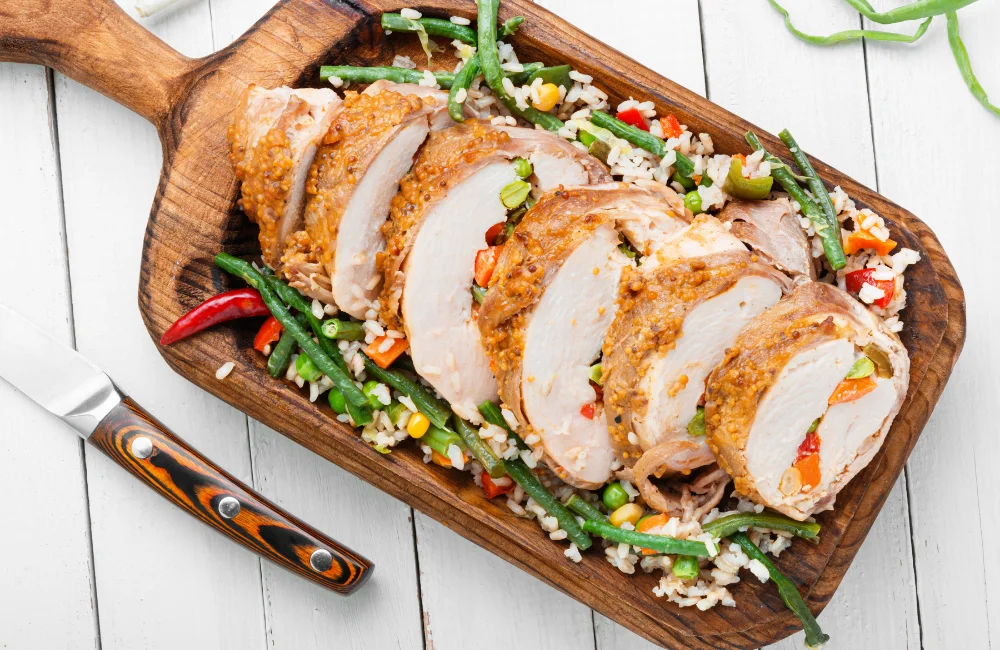
Protein is the main nutrient for building and repairing tissues. Getting enough high-quality protein is therefore very important during recovery. It is recommended to eat lean meats such as fish, chicken breast, eggs, milk, or plant-based proteins such as tofu and various beans. These nutrients help skin cells and tissues around the eyelids recover and heal faster, allowing the eyelid crease to settle beautifully as expected.
Healthy Fats and Carbohydrates
Healthy fats and complex carbohydrates are important energy sources that the body needs for self-repair. You should choose healthy fats from avocado, olive oil, nuts, and carbohydrates from brown rice, whole grains, or pumpkin. These foods help provide the body with enough energy for recovery, reduce inflammation, and prevent blood sugar from rising too high, which may otherwise interfere with wound healing.
Essential Vitamins and Minerals
Vitamin C, in particular, helps support collagen production, allowing wounds to heal well. It is commonly found in berries, kiwi, and leafy green vegetables. Zinc also helps with the wound-healing process and can be found in grains and meat. Getting these nutrients in sufficient amounts will help strengthen the skin around the eyelids and support full recovery.
Herbs and Spices
Certain herbs and spices have natural anti-inflammatory properties, which are very beneficial during recovery. Try adding ginger, turmeric, or garlic to your meals, as they can be used in a variety of dishes. These herbs not only enhance flavor but also contain antioxidants that help support the body’s recovery and effectively reduce redness and swelling around the surgical wound.
What Should You Avoid Eating After Double Eyelid Stitch Removal?
In addition to choosing foods that support recovery, avoiding certain types of food is just as important because some foods may trigger inflammation, prolong swelling, or increase the risk of infection. Paying attention to this will help the results after eye surgery look more beautiful and settle faster.
Fermented Foods and Seafood
Various fermented or pickled foods, as well as certain types of seafood, may contain high levels of histamine and may be contaminated with bacteria that can trigger allergic reactions, itching, or inflammation around the wound. For safety and to reduce the risk of excessive swelling or inflammation, it is recommended to avoid this food group during the first month after eye surgery.
Undercooked Foods
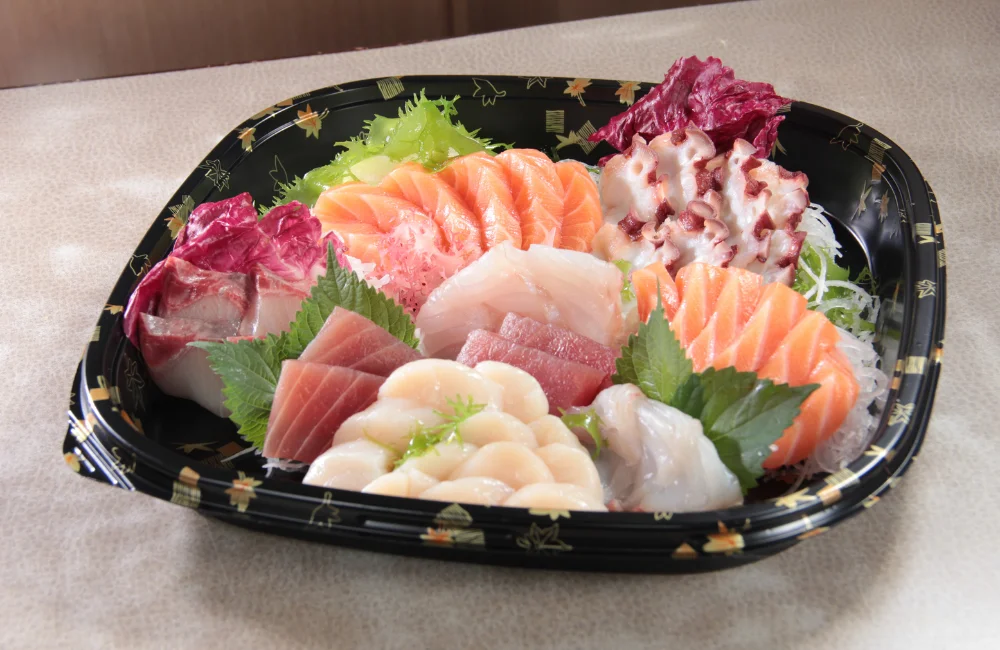
Raw or undercooked foods, such as sushi, sashimi, papaya salad with fermented fish and crab, or undercooked steak, carry a high risk of contamination with germs and parasites, which may cause food poisoning and affect the body’s overall recovery process. This can slow wound healing and increase the risk of infection. Therefore, you should eat only foods that are thoroughly cooked.
Processed and High-Fat Foods
Processed foods and foods high in trans fats, such as sausages, ham, fast food, or fried foods, often have low nutritional value and may promote inflammation in the body. In addition, they may be difficult to digest and place a burden on the body’s systems, slowing down the process of cell repair and recovery. It is best to choose fresh, home-cooked foods.
Alcoholic Beverages and High-Sugar Foods
All types of alcoholic beverages affect blood circulation and may cause the wound to become more swollen and heal more slowly. High-sugar foods and drinks, such as soft drinks, desserts, or bakery items, can interfere with collagen production and promote inflammation, causing the skin to repair itself less effectively than it should. Therefore, they should be avoided for at least 2-4 weeks after surgery.
Foods That May Trigger Inflammation
For some people, certain foods may trigger inflammation more easily than usual, such as dairy products or foods high in gluten. Although not everyone is allergic to them, if you feel that your body does not respond well to these foods, trying to avoid or reduce them during the recovery period may be another option that helps the body recover more smoothly and reduces the chance of unnecessary inflammation.
How to Take Care of Yourself After Double Eyelid Surgery
In addition to paying attention to your diet, other aspects of self-care are also key to helping the results of double eyelid surgery look beautiful and as complete as possible. Strictly following the ophthalmologist’s instructions will help reduce complications and allow your new eyes to settle faster.
Wound Cleaning and Care
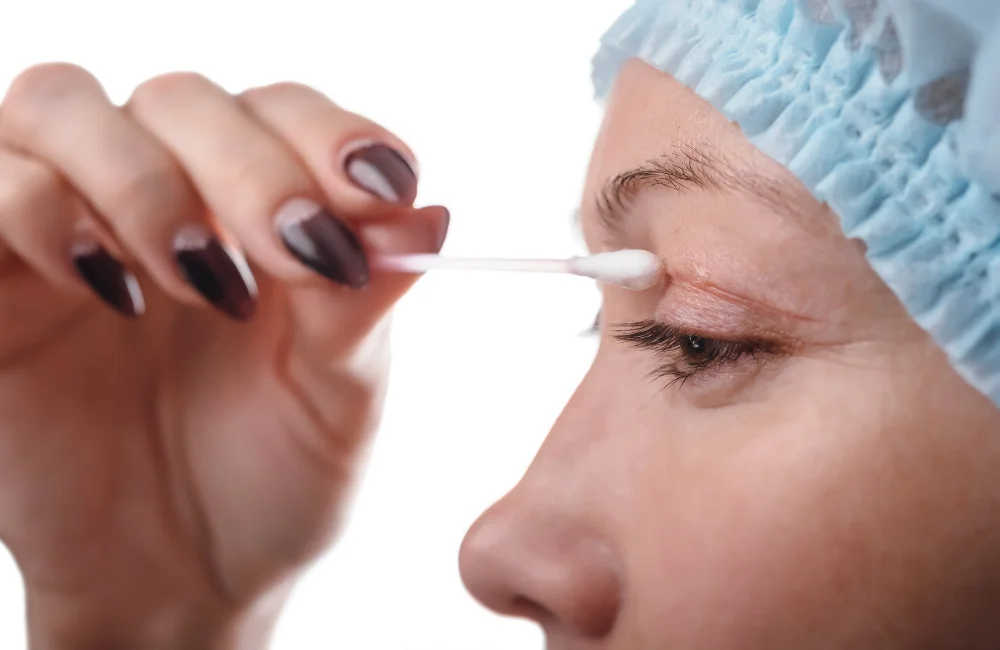
Keeping the wound clean is the most important step. You should clean the wound regularly according to the instructions from the eye surgery clinic, using clean cotton soaked with saline solution to gently wipe the area, then applying the prescribed antiseptic ointment. Avoid letting water directly touch the wound, and avoid applying makeup around the eyes until the wound has fully healed to prevent possible infection.
Cold and Warm Compresses
During the first 3 days after surgery, applying a cold compress with a gel pack or cloth-wrapped ice can help reduce swelling and bleeding effectively. After that, from day 4 onward, switch to a warm compress to help improve blood circulation, reduce bruising, and help the swelling subside faster. This should be done regularly according to the doctor’s instructions.
Adjusting Sleeping Position and Habits
During the first week, you should sleep with your head elevated higher than usual to help reduce swelling around the face and eyelids. Avoid sleeping face down or on your side to prevent pressure on the wound. In addition, avoid activities that require heavy eye use, such as staring at a computer or phone screen for long periods, and avoid strenuous exercise that may affect the wound.
Summary
Taking care of yourself after double eyelid stitch removal is not complicated. Simply pay attention to choosing nutritious foods such as protein, vitamins, and healthy fats, while avoiding foods that may trigger inflammation. Together with proper wound hygiene and strictly following the doctor’s instructions, this will help the wound heal quickly and achieve beautiful eyelid creases as desired. Those who are interested can consult the specialized ophthalmologists at Sky Clinic, who have expertise in Double Eyelid Surgery, Epicanthoplasty (inner corner eye opening), Ptosis Correction, Subbrow Lift, and Under-Eye Fat Removal Surgery, to receive treatment that is suitable for each individual’s concerns.
Source : -