


What Causes a Broken Blood Vessel in the Eye, Is It Dangerous, and How Is It Treated?




Redness in the eye after waking up or after forceful coughing or sneezing may be a sign of a broken blood vessel in the eye, which can cause considerable concern. Just as people may worry about the appearance of the area around their eyes, they may wonder what causes this condition, whether it is truly dangerous, and how to care for themselves. Let’s take a look.
Symptoms of a Broken Blood Vessel in the Eye
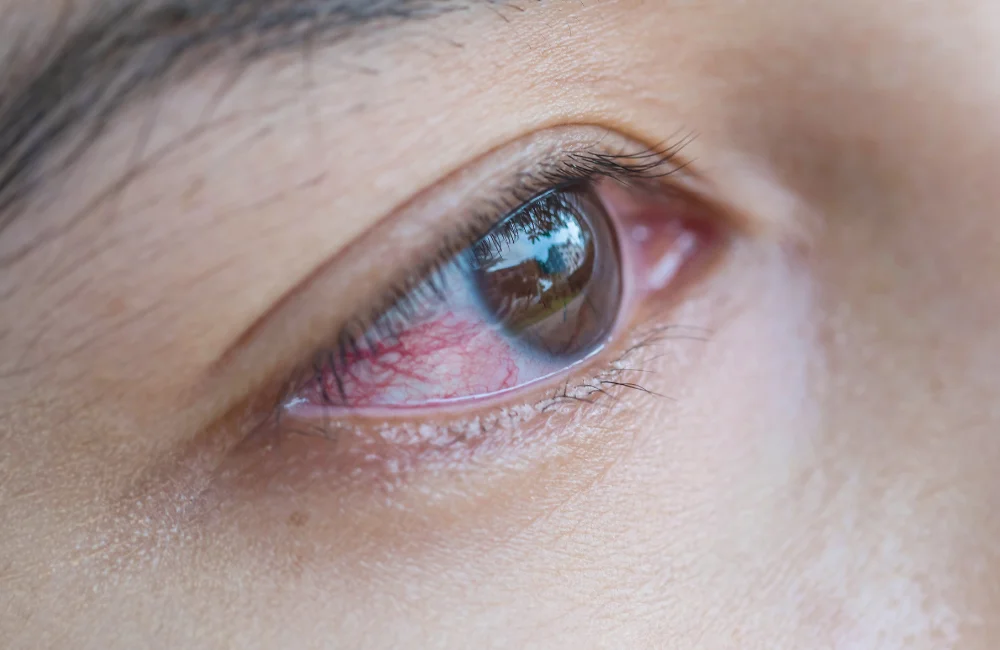
Generally, blood appears on the white part of the eye. The size of the red patch may vary from person to person. This condition usually does not affect vision or cause pain or irritation, although some people may experience mild eye discomfort. Most people notice the condition themselves when looking in the mirror or when someone else points it out.
What Causes a Broken Blood Vessel in the Eye?
The causes of a broken blood vessel in the eye may be more common than you think. The condition occurs when tiny blood vessels beneath the conjunctiva covering the white part of the eye rupture, causing blood to accumulate in the affected area. Common triggers include:
A sudden increase in pressure inside the body: This may result from coughing, sneezing, straining during bowel movements, or even lifting heavy objects.
Eye trauma: This may occur due to a direct injury or habits such as frequent eye rubbing or rubbing the eyes too forcefully.
High blood pressure: This can make blood vessel walls more fragile and more likely to rupture.
Side effects of certain medications: Blood-thinning medications, such as warfarin, may increase the risk of bleeding.
Certain underlying conditions: Such as diabetes or conditions that cause blood to clot more slowly than normal.
Is a Broken Blood Vessel in the Eye Dangerous?
In most cases, this condition is harmless and does not cause permanent damage to the eyes or vision. However, it is important to monitor symptoms closely. If the redness does not fade within 2–3 weeks, you experience severe eye pain or changes in vision, or the condition occurs repeatedly, you should see an ophthalmologist promptly, as these may be signs of an underlying health problem.
What Is the Difference Between a Broken Blood Vessel in the Eye and Conjunctivitis?
People with red eyes often confuse a broken blood vessel in the eye with conjunctivitis, as both conditions can make the white part of the eye appear red. However, they differ in their causes, associated symptoms, and treatment approaches, as follows:
Appearance: A broken blood vessel in the eye appears as a bright red patch with clearly defined edges on the white part of the eye, while the surrounding area remains white. Conjunctivitis typically causes small red or pink blood vessels to become more visible across the white part of the eye, making the entire eye look diffusely red.
Associated symptoms: A broken blood vessel in the eye usually does not cause pain, itching, or discharge, although mild irritation may occur. Conjunctivitis is often accompanied by itchy or burning eyes and a significant amount of yellow or green discharge. Some people may also experience watery eyes in one or both eyes.
Contagiousness: A broken blood vessel in the eye results from a ruptured blood vessel and is not contagious. In contrast, conjunctivitis, particularly when caused by a virus or bacteria, is contagious and can spread quickly through contact with infected secretions.
Initial Self-Care for a Broken Blood Vessel in the Eye

What should you do if you have a broken blood vessel in the eye? While waiting for the body to heal and naturally absorb the pooled blood, you can take a few simple steps to care for your eyes and relieve discomfort. Proper care can help your eyes return to their normal appearance as they heal.
Apply compresses correctly: During the first 24–48 hours after symptoms begin, a cold compress is recommended. Wrap ice in a clean cloth or use a cloth soaked in cold water, then gently apply it around the eye for 5–10 minutes at a time. This may help relieve discomfort. After 48 hours, switch to a warm compress to promote blood circulation and help the body absorb the pooled blood.
Monitor changes in the blood patch’s color: Do not be alarmed if the blood patch changes color, as this is part of the natural healing process. Initially, the patch will be bright red. As the blood gradually breaks down, it may turn brown, then yellow, before fading away and allowing the white part of the eye to return to its normal appearance.
Rest your eyes: Avoid activities that require you to focus on a computer or smartphone screen for long periods, allowing your eyes to rest and reducing eye strain.
Avoid rubbing your eyes: Touching or rubbing your eyes forcefully may cause further bleeding and increase the risk of a secondary bacterial infection, so avoid doing so.
How Is a Broken Blood Vessel in the Eye Treated?
If you are wondering how to treat a broken blood vessel in the eye, the condition generally heals on its own within 1–3 weeks through the body’s natural healing process, without requiring specific treatment. The pooled blood is gradually absorbed and fades away on its own. In the meantime, artificial tears can help keep the eyes moist and relieve irritation. However, if the condition is caused by an underlying medical condition or an injury, you should see a doctor to address the underlying cause, such as controlling blood pressure or treating a bleeding disorder.
When Should You See a Doctor?
Although a broken blood vessel in the eye is usually harmless, certain warning signs indicate that you should see an ophthalmologist promptly for a thorough examination. These include redness that does not improve or a red patch that expands after 2–3 days, severe eye pain, reduced vision or double vision, bleeding from other parts of the body, or unusually frequent recurrences. Seeking medical attention can help identify or rule out any serious underlying conditions.
How to Reduce the Risk of a Broken Blood Vessel in the Eye
You can reduce the risk of a broken blood vessel in the eye by taking care of your eye health and overall well-being. Start by keeping your blood pressure within the normal range, avoiding excessive force when coughing, sneezing, or straining, and avoiding lifting very heavy objects. If you need to participate in activities that pose a risk of eye injury, always wear appropriate protective equipment. In addition, taking regular breaks when working at a computer and avoiding forceful eye rubbing are important ways to protect the delicate blood vessels around your eyes.
Summary

A broken blood vessel in the eye is usually harmless and heals on its own within a few weeks without treatment. Resting your eyes and avoiding triggering factors may help. However, if you experience unusual symptoms such as eye pain, blurred vision, or frequent recurrences, you should consult a doctor promptly. For those who would like to learn more, you can explore our articles about eye diseases for guidance on maintaining eye health. If you are concerned about other eye-related issues, you can consult the specialist ophthalmologists at Sky Clinic. Our services include Natural-Looking Correction of Triple Eyelid Creases, Double Eyelid Surgery, Drooping Eyelid Surgery, Medial Epicanthoplasty, Ptosis Correction, Subbrow Lift, Under-Eye Bag Removal Surgery, and Endoscopic Brow Lift Surgery to find a treatment suited to your concerns.
Frequently Asked Questions About a Broken Blood Vessel in the Eye
How Many Days Does a Broken Blood Vessel in the Eye Take to Heal and Do I Need Eye Drops?
A broken blood vessel in the eye usually fades and heals naturally within 1–3 weeks, depending on the size of the blood patch. In general, specific medicated eye drops are not necessary. However, artificial tears can help keep the eyes moist and relieve irritation while the blood is being reabsorbed.
Should I Apply a Warm or Cold Compress to a Broken Blood Vessel in the Eye?
During the first 24–48 hours after symptoms begin, a cold compress is recommended to help constrict blood vessels and reduce further bleeding. After the first 48 hours, you can switch to a warm compress to promote blood circulation and help the body absorb the pooled blood more quickly.
What Conditions Can Frequent Recurrences of a Broken Blood Vessel in the Eye Indicate?
Frequent recurrences of a broken blood vessel in the eye may be associated with high blood pressure, bleeding disorders, or certain medications. If this happens repeatedly, consult a doctor for evaluation.
What Conditions Can Frequent Recurrences of a Broken Blood Vessel in the Eye Indicate?
If redness caused by a broken blood vessel occurs repeatedly, it may be a warning sign of an underlying health problem, such as poorly controlled high blood pressure, diabetes affecting the blood vessels, or a blood-clotting disorder. It may also be related to side effects from blood-thinning medication. You should see a doctor promptly to identify the underlying cause.
Can a Broken Blood Vessel in the Eye Cause Blindness or Permanent Blurred Vision?
This condition involves bleeding in the superficial conjunctiva covering the white part of the eye. It does not directly affect internal eye structures such as the cornea, retina, or optic nerve. Therefore, it does not usually cause vision loss or permanent blindness. However, any blurred vision or other vision changes should be assessed by an eye care professional.
Medical References:
Source : -