


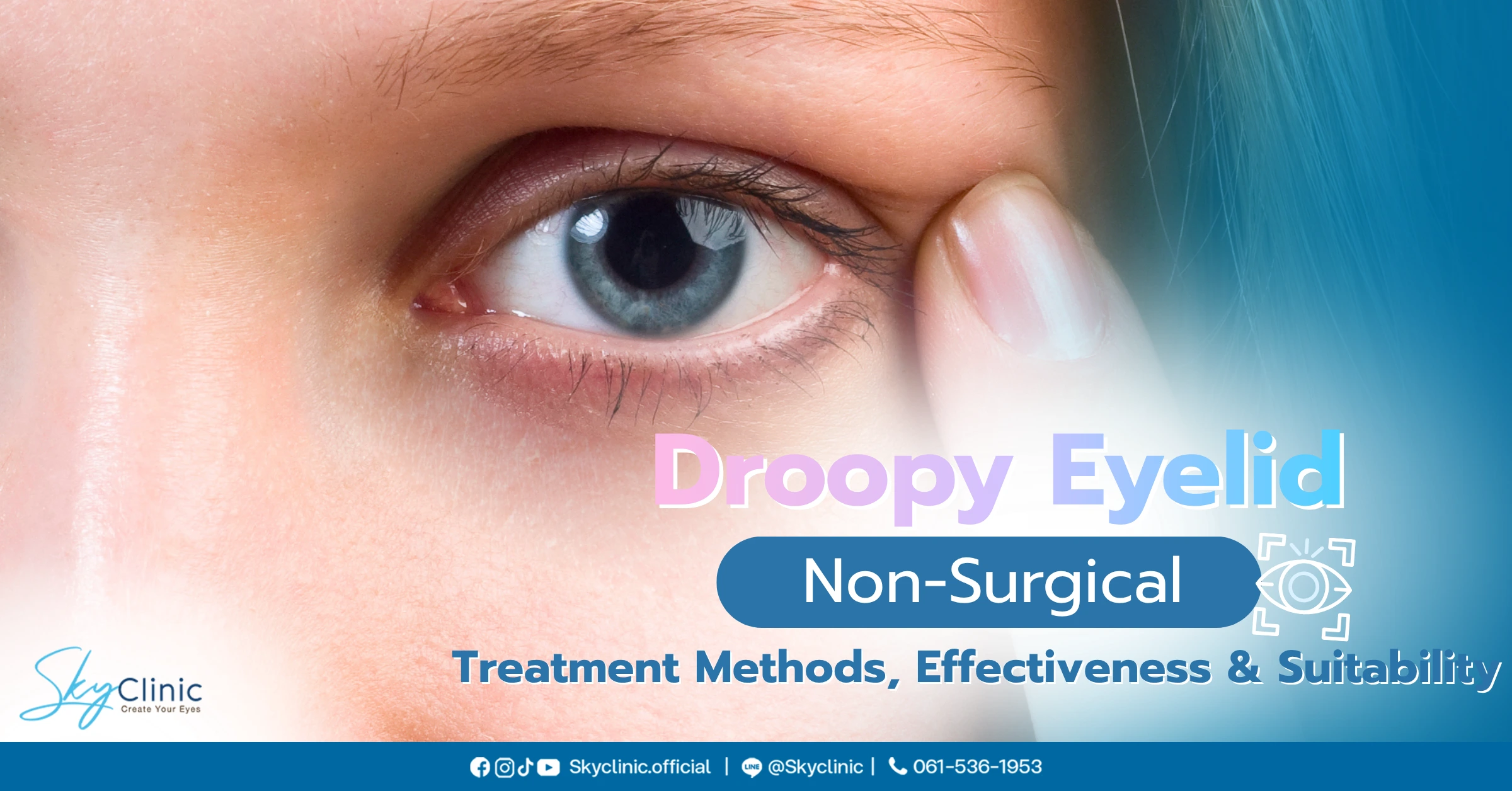
Can Drooping Eyelids Be Treated Without Surgery, and How Effective Are the Options?




Drooping or sagging upper eyelids can affect facial appearance and, in some cases, may interfere with vision. When this concern occurs, many people look for non-surgical options to improve the appearance of drooping eyelids and wonder whether these treatments can really make the eyes look more open and refreshed. This article explores the available options, who they may be suitable for, and what to consider before choosing a treatment for the area around the eyes.
What Are the Non-Surgical Options for Treating Drooping Eyelids?
For people with mild or early-stage eyelid sagging, non-surgical approaches may help improve the appearance of the skin around the eyes and support overall eye-area care. However, these methods cannot correct excess eyelid skin or underlying structural problems in the same way as surgery. The appropriate approach depends on the cause and severity of the eyelid concern. Common non-surgical options include the following:
Eye Muscle Exercises to Help Reduce Symptoms
Eye muscle exercises are a simple method that may help keep the muscles around the eyes active. Gently pulling the outer corners of the eyes upward while trying to close the eyes for a few seconds, then opening them, may help the eyelid muscles work against light resistance. Performing these exercises regularly may help maintain muscle activity and support overall eye-area care.
Eye Massage and Warm Compresses to Relax the Muscles
Applying gentle warmth around the eyes may help improve blood circulation and relax muscles that have been working throughout the day. Gently massaging from the inner to the outer corners of the eyes may help reduce swelling and support the function of the oil glands in the eyelids. This approach may help relieve eye fatigue, which can make the eyes look tired or make it more difficult to fully open them. When the muscles around the eyes receive adequate rest, eyelid movement may feel more comfortable.
Proper Care and Hydration for the Skin Around the Eyes
The skin around the eyes is delicate and prone to wrinkles. Allowing the skin to become dehydrated is one factor that can contribute to wrinkled eyelid skin and make the skin appear less firm. Choosing an eye care product that provides hydration and contains ingredients that support collagen production may help improve skin elasticity. Applying the cream gently and correctly may also help maintain the firmness of the eyelid skin.
Eating Foods That Support Eye Health

Supporting the body through proper nutrition may help maintain healthy cellular function. Eating foods rich in vitamins A, C, and E, as well as antioxidants, such as leafy green vegetables, berries, and marine fish, can support overall eye health and healthy skin. These nutrients play a role in tissue repair and collagen production, which may help maintain healthy skin and eyelid firmness.
Adjusting Visual Habits to Help Reduce Eyelid Sagging
Prolonged use of computers or mobile phones without taking breaks can cause eye fatigue and require prolonged focusing. Frequently rubbing the eyes forcefully can also damage the skin structure and collagen fibers around the eyelids. Adjusting these habits by taking a break from screens every 20 minutes and avoiding forceful rubbing of the eyes can reduce stress on the skin and muscles, which may help prevent the eyelids from drooping prematurely.
Do Non-Surgical Treatments for Drooping Eyelids Really Work?
The approaches mentioned above may help with mild eyelid sagging or prevent the problem from progressing rapidly. However, these methods cannot tighten stretched skin tissue and restore it to its original state. If there is a significant amount of excess tissue or accumulated fat causing the eyelids to droop and obstruct vision, natural methods alone may not provide the desired results. In such cases, considering a procedure may be a more direct approach to addressing the problem.
What Are the Options If Non-Surgical Treatment Is Not Effective?
When lifestyle adjustments and skin care are not sufficient to address structural eyelid sagging, consulting an ophthalmologist for an assessment and treatment plan may be an option for achieving more noticeable results. Today, various techniques are available to address different eyelid concerns based on each individual’s eye structure and needs.
Double Eyelid Surgery Combined with Drooping Eyelid Correction
For those with drooping eyelids that cover the existing eyelid crease or obstruct the pupil, an ophthalmologist may consider removing excess eyelid skin together with creating a new eyelid crease. This technique helps remove excess skin tissue and fat that makes the eyelids appear thick, helping define the eyelid crease and allowing the eyes to open more fully. This type of procedure requires a detailed assessment of the eye structure and facial proportions to ensure that the new eyelid crease is balanced and suitable for each individual.
Brow or Outer Eye Lift for Patients with Drooping Eyebrows
In some cases, eyelid concerns may not be caused solely by excess skin around the eyes but may also be related to sagging of the upper facial structures, which can cause the eyebrows to droop over the eyes. The Endobrow Lift technique can help lift and reposition the tissues around the forehead and eyebrows. Medical devices such as Endotine may also be used to help secure the lifted tissue in place. This can increase the distance between the eyebrows and the eyes, helping address the underlying concern and creating a more refreshed appearance.
Why Should You Treat Drooping Eyelids at Sky Clinic?
Choosing to care for your eyes at a standardized Eyelid Surgery Clinic is important. Sky Clinic is a medical clinic operated by ophthalmologists with an in-depth understanding of the anatomy around the eyes. The clinic carefully assesses facial structures to identify the underlying cause, whether the concern is related to the eyelid skin or eyebrow structure. The clinic offers a range of techniques, including Endobrow Lift to address the needs of those with drooping eyebrows. A straightforward consultation helps you choose a treatment approach that is appropriate for you.
Frequently Asked Questions About Drooping Eyelid Correction
People experiencing drooping eyelid concerns often have many questions and concerns about treatment and care. We have therefore compiled frequently asked questions along with general answers to provide helpful information and a better understanding of the condition, helping you prepare properly before deciding to have your eye structure assessed by an ophthalmologist.
What Types of Drooping Eyelids Require Medical Evaluation?
If drooping eyelids obstruct your vision, causing you to constantly raise your eyebrows or tilt your head upward, or if sudden eyelid drooping occurs along with facial muscle weakness, you should see an ophthalmologist for a thorough examination and diagnosis, as these symptoms may be associated with a neurological condition that requires urgent medical attention.
Can Drooping Eyelid Correction Be Combined with Double Eyelid Surgery?
It can be performed together. An ophthalmologist will assess the amount of excess skin that needs to be removed while creating a new eyelid crease that suits the facial structure. Performing both procedures together can make the eyes appear more open and create a more defined eyelid crease in a single procedure, while allowing both concerns to be addressed at the same time.
Are Drooping Eyelids and Ptosis the Same Condition?
They are different conditions. Drooping eyelids may be caused by excess or weakened eyelid skin, causing it to sag over the eyes. Ptosis, on the other hand, is caused by abnormal function of the muscles responsible for lifting the eyelid, making it difficult to fully open the eyes. An ophthalmologist should distinguish between the underlying causes to determine the appropriate treatment.
Summary

Drooping eyelid concerns can initially be managed with eye muscle exercises and lifestyle adjustments. However, if the eyelid skin has become significantly stretched, medical treatment may provide more noticeable results. You can consult an ophthalmologist at Sky Clinic, which offers Double Eyelid Surgery, Medial Epicanthoplasty, Ptosis Correction, Subbrow Lift, Under-Eye Bag Removal Surgery, and Endoscopic Brow Lift Surgery with the Endobrow Lift technique, to determine the treatment best suited to your concerns.
Source : -