


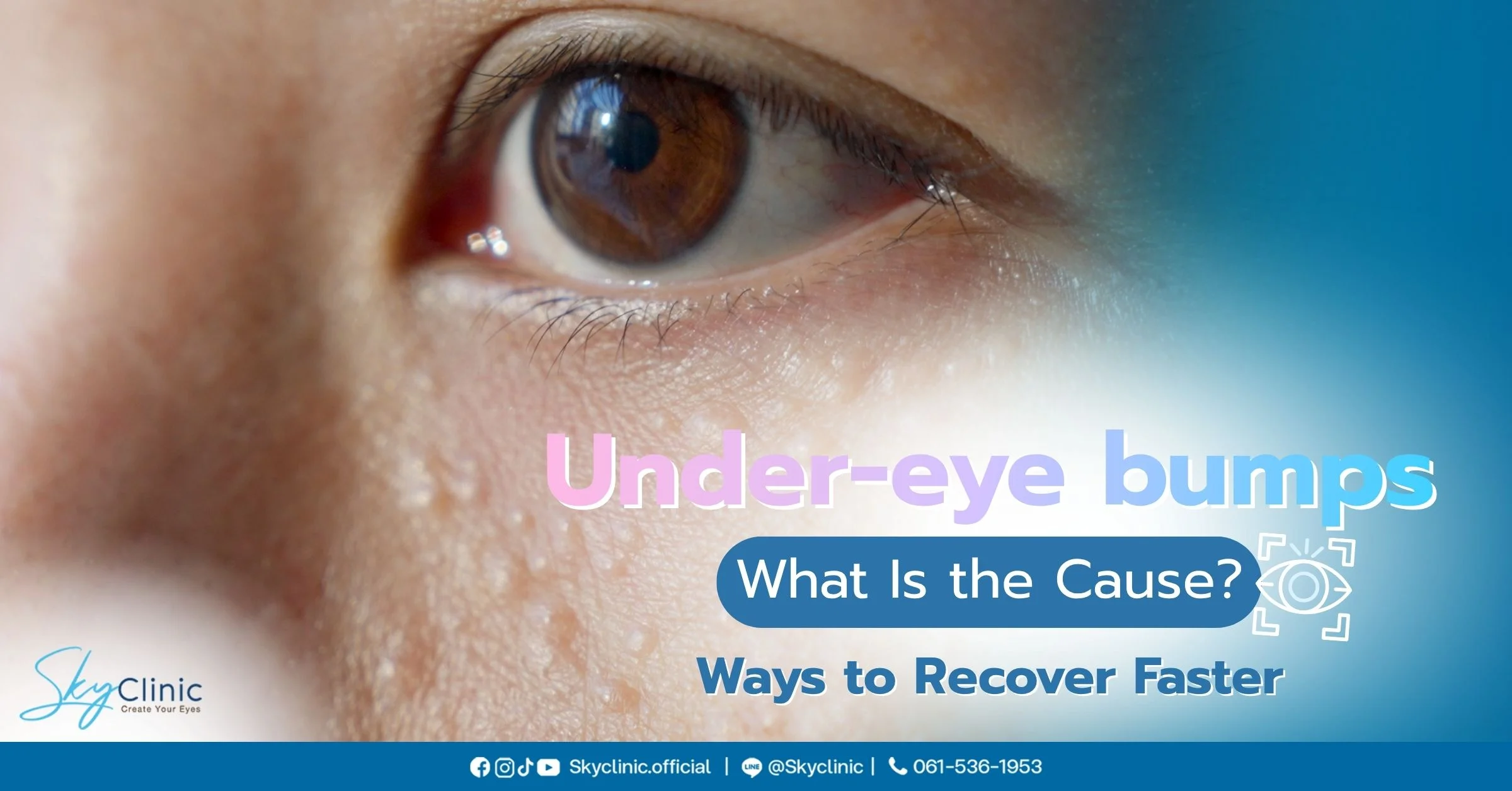
What Causes Under-Eye Bumps and How Can They Be Treated Safely?




Skin concerns around the eyes are common, especially when raised bumps appear beneath the eyes. These may present as small, firm bumps or soft, raised lumps that make the skin look uneven. Because the skin around the eyes is delicate, understanding the underlying cause is an important first step in choosing an appropriate treatment.
Common Types of Under-Eye Bumps
Correctly identifying the type of under-eye bump is an important first step in treatment because each type has a different underlying cause, such as blocked pores or trapped keratin beneath the skin. Below are the key characteristics of common types of bumps to help you recognize them more easily.
Fatty deposits (Xanthelasma): These appear as pale yellow, raised patches, often near the inner corners of the eyes or on the eyelids. They may be associated with elevated blood cholesterol levels, although they can also occur in people with normal cholesterol levels. Treatment may involve laser therapy or surgical removal, depending on the individual case.
Blisters: These are fluid-filled bumps that may develop due to allergic reactions or irritation from cosmetics and other substances. Keeping the area clean and avoiding suspected triggers may help prevent further irritation. If the cause is unclear or the symptoms persist, seek medical advice.
Milia: These appear as tiny white or pale yellow bumps that resemble pimples but have no visible opening. They develop when keratin becomes trapped beneath the skin and can occur in both newborns and adults. Treatment may involve professional extraction or other treatments recommended by a qualified healthcare professional. Avoid trying to squeeze or remove them yourself, especially around the eyes.
Causes of Under-Eye Bumps
Now that we have covered the different types, let’s look at the factors that may contribute to their development. Understanding the underlying causes can help you identify potential triggers and reduce the risk of future bumps. These may be related to individual skin characteristics as well as everyday skincare habits.
Skincare Products: Using face creams or eye creams that are too heavy or contain comedogenic ingredients may contribute to clogged pores or bumps around the eyes.
Genetics: Individual skin characteristics and family history may influence the likelihood of developing certain types of bumps, such as milia or xanthelasma. However, these conditions do not always run in families.
Hormonal Changes: Hormonal changes during adolescence or pregnancy can affect the skin and oil production. However, milia can develop for various reasons, and hormonal changes are not considered a direct cause in every case.
Overview of Under-Eye Bump Treatment Options

Various treatment methods are available for under-eye bumps. Doctors can recommend the most appropriate approach based on the type of bump and each individual's skin condition.
Treatment with Medication and Creams
For small bumps or those that have only recently appeared, medication or topical products may be considered as an initial treatment option, depending on the type of bump. A doctor may recommend products that gently exfoliate the skin to help remove dead skin cells or address clogged pores when appropriate. This approach requires consistent use and time, so noticeable improvements may take a while. However, it is non-invasive and generally does not leave wounds after treatment.
Laser Treatment
Laser treatment, such as CO2 laser, is one option doctors may consider because of its high precision. It can remove excess tissue or raised bumps while minimizing damage to the surrounding healthy skin, helping reduce the risk of larger scars. The resulting wound is usually small, and the scab typically falls off on its own within one week. This method is suitable for milia, syringomas, and small fatty deposits.
Electrocautery
This method uses electrical current to generate heat and destroy the tissue forming the raised bump. It is often used to remove skin tags and certain other benign skin lesions. Electrocautery can remove the targeted tissue during the procedure, but it requires a skilled doctor to control the treatment depth and minimize the risk of scarring or post-treatment dark spots.
Topical Treatments
In addition to prescription medications, cosmeceutical products containing retinoids or AHA/BHA at concentrations suitable for the skin around the eyes may help accelerate the removal of dead skin cells and reduce the likelihood of developing new milia. However, these topical products must be used with great caution because the skin around the eyes is delicate and can become easily irritated if they are used incorrectly.
Surgery
For large fatty deposits or xanthelasma that extend deep into the skin or cover a wide area, laser treatment may not be suitable in some cases. An ophthalmologist may consider surgical removal of the deposits and excess skin, followed by careful suturing. This approach may also help address eyelid laxity in selected cases, although the risk of recurrence can vary depending on the individual and the treatment method used.
Comparison of Treatment Methods
Choosing the right treatment for under-eye bumps depends on their type, size, and each individual's skin condition. Various treatment options are available to address different types of bumps. The comparison below summarizes the advantages and limitations of each method to help guide decision-making alongside a doctor's assessment.
Self-Care and Prevention
Although medical treatments can be effective, home care is also important for maintaining skin health and helping reduce the risk of certain under-eye bumps. Making small lifestyle changes can help protect the skin and maintain a healthier appearance over the long term.
Protect Your Skin from Sunlight: UV radiation can cause skin damage. Apply sunscreen regularly to help protect the skin around the eyes from sun exposure. Choose a product suitable for the eye area and follow its usage instructions.
Avoid Risk Factors: Try to avoid products containing alcohol, fragrances, or harsh ingredients that may cause irritation. You should also avoid excessive scrubbing or exfoliation around the eyes, as this can damage the skin and cause inflammation.
Maintain Cleanliness and Moisturize: Thoroughly cleansing your face with gentle products helps reduce clogged pores. Choosing a lightweight eye cream that absorbs easily without leaving excess oil can also help reduce the accumulation of under-eye fat and impurities in the pores.
Maintain Overall Health: Getting enough rest supports overall health and the body's natural repair processes. Combine this with a balanced diet that includes fruits and vegetables rich in vitamins C and E, which help protect cells from oxidative stress and support skin health.
Frequently Asked Questions About Under-Eye Bumps
Many people have questions about under-eye bumps and how to treat them. Below are answers to frequently asked questions to help clarify common concerns and explain how to care for the delicate skin around the eyes.
Can Under-Eye Bumps Go Away on Their Own?
In infants, milia often disappear on their own as they grow. In adults, whether under-eye bumps resolve without treatment depends on their type and underlying cause. Some bumps may persist or gradually increase in size over time. If the bumps do not go away, change in appearance, or cause concern, consulting a doctor can help determine the cause and appropriate treatment.
Is Laser Treatment for Under-Eye Bumps Painful? How Many Sessions Are Needed?
Before laser treatment, the doctor may apply a topical anesthetic to the treatment area for approximately 30–45 minutes. During the procedure, patients generally feel only mild warmth or a slight pinprick sensation, rather than significant pain. Mild stinging may occur afterward, but it usually subsides on its own within a short time.
Does Diet Really Affect the Development of Under-Eye Fatty Deposits?
Diet may be related to certain fatty deposits, particularly xanthelasma, which is often associated with elevated blood lipid levels. Consuming foods high in trans fats, refined carbohydrates, and sugar may negatively affect blood lipid levels, potentially contributing to the development of xanthelasma in some individuals. Dietary management is therefore one part of overall care, although xanthelasma can also occur in people with normal blood lipid levels.
Can You Squeeze or Pick at Under-Eye Bumps Yourself?
You should not squeeze or pick at under-eye bumps yourself. The skin around the eyes is delicate, and using your hands or unclean tools may lead to inflammation, infection, scarring, or dark spots that can be difficult to treat. It is safer to have a qualified doctor assess and treat the bumps using appropriate techniques and sterile equipment.
How Likely Are Under-Eye Bumps to Return After Treatment?
Even after under-eye bumps have been successfully treated, they may recur depending on their type and underlying cause. Contributing factors may include using overly heavy skincare products or having elevated cholesterol levels, particularly in cases of xanthelasma. Keeping the skin clean and applying sunscreen regularly can help maintain skin health, although these measures may not prevent all types of under-eye bumps from returning.
Summary

Under-eye bumps can vary in type and cause, including genetics, hormonal changes, and lifestyle habits. Although they are generally not serious, they can affect self-confidence. Correctly identifying the type of bump and choosing an appropriate treatment, whether topical medication, laser therapy, or surgery under a doctor's supervision, can help improve the appearance of the skin around the eyes. For those with other eye-shape concerns, you can consult an ophthalmologist at Sky Clinic, which specializes in Double Eyelid Surgery, Medial Epicanthoplasty, Ptosis Correction, Subbrow Lift, Under-Eye Bag Removal Surgery, and Endoscopic Brow Lift Surgery. The ophthalmologist can assess your concerns and recommend an approach tailored to your needs.
Medical References:
Source : -