


Hooded Eyes: Causes, Symptoms, and Effective Treatments




If you have ever felt like your eyes look smaller or perpetually tired, you might be dealing with hooded eyes. This common feature, characterized by a fold of skin that hangs down over the upper eyelid crease, can affect your appearance and, in severe cases, your vision. However, both surgical and non-surgical options are available to treat hooded eyes, offering ways to achieve a more open and refreshed look.
What Are Hooded Eyes?
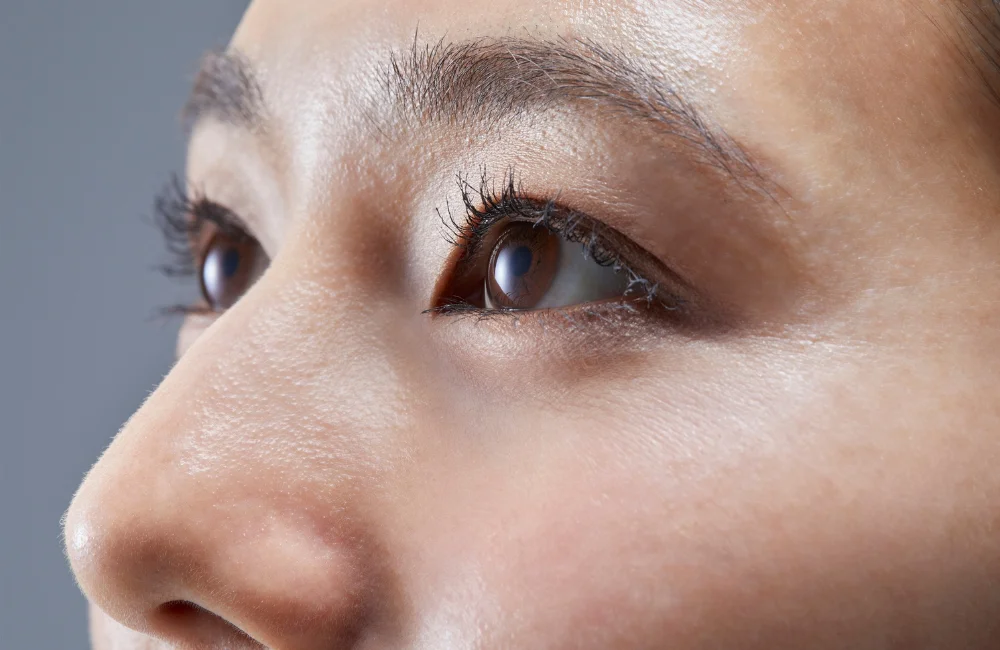
Hooded eyes are an eye shape where excess skin folds down from the brow bone, partially or entirely obscuring the upper eyelid crease when the eyes are open. This creates a visible "hooding" effect, which can make the eyes appear heavier or droopy. While sometimes referred to as droopy eyelids, it is important to note that hooded eyes are a distinct anatomical feature, often inherited, that may become more noticeable over time.
What Causes Hooded Eyelids?
- Genetics: Many individuals simply inherit the trait of hooded eyes from their family, making it an entirely natural and common eye shape.
- Age: As skin loses elasticity and the effects of gravity take hold, the skin on the forehead and around the eyes can begin to sag, making pre-existing hooded eyes more pronounced or causing hooding to develop over time.
- Lifestyle: Habits such as excessive sun exposure and smoking can accelerate the loss of skin elasticity, worsening the appearance of hooded eyes.
Surgical Treatments for Hooded Eyes
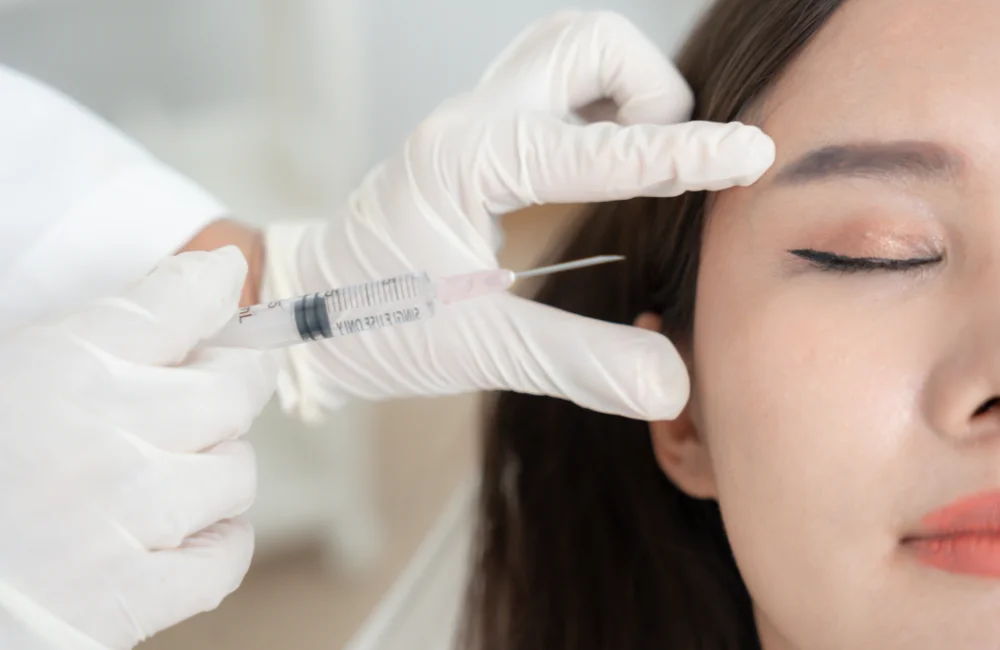
For those with significant hooding or when non-surgical methods aren't sufficient, surgical procedures offer a permanent and highly effective solution. Hooded eye surgery can dramatically improve the appearance of the eye area.
1. Upper Eyelid Blepharoplasty
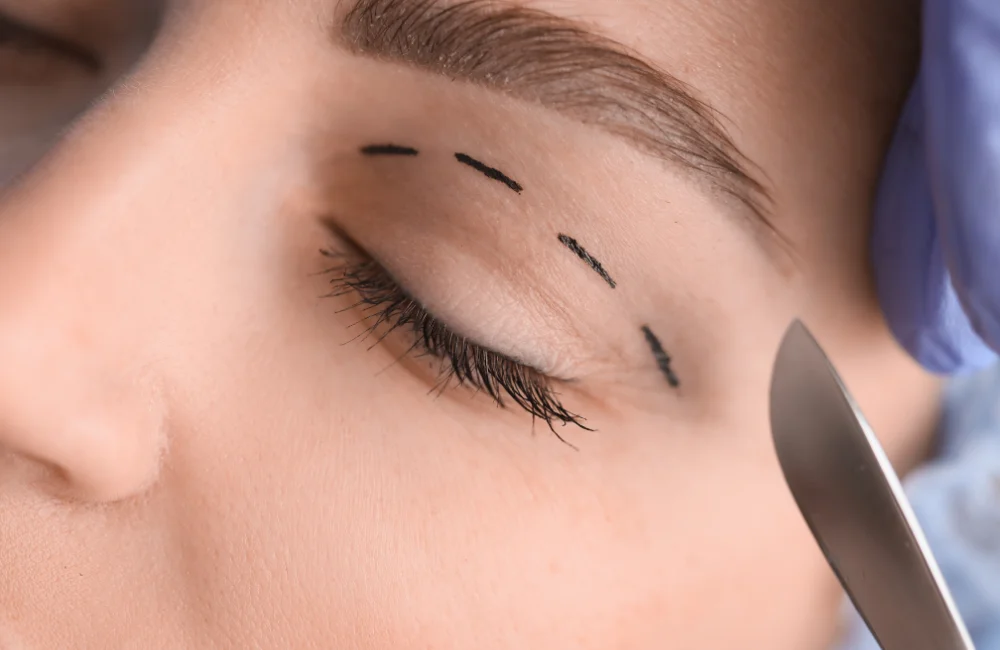
The gold standard for treating pronounced hooded eyes is an Upper Eyelid Blepharoplasty, also known as double eyelid surgery. This procedure involves carefully removing the excess skin and sometimes fat from the upper eyelid that is causing the hooding. The surgeon makes a precise incision along the natural crease of the eyelid, ensuring any resulting scar is minimally visible. By removing this extra tissue, an upper blepharoplasty creates a clearer, more defined eyelid crease, resolving the issue of hooded eyes and allowing the eyes to appear more open and alert. This type of surgical treatment is a popular choice, particularly in locations like having eyelid surgery in Bangkok, for those seeking permanent results.
2. Brow Lift
A brow lift is often considered when the drooping or hooding is primarily due to a lowered or heavy brow line. By surgically elevating the skin and soft tissue of the forehead, the eyebrows are raised to a more youthful position. This action indirectly lifts the skin of the upper eyelids, effectively reducing the appearance of hooded eyes. For many patients, combining a brow lift with an upper eyelid blepharoplasty provides the most comprehensive and rejuvenating result for severe hooded eyes.
Non-Surgical Treatments for Mild Hooding
If your hooded eyes are mild or you prefer non-surgical options, there are several non-invasive options available that can provide noticeable, temporary improvements. These treatments focus on skin tightening and volume restoration.
1. Dermal Fillers and Volume Restoration
Injectable dermal fillers, often composed of hyaluronic acid, can be used strategically to add volume to the brow area. By enhancing the contours and volume of the surrounding structures, fillers can subtly lift the brow and reduce the severity of the hooding, making hooded eyes appear less heavy.
2. Laser, Radiofrequency (RF), and Thread Lifts
Laser and Radiofrequency (RF) treatments deliver controlled heat energy to the skin, stimulating the production of new collagen. This results in tighter, firmer skin around the eye area, providing a subtle lift to mild hooded eyelids. Alternatively, a thread lift uses dissolvable threads placed under the skin to physically lift and reposition the sagging tissue, creating a mild but noticeable improvement for hooded eyes without the downtime of traditional surgery.
When Should You Seek Professional Treatment?
Deciding when to treat your hooded eyes depends on your personal concerns. If the hooding is impacting your self-confidence, making eye makeup difficult to apply, or most importantly obstructing your vision, it is time to consult a specialist. At Sky Clinic, our surgeons can assess the degree of your hooded eyes and recommend effective treatment, ensuring a tailored approach to your unique needs. We also emphasize every step, from consultation and surgery to post-operative follow-up, ensuring that patients receive the utmost care until the results are settled and satisfactory.
FAQs About Hooded Eye Treatments
1. Is hooded eye surgery safe?
Yes, when performed by a qualified and experienced surgeon, procedures like blepharoplasty are considered safe with a long track record of successful outcomes.
2. How long is the recovery time for a Blepharoplasty?
Most patients return to light activities and work within a week, though swelling and bruising may take several weeks to fully resolve.
3. Are hooded eyes considered a medical concern?
Usually, they are not, but if the hooding is severe enough to impair your field of vision, it can be considered a functional medical concern.
Summary
Hooded eyes are a very common feature, often caused by genetics or the natural aging process, resulting in excess skin folding over the upper eyelid. Whether you have minor concerns or significant hooding, effective treatments are available. Surgical procedures like upper eyelid blepharoplasty and a brow lift offer permanent solutions, while non-surgical options like dermal fillers and laser therapy provide temporary improvements for mild hooded eyes.
Source : -