


Double Eyelid Surgery: Techniques, Recovery, and Essential Guide




Double eyelid surgery is one of the most popular cosmetic procedures, especially in Asia, designed to create a distinct crease on the upper eyelid. Whether for aesthetic reasons or to improve vision impaired by drooping skin, understanding the process is essential. This guide will walk you through the techniques, recovery, and what you need to know about getting double eyelid surgery.
What is ouble Eyelid Surgery?

Double eyelid surgery, also known as upper blepharoplasty, is a procedure that creates a fold or crease in the upper eyelid, transforming a single eyelid (monolid) into a double eyelid. This crease helps open up the eye area, making the eyes appear brighter, larger, and more defined. The crease is formed by connecting the muscle responsible for lifting the eyelid (levator muscle) to the overlying skin. This procedure is performed not only for those who desire a more vibrant look but also to address issues like heavy, hooded eyes or the appearance of sleepy eyes caused by excess skin or underlying conditions like Ptosis (droopy eyelids).
Double Eyelid Surgery Techniques
Choosing the right technique for double eyelid surgery is crucial for achieving the desired outcome. The ideal method depends on your unique eyelid anatomy, including the amount of excess skin, fat, and the desired height and permanence of the crease.
The Non-Incisional Suture Technique (Non-Cutting Method)
This method of double eyelid surgery is known for being minimally invasive. It involves creating tiny pinholes, typically 3, along the upper eyelid where the crease is desired. Through these holes, sutures are placed to connect the eyelid muscle to the skin, forming the fold. The main advantages are the absence of a visible scar and a quicker initial recovery time with less swelling. However, this technique is typically reserved for individuals with thin eyelids and minimal excess skin, as the crease may be less permanent, particularly in those with thicker, fattier eyelids.
The Small-Incision Technique
The Small-Incision technique for double eyelid surgery involves making a short incision, usually 0.5-1.5 millimeters long, on the upper eyelid. This technique allows the surgeon to remove a moderate amount of fat and can create a more durable crease than the suture method. It's often suitable for younger patients with only a small amount of excess skin or fat. The recovery is generally faster and less swollen than the full-incision method, and the resulting scar is minimal and easily fades.
The Full-Incision Technique (Standard Incision)
This is the standard method of double eyelid surgery. It involves a continuous incision that runs across the entire length of the intended crease. This approach is highly effective for patients with significant excess skin, muscle, or fat, and for those requiring correction of severe drooping. It provides the most precise control for customizing the crease and allows for the removal of tissue to correct a full range of issues, helping to prevent possible lateral hooding. While this technique has a longer healing time and more initial swelling, it offers the most enduring and defined results.
When to Combine Eyelid Surgery With Other Procedures
Sometimes, achieving the ideal eye shape requires more than just creating a double eyelid. Procedures may be combined to address specific issues. For instance, if you have sunken eyeball appearance, a fat transfer can be done to add volume and restore a fuller look, which is essential before creating the double eyelid surgery crease. Similarly, if the inner corner of your eye has a fold (epicanthal fold) that makes your eyes look too far apart or restricts the length of the new crease, a medial epicanthoplasty can be performed simultaneously to elongate the eye and enhance the result. Procedures like lower blepharoplasty might also be combined to address under-eye bags or excess skin below the eye.
Pre-Surgery Preparation
Proper preparation is essential for a smooth double eyelid surgery procedure and recovery.
- Consultation: Discuss your medical history, desired look, and any current medications with your eye specialist.
- Medication Adjustments: Stop taking blood-thinning medications, aspirin, and non-steroidal anti-inflammatory drugs (NSAIDs) as directed by your doctor.
- Dietary Adjustments: Discontinue taking certain dietary supplements, such as Vitamin C, E, fish oil, and herbal products, at least two weeks before surgery, as they can sometimes increase bruising.
- Health: Ensure you are in good physical health. If you have conditions like diabetes or hypertension, they must be well-managed.
- Lifestyle: Refrain from smoking and consuming alcohol for a recommended period before the operation.
- Logistics: Arrange for someone to drive you home after the procedure.
- Rest: Get a sufficient amount of sleep the night before your double eyelid surgery.
Double Eyelid Surgery Procedures
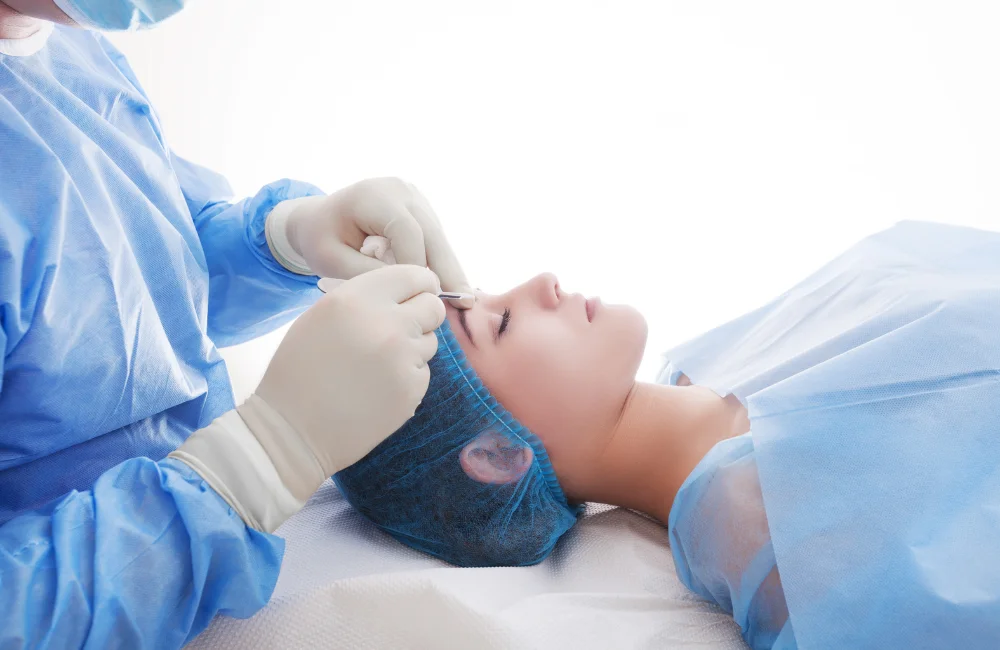
The double eyelid surgery procedure is typically performed as follows:
- Preparation and Marking: The doctor cleans the eye area and precisely marks the planned crease line on your eyelid while you are sitting up.
- Anesthesia: Local anesthetic is injected into the upper eyelid to numb the area, ensuring you are comfortable throughout the procedure.
- Incision/Suture Placement: Depending on the chosen technique (suture, small-incision, or full-incision), the doctor makes the necessary cuts or places the strategic sutures.
- Tissue Adjustment (Incision Techniques): For incision methods, excess skin, fat, or muscle is carefully removed or repositioned. The underlying levator muscle is then connected to the skin to create the new crease.
- Suturing the Skin: The incision is closed using fine stitches, which typically follow the line of the new crease. Antibacterial ointment is then applied.
Double Eyelid Surgery Recovery
Recovery from double eyelid surgery involves several stages and requires careful attention to post-operative instructions.
- Initial 48 Hours: Expect swelling and some bruising. Apply a cool compress (wrapped in a cloth) to the eyelids to help minimize this. Keep your head elevated, even while sleeping.
- Wound Care: Clean the incision site 1-2 times daily with a saline-soaked cotton swab and apply the prescribed antibacterial ointment. Avoid getting the wound wet.
- Stitch Removal: If non-dissolvable sutures were used, they will typically be removed 7-10 days after the double eyelid surgery.
- Bruising and Swelling: Bruising usually starts to fade after the first week. If bruising persists beyond day three, a warm compress (lightly heated) can help speed up the process. Swelling significantly decreases over the first two weeks.
- Lifestyle: Avoid strenuous activity and heavy lifting for a few weeks. Wear sunglasses outdoors to protect your eyes from dust and sun. Avoid certain irritating foods (e.g., fermented/pickled) and alcohol for the initial two weeks.
Double Eyelid Surgery Side Effects
While complications are rare with an experienced surgeon, it's important to be aware of possible temporary side effects of double eyelid surgery:
- Swelling and Bruising: Common in the first one to two weeks, gradually improving over time.
- Dry Eyes or Irritation: Temporary side effects that can be managed with eye drops.
- Numbness: A temporary decrease in sensation around the incision site.
- Asymmetry: A slight difference in the height or shape of the creases, often subtle and improving as swelling subsides.
- Infection: A risk with any surgery, minimized by diligent wound care and antibiotics.
Who is an Eyelid Surgery Candidate?
You might be the right candidate for double eyelid surgery if:
- You have single eyelids and desire a visible crease.
- You have asymmetrical or uneven eyelids that you wish to balance.
- You have excess or drooping eyelid skin that impacts your vision or makes you look tired.
- Your eyelids have too much fat, leading to a puffy appearance.
- You are generally healthy and do not have serious eye conditions.
- You have realistic expectations for the results of double eyelid surgery.
FAQs: Quick Answers Before You Book Your Consultation
1. How long does double eyelid surgery take?
The procedure for double eyelid surgery typically takes about 30 minutes to an hour and a half, depending on the technique and whether it's combined with other procedures.
2. Are the scars noticeable after the surgery?
Initially, there will be a scar, but the final scar of a well-executed double eyelid surgery usually fades significantly and is designed to hide within the new crease or natural fold of the eye.
3. How long does the result last?
The results of double eyelid surgery are often permanent, especially with the full-incision technique. However, the eyelids will continue to age naturally over time.
Why Choose a Sky Clinic for Your Double Eyelid Surgery?
Choosing the right clinic and specialist is the most important decision for your double eyelid surgery journey. At Sky Clinic, we specialize in eye plastic surgery, particularly double eyelid surgery to correct Ptosis, subbrow lift to correct drooping eyelids, and under-eye fat removal. Every case is performed by an experienced ophthalmologist, who focuses on designing an eyelid crease that suits your individual facial features and characteristics to precisely address your concerns.
Sky Clinic also emphasizes every step, from consultation and the surgery itself to post-operative follow-up, ensuring patients receive the utmost care until the results are settled and satisfactory. If you are considering double eyelid surgery in Bangkok, consult with us.
Summary
Double eyelid surgery is a transformative procedure that can redefine the look of your eyes, whether by creating a new crease or correcting issues like drooping skin and the appearance of sleepy eyes. With various techniques available, a careful consultation with an experienced specialist is vital to select the method right for you.
Source : Dr.Sky Burapadecha