


Keratoconus: A Vision Disorder More Serious Than You Think




Keratoconus: Causes, Risk Factors, Symptoms, and Treatment Options for Clearer Vision
Many people are familiar with nearsightedness or astigmatism that gradually worsens with age. However, if your prescription changes rapidly and you find yourself needing new glasses unusually often, it may not be just a common vision problem. It could be a warning sign of Keratoconus, also known as a corneal bulging disorder. If left untreated, this condition may lead to severe visual impairment and permanent vision loss.
What Is Keratoconus?
Keratoconus is a condition in which the cornea, normally round and dome-shaped, gradually becomes thinner and bulges outward into a cone-like shape. This abnormality occurs because the collagen fibers within the cornea weaken and lose their ability to maintain the cornea’s normal structure. As the cornea changes shape, light entering the eye is refracted incorrectly, resulting in blurred, distorted vision and severe nearsightedness or astigmatism.
Causes of Keratoconus
- Weakness of Corneal Collagen Fibers: The collagen structure within the cornea may become abnormal or too weak to withstand pressure inside the eye.
- Genetics: People with a family history of keratoconus have a significantly higher risk of developing the condition.
- Enzyme Imbalance: Certain substances may accumulate and gradually damage corneal tissue, causing progressive thinning.
- Environmental Factors: Long-term exposure to ultraviolet (UV) light without proper eye protection may contribute to corneal damage.
Symptoms That May Indicate Keratoconus
- Rapidly Increasing Nearsightedness and Astigmatism: Frequent changes in eyeglass or contact lens prescriptions, such as every 6 months, may be an early warning sign.
- Blurred or Distorted Vision: Patients may experience double vision, glare, or halos around lights, especially at night.
- Light Sensitivity: Increased sensitivity to bright light, eye irritation, or symptoms similar to red eyes are common.
- Eye Strain and Headaches: The eyes work harder to focus clearly, which may cause fatigue and headaches.
Risk Factors for Corneal Thinning and Bulging
- Frequent Eye Rubbing: Habitual and forceful eye rubbing directly damages the corneal structure and weakens the tissue over time.
- Allergies: People with eye allergies often experience itching that leads to repeated eye rubbing.
- Improper Contact Lens Use: Wearing contact lenses for excessive periods or poor lens hygiene may place stress on the cornea.
- Complications After Vision Correction Procedures: In some cases, individuals with naturally thin corneas may be at increased risk after procedures such as LASIK.
Who Is Most at Risk?
- Teenagers and Young Adults: Keratoconus commonly begins between the ages of 13–30 and may progress more rapidly during the 20s and 30s.
- People with Allergies: Especially those who frequently rub their eyes due to itchiness.
- Individuals with Down Syndrome: Studies show a higher association between Down syndrome and abnormal corneal conditions.
- People with Connective Tissue Disorders: Conditions affecting connective tissues may increase the likelihood of weakened corneal structure.
Diagnosis by a Specialized Ophthalmologist
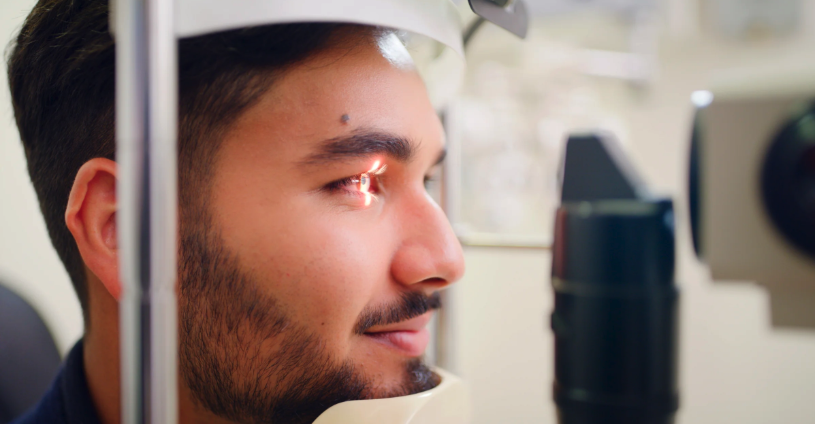
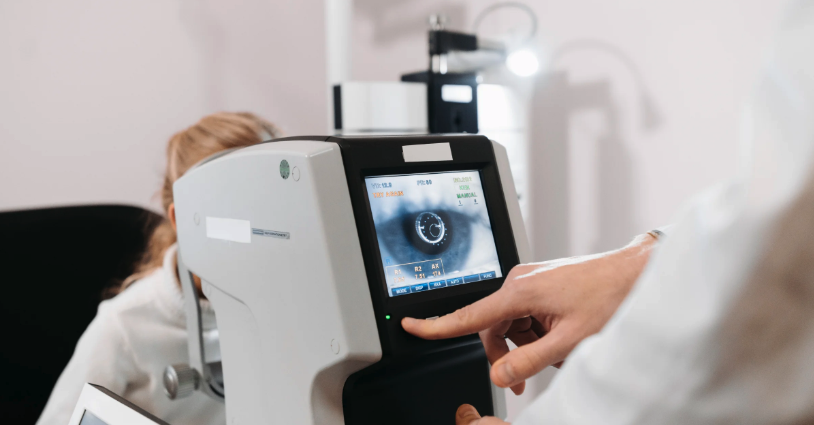
Keratoconus cannot be diagnosed through a standard vision test alone. Specialized eye examinations are required. An ophthalmologist will typically begin with a detailed medical history and a slit-lamp eye examination. Corneal imaging and corneal thickness measurements are then performed to create a detailed 3D map of the cornea. This allows accurate detection of thinning and irregular curvature, even in the earliest stages.
Treatment Options for Keratoconus
Treatment depends on the severity and progression of the condition.
- Eyeglasses or Soft Contact Lenses: Suitable for mild or early-stage keratoconus.
- Rigid Gas Permeable (RGP) Contact Lenses: These lenses help maintain the cornea’s shape and improve visual clarity.
- Corneal Cross-Linking: A treatment using UV light and vitamin B2 to strengthen corneal collagen fibers and slow disease progression.
- Corneal Ring Implant Surgery: Small ring implants may be inserted into the cornea to improve its shape.
- Corneal Transplant Surgery: In severe cases or when scarring occurs, a corneal transplant from a donor may be necessary.
Prevention and Eye Care Tips
- Avoid Rubbing Your Eyes: If you experience itchy eyes due to allergies or dry eyes, use cold compresses or consult an ophthalmologist for proper treatment instead.
- Monitor Vision Changes: Rapid changes in prescription should be evaluated promptly.
- Wear Sunglasses: UV protection may help reduce collagen damage in the cornea.
- Rest Your Eyes Regularly: Avoid prolonged screen time that may lead to eye fatigue and rubbing.
FAQs About Keratoconus
Can keratoconus be completely cured?
Currently, no treatment restores the cornea to a perfectly normal condition. Treatment focuses on slowing progression and improving vision as much as possible.
Why does frequent eye rubbing increase the risk?
Forceful rubbing damages the collagen fibers in the cornea. Over time, the cornea loses structural strength and begins to bulge outward.
Should people considering eye surgery be screened for keratoconus first?
Yes. Hidden corneal abnormalities should always be evaluated before procedures such as double eyelid surgery or other eye-related surgeries to ensure maximum safety and proper treatment planning.
Summary
Keratoconus is more than just ordinary nearsightedness or astigmatism. It is a structural disorder of the cornea that requires careful monitoring and specialized treatment. Early diagnosis and proper management can help preserve vision and maintain quality of life. For anyone concerned about eye health or looking for a trusted eye clinic, Sky Clinic provides specialized eye care and cosmetic eyelid procedures performed by experienced ophthalmologists to help keep your eyes healthy, bright, and seeing clearly.
Source : -