


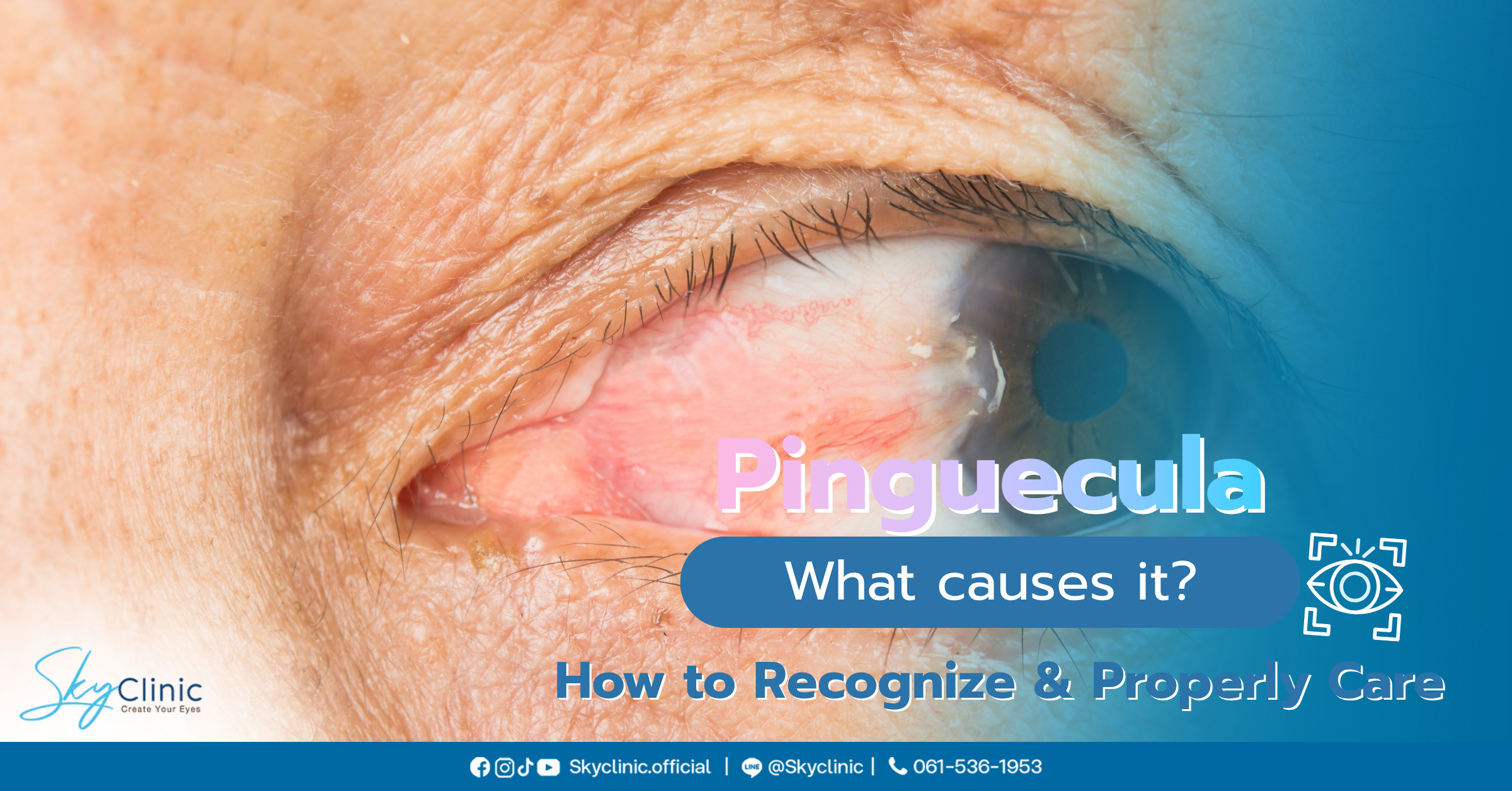
Pinguecula: Symptoms and What Treatment Options Are Available




The eyes are important organs that are exposed to environmental factors every day, including bright sunlight, dust, smoke, and wind. These factors can trigger various eye conditions. Many people may have noticed small raised bumps on the white part of the eye and wondered what they are. These symptoms may be a sign of pinguecula. If left untreated without proper care, it may affect daily life. This article will take an in-depth look at the causes of pinguecula and appropriate ways to manage it.
What Is Pinguecula?
Pinguecula is a degenerative change of the conjunctiva triggered by external environmental factors. This causes proteins, fats, and calcium to accumulate, forming a small yellowish raised spot on the white part of the eye near the cornea. It is more commonly found near the inner corner of the eye than the outer corner. This condition is not a dangerous tumor and does not grow onto the cornea. However, if irritation persists, it may cause eye inflammation and persistent eye discomfort.
Symptoms of Pinguecula
As the conjunctiva begins to change, various warning signs may become more noticeable. The severity of symptoms can vary from person to person. By observing the early symptoms of pinguecula, you can better manage the condition. Common symptoms include:
Excessive tearing due to eye irritation
A constant sensation of having dust or sand trapped in the eyes
Red, swollen, itchy eyes with persistent irritation
Small, raised yellowish bumps or spots on the white part of the eye, which may occur in one or both eyes
Dry eyes or pain around the eyes
What Causes Pinguecula?
The main factors that contribute to the development of raised spots on the white part of the eye are related to daily lifestyle habits and environmental conditions. This condition is considered one of the common eye diseases in older adults, similar to other eye conditions, but it can occur at any age if the following risk factors are present:
Metal welders who are exposed to heat and intense light
Spending prolonged periods in high-temperature, hot, and humid environments
Unavoidable exposure to air pollution, dust, and toxic fumes
People with chronic dry eyes, causing the conjunctiva to lack moisture
Construction workers or people who work outdoors and are regularly exposed to strong sunlight
Excessive and continuous use of mobile phones and computer screens
Exposure to strong winds or regularly engaging in outdoor activities
Gem cutters who work around dust particles and intense light for extended periods
Increasing age, particularly from 40 years onward, which may cause the collagen in the conjunctiva to begin deteriorating
How Is Pinguecula Treated?

There are several approaches to managing raised spots on the conjunctiva, depending on the severity of the symptoms. Many people may look for natural ways to treat pinguecula by avoiding triggers, but medically, there are also treatment and care options that can help relieve symptoms, including:
Using steroid eye drops as recommended by a doctor to help reduce eye redness and swelling
If medication is ineffective, or if the growth affects appearance or vision, a doctor may consider surgical removal, although there is a possibility of recurrence
Taking anti-inflammatory medication to help relieve pain and reduce eye discomfort
Using artificial tears or eye ointments containing Tetrahydrozoline and Antazoline to help maintain eye moisture and reduce eye irritation
Potential Complications of Pinguecula
If the eyes become dry or are frequently rubbed, this may lead to inflammation, causing redness and swelling. These symptoms can usually be relieved with artificial tears. However, prolonged exposure to UV rays or accumulated exposure to chemicals may cause the growth to progress into a pterygium that extends onto the cornea. This may affect the cornea and lead to astigmatism, double vision, or impaired vision, similar to the risks associated with glaucoma and cataracts. If the condition becomes this severe, surgical removal may be required.
Pinguecula Examination
To diagnose abnormalities of the conjunctiva, an ophthalmologist will first perform a preliminary eye health assessment before using a specialized tool such as a high-magnification slit-lamp microscope. This instrument projects a narrow, bright beam of light onto the eye, allowing the doctor to closely examine the characteristics of the raised spot. This helps distinguish pinguecula from other eye conditions and allows for a more appropriate treatment plan based on the specific problem.
How to Prevent Pinguecula
Protecting the eyes from premature degeneration is important for preventing conjunctival inflammation and raised spots on the white part of the eye. Making small changes to daily habits can help maintain healthy eyes. The following guidelines can help:
Starting at age 40, have a comprehensive eye examination regularly every year.
Try to reduce prolonged exposure to dust, smoke, extremely hot weather, and intense sunlight.
Wear sunglasses that provide UVA and UVB protection, as well as a wide-brimmed hat when exposed to sunlight.
Avoid rubbing your eyes, and wash your hands regularly to keep them clean.
If you notice any abnormalities in your eyes, consult a doctor promptly and avoid self-medicating.
If you need to work in an environment with dust or chemicals, wear safety glasses to protect your eyes from foreign particles.
If you work in front of a screen, maintain an appropriate viewing distance and practice blinking frequently every 30 seconds.
Avoid sitting in a position where air from an air conditioner blows directly onto your face.
Use artificial tears regularly when you begin to feel that your eyes are dry or lack moisture.
Consult Sky Clinic for Eyelid Surgery and Endoscopic Brow Lift Techniques
In addition to taking care of eye health and managing various eye conditions, people with deep forehead wrinkles or a short distance between the eyes and eyebrows, which causes drooping eyelids that obstruct vision, can consider Sky Clinic’s eye-shaping and upper-face lifting services. The Endobrow Lift, using an endoscopic brow lift technique, helps lift and tighten the forehead and eyebrows and may be an option for those who are interested.
Frequently Asked Questions About Pinguecula
Eye abnormalities often cause concern, especially when yellowish raised spots appear on the white part of the eye. We have compiled frequently asked questions about the condition, its progression, and treatment options to help address common concerns and provide a better understanding of how to care for your eyes safely.
Can Pinguecula Go Away on Its Own?
This growth on the white part of the eye cannot shrink or disappear naturally on its own. However, with proper eye care and protection, as well as by avoiding triggers, inflammation and eye irritation can subside and become less bothersome in daily life.
What Is the Difference Between Pinguecula and Pterygium?
The key differences are their location and size. Pinguecula appears as a raised spot on the white part of the eye. However, if it is continuously irritated and the growth progresses into a tissue-like layer that extends over the cornea, it is referred to as a pterygium, which may affect vision.
Does Pinguecula Always Require Surgery?
Surgery is not always necessary. In cases where symptoms are mild, a doctor may recommend using eye drops and making lifestyle adjustments. Surgical removal is considered only when the growth causes chronic inflammation, obstructs vision, or affects confidence in one’s appearance.
Summary

The appearance of a yellowish raised spot on the white part of the eye is a warning sign that the eyes may be exposed to excessive pollution and irritants. Early prevention by wearing sunglasses and taking regular breaks to rest the eyes is therefore important. If inflammation occurs, you should consult a doctor for a proper evaluation. However, if you are looking for an eye surgery clinic to address other eyelid concerns, you can consult an ophthalmologist at Sky Clinic, which offers Double Eyelid Surgery, Medial Epicanthoplasty, Ptosis Correction, Subbrow Lift, Under-Eye Bag Removal Surgery, and Endoscopic Brow Lift Surgery for treatment suited to your concerns.
Source : -