


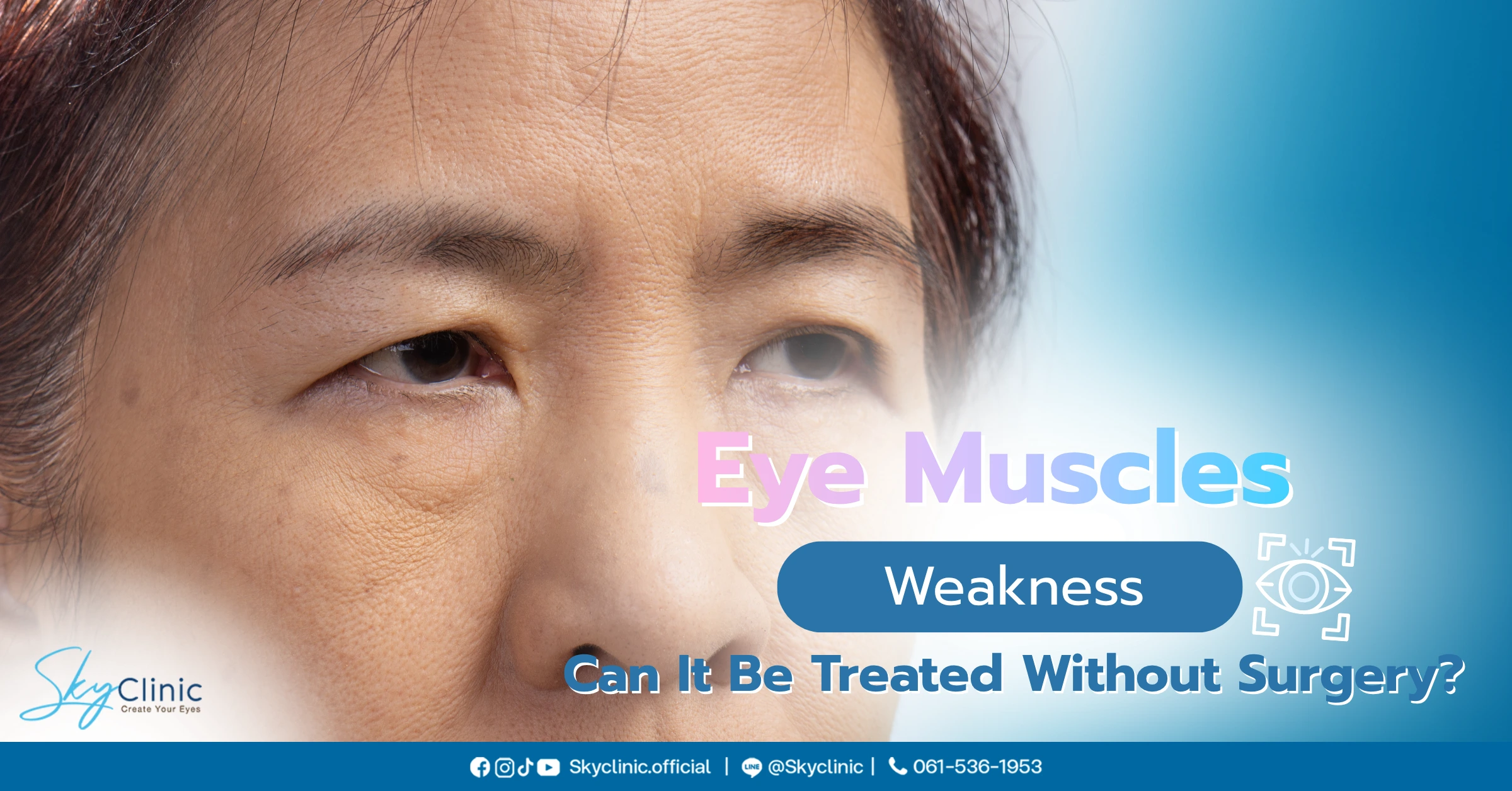
Can Ptosis Be Treated Without Surgery and What Are the Options?




Drooping eyelids that make the eyes look sleepy or prevent them from opening fully can be a concern for some people. When this condition occurs, a common question is whether ptosis can be treated without surgery and what treatment options are available for those who wish to avoid surgery. This article explores the causes, assessment methods, and ways to address different types of drooping eyelid concerns, helping you better understand the condition and consider appropriate eye care before deciding on a treatment option.
Can Ptosis Really Be Treated Without Surgery?
Whether ptosis can be treated without surgery depends on the underlying cause. If the problem is caused by the structure of the eyelid or age-related changes, a procedure may be difficult to avoid. However, if drooping eyelids are caused by a neurological condition, myasthenia gravis (MG), or the effects of certain medications, non-surgical medical treatment may help improve the symptoms. An assessment by an ophthalmologist is therefore the most important first step.
Non-Surgical Treatment Options for Ptosis
When an ophthalmologist determines that the problem is not directly caused by the eye's structure, there may be a wider range of treatment approaches. These approaches focus on addressing the factors causing the symptoms, with the following treatment options aimed at helping restore eyelid function and reduce the impact on daily life.
Medication for Ptosis Caused by Certain Medical Conditions
For people with drooping eyelids caused by myasthenia gravis (MG) or problems with nerve signal transmission, an ophthalmologist may consider medication to help improve communication between the nerves and muscles. These medications help enhance neurotransmitter activity, allowing the eyelids to move and open more fully. Careful dose adjustment and close follow-up are essential to help restore the function of the muscles around the eyes as close to normal as possible without requiring a procedure.
Physical Therapy and Eye Muscle Exercises
Physical therapy or eye exercises may be helpful in some cases where symptoms are mild. Practicing eyelid movements as recommended by an ophthalmologist may help maintain eyelid movement and function in some cases. Although this approach may not permanently correct structural eyelid problems, it may help slow deterioration and relieve eye fatigue caused by prolonged focusing. Performing these exercises regularly alongside the primary treatment may help support the recovery process.
Treating the Underlying Condition
If drooping eyelids are a secondary effect of other medical conditions, such as diabetes, thyroid disease, or cerebrovascular disorders, treatment should begin by managing those underlying conditions. As blood sugar levels or hormones return to a normal balance, complications affecting the ability to open the eyes may gradually improve. Taking care of your overall health and taking prescribed medications as directed can therefore help support better eye function over time.
Self-Care to Reduce Symptoms and Slow Progression
Adjusting daily habits can help support overall eye health. You should limit prolonged use of computers or mobile phones to prevent eye strain that may worsen drooping eyelid symptoms. Taking regular breaks, applying warm compresses, and getting enough sleep can help the muscles around the eyes relax and recover. Although these changes are basic self-care measures, they may help reduce the severity of symptoms in the long term.
What Happens If Ptosis Is Left Untreated?

Leaving ptosis untreated for a long time may affect confidence in your appearance and, depending on its cause and severity, may also affect vision or daily activities. Understanding the long-term effects can help highlight the importance of consulting an ophthalmologist. The potential effects include the following.
Reduced Vision and Limited Visual Function
When drooping eyelids cover part of the pupil, the amount of light entering the eye and the field of vision may be reduced, making it more difficult to see clearly, particularly in the upper field of view. Depth perception may also be affected, which can impact daily activities such as driving, reading, or walking up and down stairs, and may increase the risk of accidents due to impaired vision.
Forehead Pain from Constantly Raising the Eyebrows to Compensate
When the eyes cannot open fully as normal, the body may compensate by using the forehead muscles to raise the eyebrows and eyelids. Continuously raising the eyebrows throughout the day can cause persistent tension in the forehead, leading to headaches, discomfort around the eyes, and premature deep forehead lines and wrinkles. These effects can be bothersome and significantly affect quality of life.
Children at Risk of Amblyopia and Abnormal Visual Development
In cases where drooping eyelids occur in young children from birth, if the eyelid completely covers the pupil, the brain may not receive adequate visual signals from that eye, leading to amblyopia (lazy eye), which can interfere with normal visual development. If significant visual obstruction is not assessed and appropriately managed during the critical period of visual development, amblyopia may persist and result in reduced vision in the affected eye.
May Be a Sign of an Underlying Condition That Requires Treatment
Sudden or intermittent drooping of the eyelids may not simply be a structural problem caused by sagging, but could be associated with conditions affecting the nervous system, including stroke or other neurological disorders. Leaving the condition untreated under the assumption that it is only a minor abnormality may result in a missed opportunity to detect an underlying condition. These conditions require prompt diagnosis and treatment.
Ptosis Treatment at Sky Clinic
Choosing an Eyelid Surgery Clinic to address eyelid concerns requires careful consideration. Sky Clinic is a medical clinic operated by ophthalmologists with an in-depth understanding of eye anatomy. We focus on thoroughly assessing the underlying cause before developing a treatment plan, whether the ptosis is caused by the nervous system or structural changes. We provide individualized approaches to ptosis correction and also offer the Endobrow Lift technique for patients with associated brow drooping, based on an individual assessment of their needs.
Frequently Asked Questions About Ptosis
Understanding drooping eyelid concerns often raises many questions, whether about treatment options or how they differ from other eye conditions. We have compiled frequently asked questions from patients, along with general answers to provide helpful information before consulting an ophthalmologist.
How Much Can Non-Surgical Treatment Improve Ptosis Symptoms?
If the cause is myasthenia gravis (MG), medication may help the eyelids open more fully and help you return to your normal daily activities. However, if the condition is caused by muscle atrophy or sagging eyelid structures, medication or physical therapy may not provide noticeable results, and a procedure may also be required.
How Is Ptosis Different from Age-Related Drooping Eyelids?
Ptosis occurs when the muscle responsible for lifting the eyelid is weakened or impaired, or when there is a problem with the nervous system, making it difficult to open the eyes. In contrast, age-related drooping eyelids are caused by excess skin sagging over the eyes, while the underlying muscle continues to function normally.
When Should You See a Doctor for Ptosis Symptoms?
You should see an ophthalmologist immediately if you experience sudden drooping of the eyelid, an inability to open the eye, double vision, or other accompanying symptoms such as severe headaches or an inability to move the muscles on one side of your face, as these may be signs of a neurological condition that requires urgent evaluation.
Summary

Accurately identifying the underlying cause is essential when addressing drooping eyelid concerns. In some cases, medication or lifestyle adjustments may help without requiring surgery, whereas a procedure may be appropriate if the condition is caused by structural changes in the eyes. Consulting an ophthalmologist can help determine an approach that is suited to your eye condition. You can consult an ophthalmologist at Sky Clinic, which offers Double Eyelid Surgery, Medial Epicanthoplasty, Ptosis Correction, Subbrow Lift, Under-Eye Bag Removal Surgery, and Endoscopic Brow Lift Surgery using the Endobrow Lift technique, to receive treatment suited to your concerns.
Source : -