


What Are Clam-Shell Eyelids, What Causes Them, and How Can They Be Corrected?




Many people become concerned when they develop “clam-shell eyelids” after double eyelid surgery. They may feel anxious and begin searching for ways to correct the condition, but are often unsure where to start. Clam-shell eyelids can result from several factors, including improper surgical techniques, an eyelid design that is not well-suited to the individual's facial anatomy, or abnormal scar formation. Understanding the underlying cause is essential for selecting the most appropriate treatment. Let’s take a closer look at the causes and available treatment options.
What Are Clam-Shell Eyelids?
Clam-shell eyelids are a condition in which the double eyelid crease appears overly prominent or everted, giving it a clamshell-like appearance. This may occur when the double eyelid crease is created too high or too deep, or when the fixation technique is not well-suited to the patient's natural eyelid anatomy. As a result, an imbalance between the eyelid skin and the underlying soft tissues may develop, causing the eyelid crease to appear unnatural. In some cases, this condition may also cause discomfort when opening the eyes and may affect a person's confidence in their appearance.
Characteristics of Clam-Shell Eyelids
The most noticeable characteristic of clamshell eyelids is a double eyelid crease that appears overly elevated and curves outward, giving it a clamshell-like appearance. This condition is often caused by an imbalance between the surgically created eyelid crease and the patient's natural eyelid anatomy, resulting in an unnatural eversion or fullness of the upper eyelid. In some cases, patients may experience a sensation of tightness or heaviness around the eyelids, and opening the eyes may feel less comfortable. In more severe cases, the condition may partially obstruct the visual field. In addition, clamshell eyelids can make eye makeup application more challenging, particularly when applying eyeliner or wearing false eyelashes.
Causes of Clam-Shell Eyelids
Clam-shell eyelids can develop for a variety of reasons, most commonly due to inappropriate double eyelid surgery techniques or an eyelid design that is not well-suited to the individual's facial anatomy. Understanding the underlying cause is important for selecting the most appropriate treatment. Let’s take a closer look at some of the most common causes.
Large Scar Formation
Abnormal scar formation may occur after double eyelid surgery in some patients and, in certain cases, can contribute to hypertrophic or keloid scar formation. These scars may place tension on the surrounding eyelid tissues, potentially resulting in an uneven eyelid crease, fullness, or asymmetry. Depending on the type and severity of the scar, treatment options such as steroid injections may help improve the appearance of hypertrophic or keloid scars. However, improvement often requires time and, in some cases, multiple treatment sessions.
Everted Eyelid Crease or Outward-Turned Eyelid Appearance
The most common cause of clamshell eyelids is excessive fixation of the double eyelid crease or placement of the crease too high, making it disproportionate to the patient's natural eyelid anatomy. This creates excessive tension on the eyelid tissues, causing the eyelid crease to appear everted and unnatural. In addition to affecting the appearance of the eyes, some patients may experience a sensation of tightness or discomfort when opening their eyes. In more severe cases, the condition may partially obstruct the visual field.
Eyelid Crease Appears Too Large or Overly Prominent
Improper preoperative assessment and eyelid crease design, particularly creating a crease that is too high, can result in proportions that are not harmonious with the natural eye anatomy. This may cause the eyelid crease to appear excessively large, thick, and unnatural. In some cases, it can also lead to eyelid eversion, where the eyelid turns outward and creates an unnatural appearance.
Choosing an Eyelid Design That Does Not Suit Your Natural Eye Structure
Choosing an eyelid design that does not suit the natural eye structure is a major cause. For example, people with small eyes, droopy eyelids, or excess eyelid fat who choose a Western-style big eyelid crease may develop an imbalance, leading to clamshell eyelids.
Non-Surgical Correction Methods
For those with mild clamshell eyelids, non-surgical correction methods may be considered first. These include using makeup techniques to create a more balanced eye appearance or applying eyelid tape to adjust the eyelid crease. However, these methods typically provide limited improvement and are considered temporary solutions.
Medical Treatment Options
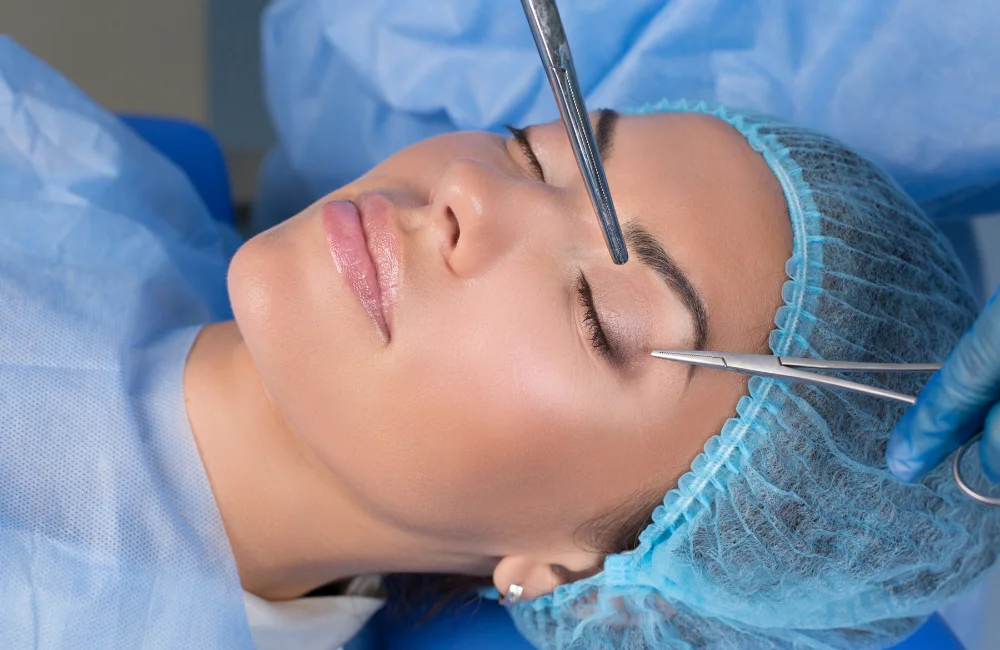
There are several medical treatment options for correcting clamshell eyelids, depending on the underlying cause and severity of the condition. In some cases, a combination of treatments may be required to achieve the best possible outcome. The most appropriate treatment should be determined through consultation with a qualified specialist, who can evaluate the condition and develop a personalised treatment plan. Let’s explore the available medical treatment options.
Botox and Filler Injections
Botulinum toxin (Botox) injections may help improve muscle balance in selected cases, while filler injections may help restore volume and improve the overall balance and contour of the upper eyelid. Both treatments may provide temporary improvement in carefully selected patients, although repeat treatments may be necessary to maintain the results.
Fat-Dissolving Injections
This treatment is suitable for individuals with excessive fat accumulation in the eyelid area. Fat-dissolving injections can help reduce fat and create a slimmer eyelid contour. However, the procedure must be performed with caution and only by a qualified medical professional.
Revision Surgery
Revision surgery is the most effective treatment option for achieving long-lasting results. The surgeon will reconstruct the eyelid crease to better match the patient's natural eyelid anatomy, which may involve scar revision, repositioning the eyelid crease, or removing or repositioning excess fat, depending on the underlying cause. Choosing a surgeon with specialised expertise is essential for achieving the best possible outcome in revision surgery.
Pre- and Post-Operative Care for Clam-Shell Eyelid Revision Surgery
Achieving the best possible results from clamshell eyelid revision surgery depends not only on the surgeon’s expertise but also on proper patient care before and after surgery. Adequate preoperative preparation and careful postoperative care are essential for minimising the risk of complications and promoting optimal healing.
Preparing for Clam-Shell Eyelid Revision Surgery
Before undergoing clamshell eyelid revision surgery, patients should prepare both physically and mentally to help ensure a smooth procedure and reduce the risk of excessive bruising or bleeding. It is important to follow the surgeon’s instructions carefully. The following guidelines can help prepare the body for surgery.
Avoid certain medications and supplements: Blood-thinning medications, NSAID pain relievers (such as aspirin), vitamin E, fish oil, and herbal supplements should be discontinued at least 2 weeks before surgery to reduce the risk of excessive bleeding during the procedure.
Avoid smoking and alcohol: Smoking and alcoholic beverages should be avoided for at least 1–2 weeks before and after surgery, as nicotine and alcohol can impair blood circulation, slow wound healing, and increase the risk of infection.
Inform your surgeon about your medical history: Be sure to provide detailed information about any underlying medical conditions, allergies to medications or foods, regular medications you take, and any previous eyelid surgeries to help ensure a safe and effective treatment plan.
Prepare properly on the day of surgery: Get adequate rest the night before, shower and wash your hair thoroughly, and wear loose, comfortable clothing that is easy to remove, such as a button-front shirt. You should also avoid wearing makeup, applying facial skincare products, and wearing contact lenses on the day of surgery.
Post-Operative Care Following Clam-Shell Eyelid Revision Surgery
After surgery, proper postoperative care during the recovery period is essential for promoting optimal healing, reducing swelling and bruising, and preventing infection. Good postoperative care also helps the revised eyelid crease heal more smoothly and achieve a more natural appearance. The following postoperative care recommendations should be followed carefully.
Apply cold and warm compresses: During the first 48–72 hours after surgery, apply cold compresses regularly to help constrict blood vessels and reduce swelling. After this period, switch to warm compresses to help improve blood circulation and promote faster healing.
Keep the incision clean: Gently clean the surgical area with a cotton swab moistened with normal saline. Avoid getting the incision directly wet until the stitches are removed to help prevent inflammation and infection.
Sleep with your head elevated: For the first 1–2 weeks, sleep with your head elevated higher than usual and sleep on your back. This helps reduce fluid accumulation around the eyelids and minimises swelling.
Avoid activities that may affect the eyes: Refrain from strenuous exercise, rubbing your eyes, wearing eye makeup, and using contact lenses. When going outdoors, wear sunglasses to protect the healing area from dust and sunlight until the incision has fully healed.
How Much Does Clam-Shell Eyelid Revision Surgery Cost?
The cost of correcting clamshell eyelids varies from person to person, depending on the severity of the condition, the surgical technique used, and the complexity of the revision procedure. In general, revision surgery is more expensive than primary double eyelid surgery because it requires a high level of surgical expertise and experience to achieve safe, functional, and natural-looking results. Therefore, patients are advised to consult with a qualified surgeon for a comprehensive evaluation and an accurate cost estimate based on their individual condition.
Why Choose Sky Clinic for Clam-Shell Eyelid Revision Surgery?
Clam-shell eyelid revision surgery at Sky Clinic is performed by a team of experienced specialists with expertise in managing complex eyelid concerns. We pay close attention to every step of the treatment process, from thoroughly assessing each patient's eyelid anatomy and designing a new eyelid crease that complements the individual's facial proportions to selecting the most appropriate surgical technique for each case. With advanced medical equipment and fully equipped operating rooms that meet high safety standards, we are committed to providing safe, personalised care and achieving natural-looking results.
Clam-Shell Eyelid Revision Surgery Reviews at Sky Clinic
The results of the clamshell eyelid revision surgery at Sky Clinic have been well received by many patients. Many have reported increased confidence with eyelid creases that appear more natural and no longer look overly prominent or thick. Before-and-after photos may help you better understand the potential outcomes of revision surgery and provide examples of treatment results achieved at our clinic.
Frequently Asked Questions About Clam-Shell Eyelids
We have compiled frequently asked questions about clamshell eyelids to clarify doubts and provide basic information for those experiencing this condition and seeking the correct treatment. This will help you gain a clearer understanding before deciding to undergo eyelid structure correction with a specialist.
Do All Clam-Shell Eyelids Require Revision Surgery?
Not all cases require revision surgery. Treatment depends on the severity and underlying cause of the problem. In mild cases, where the deformity is minimal and does not significantly affect eyelid function or appearance, a doctor may recommend conservative management or close observation. However, if the condition is caused by improper eyelid crease fixation, excessive scar tissue, or an overly high eyelid crease, revision surgery to reconstruct the eyelid structure is generally considered the most effective treatment.
Can Clam-Shell Eyelids Correct Themselves?
Self-correction of clamshell eyelids is difficult and generally provides only temporary improvement. For example, using eyelid tape or makeup to conceal the appearance cannot correct the underlying structural problem. Attempting to massage or manipulate the eyelids improperly may also irritate the surrounding tissues and potentially worsen the condition. Therefore, it is recommended to consult a qualified specialist for appropriate treatment that addresses the underlying cause safely and effectively.
Why Do Clam-Shell Eyelids Make the Face Look Older?
Clam-shell eyelids can make the face appear older because the thick, everted eyelid crease may cause the eyes to look heavy, droopy, and tired, reducing their natural brightness and creating a less refreshed appearance. In addition, an excessively high eyelid crease may alter the overall balance and harmony of the upper eyelid, making the facial expression appear less natural. Adjusting the eyelid crease to a more balanced proportion may help restore a more youthful and natural appearance.
Clam-shell eyelids are a treatable condition, but they require accurate diagnosis and appropriate treatment. At Sky Clinic, you can consult with specialist doctors experienced in Double Eyelid Surgery, Medial Epicanthoplasty, Ptosis Correction, Subbrow Lift, and Lower Eyelid Fat Removal Surgery to receive a personalised treatment plan tailored to your individual condition.
Source : -