


What Is Thyroid Eye Disease? What Are the Symptoms and Treatment Options?




Thyroid: Symptoms, Warning Signs, Risks, Prevention, and Treatment Options
Hyperthyroidism not only affects the body’s metabolism but also causes heart palpitations. The eyes are one of the organs directly affected by the disease, which can lead to loss of confidence and, in severe cases, permanent vision problems. If you begin noticing that your eyes appear unusually enlarged or experience chronic eye irritation, these may be warning signs of Thyroid Eye Disease that require evaluation by a specialized ophthalmologist to prevent long-term damage.
What Is Thyroid Eye Disease?
Thyroid Eye Disease is an autoimmune condition that affects the tissues surrounding the eyes. The immune system mistakenly produces antibodies that trigger inflammation and swelling of the eye muscles and fat behind the eye socket. This condition is commonly associated with Graves' disease, although it can also occur in people with normal thyroid blood test results. As the tissues behind the eyes expand within the limited space of the eye socket, the eyeballs are pushed forward, causing bulging eyes and long-term visual complications.
Symptoms of Thyroid Eye Disease
The symptoms of thyroid-related eye disease may include:
- Bulging Eyes (Proptosis) – The eyes protrude forward more than normal and may affect one or both eyes.
- Eyelid Retraction – The upper eyelids pull upward, exposing more of the white part of the eyes and creating a constantly startled or intense appearance.
- Redness and Swelling – Red, swollen, and irritated eyes caused by inflammation.
- Double Vision – Swollen eye muscles can restrict eye movement, causing misalignment and double vision.
- Severe Dry Eyes – Incomplete eyelid closure leaves the cornea exposed to air continuously.
- Blurred Vision – In severe cases, enlarged tissues may compress the optic nerve and impair vision.
Causes of Thyroid Eye Disease
Several factors may contribute to or worsen the condition:
- Immune System Dysfunction – The immune system mistakenly attacks tissues around the eyes.
- Smoking – The most significant risk factor, increasing disease severity by 2–3 times and making treatment more difficult.
- Poor Thyroid Hormone Control – Unstable thyroid hormone levels can worsen inflammation in the eye socket.
- Genetics and Gender – More common in women, especially between the ages of 40–60.
- Stress and Lack of Sleep – Chronic stress and inadequate rest may aggravate symptoms.
Is Thyroid Eye Disease Dangerous?
Many people wonder whether thyroid eye disease is dangerous. The answer is yes. If left untreated, it can lead to permanent vision loss. In the early stages, symptoms may only affect appearance or cause discomfort such as eye irritation and frequent rubbing. However, in severe cases, swollen eye muscles can compress the optic nerve, leading to blurred vision, reduced visual fields, and even blindness. Additionally, if the eyelids cannot fully close, the cornea may become severely dry, inflamed, or infected, potentially resulting in permanent eye damage. Early diagnosis and treatment by an experienced ophthalmologist are therefore essential.
Treatment Options for Thyroid Eye Disease
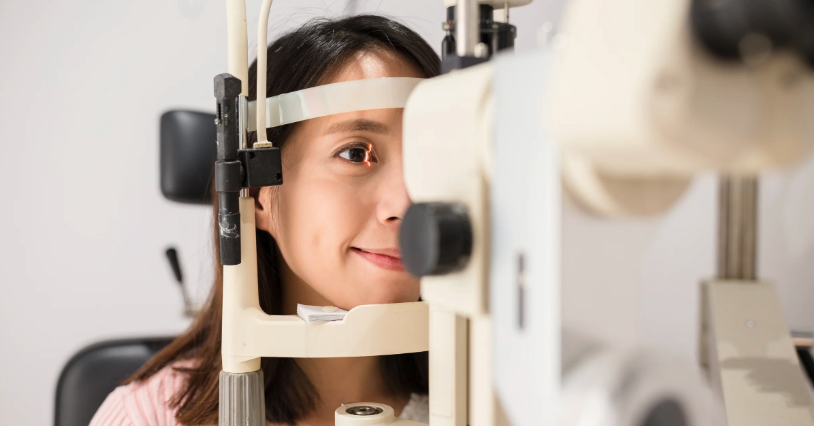
Treatment depends on whether the disease is in the active inflammatory phase or the stable phase.
- Thyroid Hormone Control: Managing the underlying thyroid condition with an endocrinologist is essential to stabilize hormone levels.
- Steroid Medication: Steroids may be prescribed to reduce inflammation and swelling during the active stage of the disease.
- Orbital Radiation Therapy: Used in moderate-to-severe cases to suppress inflammatory cells within the eye socket.
- Orbital Decompression Surgery: Surgery may be performed to remove bone or excess fat behind the eyes, allowing the eyes to move back into a more natural position.
- Eye Muscle and Eyelid Surgery: Performed after the disease stabilizes to correct double vision and eyelid retraction.
Prevention of Thyroid Eye Disease
Although the disease cannot always be completely prevented, its severity can often be reduced through proper care:
- Stop smoking completely
- Monitor thyroid hormone levels regularly
- Take prescribed medications consistently
- Use artificial tears to prevent dryness and corneal damage
- Sleep with the head elevated to reduce morning swelling
- Consider selenium supplements under medical supervision, as studies suggest benefits in mild cases
FAQs About Thyroid Eye Disease
Can thyroid eye disease occur even if thyroid hormone levels are normal?
Yes. Thyroid eye disease is primarily an autoimmune condition. Even when thyroid hormone levels are well controlled, abnormal antibodies may continue affecting the tissues around the eyes.
Will bulging eyes improve on their own once the disease becomes inactive?
Complete spontaneous recovery is uncommon. Once scar tissue develops inside the eye socket, the bulging appearance often becomes permanent. Symptoms may improve by approximately 30–50%, but surgery is usually required to restore a more natural appearance.
Can I undergo double eyelid surgery if I have thyroid eye disease?
If you have thyroid eye disease or weak eyelid muscles, cosmetic Eyelid Surgery should only be considered after the disease has remained stable for at least 6–12 months. A thorough evaluation by an ophthalmologist is necessary because the orbital anatomy differs from individuals without thyroid eye disease.
Summary
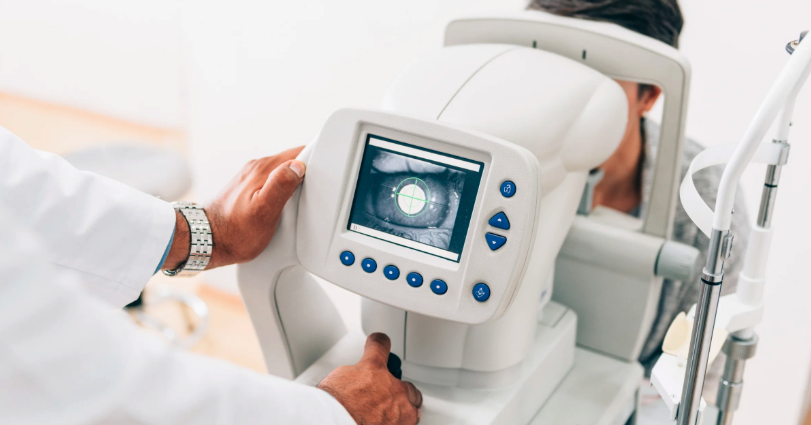
Thyroid eye disease is a serious condition that requires continuous care from a specialized ophthalmologist. Recognizing early symptoms such as bulging eyes, chronic redness, or irritation can significantly reduce the risk of permanent vision loss. Although the condition may affect both physical appearance and emotional well-being, modern treatment options can effectively restore eye function and improve appearance. If you are concerned about thyroid-related bulging eyes or abnormalities around the eyes, Sky Clinic provides specialized care by experienced ophthalmologists in oculoplastic surgery, offering comprehensive treatment from diagnosis and medication to orbital and eyelid corrective surgery tailored to each patient’s needs.
Source : -